
UNLV Eyes Downtown Office Space | Ryan Rose
Related Stories
Nevada State Hits Record Enrollment
Soho Lofts Penthouses Hit Market
The Nevada Board of Regents approved a lease agreement that could give UNLV about 16,000 square feet of space near Las Vegas City Hall. If the deal goes through, the university would plant a real footprint in the downtown civic center area for the first time at this scale.
The agreement is not finished yet. The Las Vegas City Council may take up the item in October, which is the next step before anything becomes official. So this is a real move forward, not a done deal.
For anyone who owns property downtown, rents downtown, or has been waiting years for downtown Las Vegas to feel less empty on a Tuesday afternoon, this is worth watching closely. Universities do not just occupy buildings. They bring daily foot traffic, and daily foot traffic is what turns a district full of buildings into a neighborhood.
What Happened
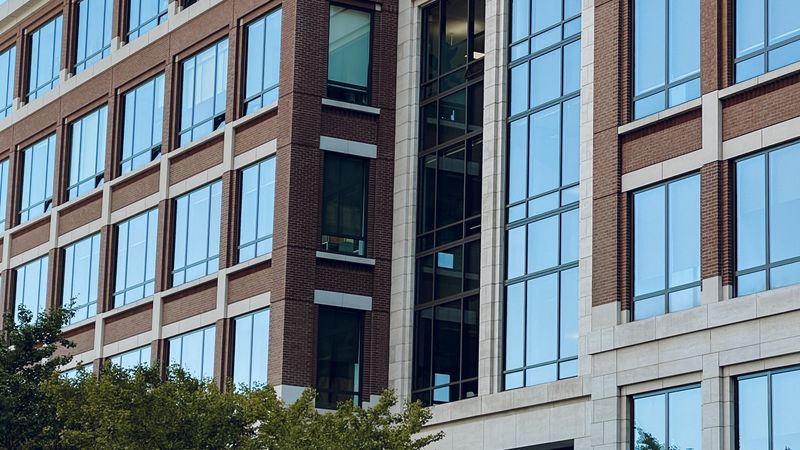
The Nevada Board of Regents, which governs the state's public colleges and universities, signed off on a lease agreement covering roughly 16,000 square feet of office space in downtown Las Vegas. The space sits near Las Vegas City Hall, in the civic center part of downtown.
Regent approval is one half of the equation. Because the City of Las Vegas is involved on the other side of the deal, the Las Vegas City Council is expected to consider the agreement in October. Until that vote happens, the arrangement is approved by one body and pending before another.
The Las Vegas Review-Journal reported the Regents' action on September 3, 2026, describing it as UNLV's next step in acquiring downtown Las Vegas office space. The framing matters. This has been a process, not a single decision, and the university has been working toward a downtown presence for some time.
Sixteen thousand square feet is a meaningful but not enormous amount of space. For comparison, that is roughly the size of a mid-sized corporate office floor. It is enough for administrative offices, meeting rooms, classroom or seminar space, and staff, but it is not a full satellite campus. Think of it as a beachhead rather than a second UNLV.
It also helps to understand why a lease like this needs two approvals. The Board of Regents controls decisions for the Nevada System of Higher Education, so any lease UNLV signs runs through them. When the other party is a city, the city's elected body has to bless it too. That is why one story can contain both an approval and a pending vote without contradicting itself.
What exactly UNLV would put in that space has not been laid out in the reporting available. [NOT VERIFIED: specific programs, departments, or number of students and staff that would use the downtown space.] That detail is likely to surface as the City Council item is prepared and posted, since council agendas usually include more backup material than a Regents summary does.

Why It Matters to Las Vegas Residents
Downtown Las Vegas has a foot traffic problem that has nothing to do with tourists. Fremont Street gets visitors. The civic center area, where City Hall and the courts sit, empties out at five o'clock and on weekends. Restaurants and small businesses in that zone live and die on weekday lunch crowds.
A university presence changes that math. Students and staff show up on different schedules than office workers. They come in the evening for night classes. They come on weekends. They eat, they park, they buy coffee, and they hang around. That is the kind of steady, non-tourist activity that downtown business owners have been asking for.
For condo owners downtown, that matters directly. Downtown Las Vegas has a small but real high-rise and loft market, and the biggest knock on it has always been that the neighborhood does not have enough day-to-day life to support living there without a car. Every institution that adds regular activity chips away at that criticism. It does not fix it overnight, but the direction is right.
For renters, a downtown university footprint could eventually mean more demand for apartments and lofts within walking distance. That cuts both ways. More demand generally means higher rents over time. It also usually means more housing gets built, which is how you keep rents from running away entirely.
Small business owners near City Hall have the most immediate stake. A lunch counter that currently sees a rush from eleven to one and then goes quiet would suddenly have a second wave of customers in the late afternoon and evening. That kind of schedule change is the difference between a restaurant that barely covers rent and one that hires another employee.
For the rest of the valley, this is about what kind of city Las Vegas wants to be. Most major American cities have a downtown university presence. It is one of the standard ingredients of a functioning urban core, along with housing, transit, and public space. Las Vegas has been assembling those pieces slowly, from Symphony Park to the Arts District to the Medical District. Adding UNLV to the civic center is another piece of that puzzle.
Parking is the other piece nobody likes to talk about but everybody feels. Downtown parking is already tight during business hours and around court schedules. Adding a few hundred more people who need to be in the area at various times of day puts pressure on garages and street parking. How the city and the university handle that will shape whether residents in nearby buildings see this as a benefit or an annoyance.
There is also a workforce dimension. Downtown is where a lot of government, legal, and nonprofit work happens in Clark County. A university with space there can build programs around those employers, from internships to continuing education for working professionals who do not want to drive to Maryland Parkway after a full day.
Background and History
UNLV's main campus sits on Maryland Parkway, several miles southeast of downtown. That location has defined the university for decades. It is close to the Strip and to the airport, but it has never been part of the downtown core in any daily sense.
Over the last fifteen years, downtown Las Vegas has been through a slow rebuild. The Smith Center opened in Symphony Park. The Mob Museum moved into the historic 1933 post office and courthouse on Stewart Avenue and has since grown into an expansion of its own. The Arts District went from a handful of galleries to a genuine restaurant and bar destination. Container Park and the Fremont East district brought nightlife east of the casino core.
Housing followed slowly. Projects like Soho Lofts and a handful of other high-rise and mid-rise buildings gave downtown a small residential base. The overall number of downtown residents is still modest compared with peer cities, and that has been the persistent gap.
The Medical District, anchored by the UNLV School of Medicine and area hospitals, has been the biggest institutional bet on the area west of downtown. It showed that putting a university function outside the main campus can reshape a district. A civic center office footprint is a much smaller version of the same idea.
Office demand downtown has also changed since 2020. Remote and hybrid work reduced the number of private companies willing to sign long leases in urban cores across the country, and Las Vegas was not immune. That softness is part of why institutional and government tenants matter more than they used to. When private demand thins out, a stable public tenant on a long lease is exactly what a downtown building owner wants.
City government has been an active partner in all of this. Las Vegas City Hall itself was built downtown in part to anchor activity there, and the city has repeatedly used property deals, parking arrangements, and development agreements to encourage investment near the civic center. A lease involving the city and a state university fits that long-running pattern.

What Happens Next
The immediate item to watch is the Las Vegas City Council agenda in October. Reporting indicates the council may take up the agreement then. City Council agendas are posted publicly ahead of meetings, usually with staff reports and backup documents attached, and that packet is typically where the real details show up. Lease term, rent, build-out responsibilities, and intended use are the kinds of things that appear in council backup and rarely appear in a short news story.
If the council approves it, the next phase is practical. Office space almost always needs work before a new tenant moves in, especially if a university plans to use part of it for instruction rather than pure administration. Tenant improvements, permitting, and furnishing take months. Do not expect students in the building the week after a vote.
If the council does not approve it, or if it gets deferred, that is not unusual either. Public lease agreements get held for more information all the time. A deferral would not mean the idea is dead. It would mean somebody wants more detail before signing.
Longer term, the thing to watch is whether 16,000 square feet is the beginning of something bigger or the whole story. Institutions tend to expand once they establish a presence somewhere. If UNLV finds that downtown programming works, the natural next step is more space, more programs, and more people. If it does not, the lease quietly ends and downtown goes back to what it was.
There is a state budget angle worth keeping in mind as well. Higher education leases cost money, and the Nevada System of Higher Education operates inside a state budget that gets debated every two years. A downtown footprint that produces enrollment, partnerships, or grant activity is easy to defend. One that sits underused is the first thing on the chopping block when budgets tighten. That pressure is usually what determines whether a project like this grows or quietly fades.
Also watch what happens around the site. When an institution commits to a location, nearby property owners and developers pay attention. Announcements about neighboring parcels, parking, and small retail often follow within a year or two of a major tenant landing.
Ryan's Take
I get asked about downtown Las Vegas condos more often than people would guess. The question is almost always some version of the same thing. Is downtown actually going to become a real neighborhood, or is it always going to be a place you visit and then drive home from?
My honest answer has always been that it depends on whether enough day-to-day anchors show up. Restaurants alone do not do it. Bars alone do not do it. You need people who have a reason to be there on a random Wednesday morning and a random Saturday afternoon. Government workers are one anchor. Medical is another. A university is one of the strongest ones, because students and staff are there year-round on schedules that fill in the hours everyone else leaves empty.
The other thing I would say is that downtown Las Vegas rewards patience and punishes hype. People have been promised a downtown renaissance more than once, and some of those promises did not land. What has actually worked has been slow and unglamorous. A museum expands. A restaurant district fills in. A school leases a floor. None of it is dramatic and all of it compounds.
So I read this as a small positive with real long-term meaning. Sixteen thousand square feet will not move downtown condo prices this year. But if it works, and if it grows, it is the kind of thing that eventually shows up in resale values and in how quickly downtown units sell. If you own downtown, I would not sell because of this and I would not buy because of this. I would file it as one more reason the long-term case for that market is getting slightly stronger each year.

What You Can Do
If you want the real details on this deal, watch the City of Las Vegas council agendas in October. Agendas and backup documents are posted online before meetings, and they are free to read. This is where you will find the lease terms, the square footage breakdown, and the intended use. It is also where you can sign up to speak if you have an opinion.
If you own or rent downtown, pay attention to what gets announced near the site over the next year. Institutional tenants tend to attract other tenants. Small retail, coffee, and food service usually follow, and those are the amenities that make a downtown unit easier to live in and easier to sell later.
If you are a downtown business owner, this is worth a phone call. Universities buy catering, printing, furniture, and services, and they place interns. Getting on a vendor list early is a lot easier than getting on it after a hundred other businesses have noticed.
If you have a student in the family, keep an eye on what UNLV eventually schedules downtown. Courses offered in the civic center could be a much shorter drive for people living in the northwest, the east side, or downtown itself than a trip to Maryland Parkway. Convenience changes who can realistically take a class.

And if you are simply curious about whether downtown is a good place to buy, look at the whole picture rather than any single headline. The Mob Museum expansion, the Arts District growth, the Medical District, and now a possible UNLV footprint all point the same direction. None of them alone is a reason to buy. Together they describe a district that is slowly filling in.
Have questions about how this affects your home or neighborhood? Reach out to Ryan Rose or text/call 702-747-5921 anytime.
Sources
Categories
- All Blogs (4792)
- Absentee Owner (1)
- Affordability (3)
- ALIANTE (53)
- Anthem (32)
- Ascension (49)
- Assumable Loan (1)
- Astra (47)
- BLACK MOUNTAIN (55)
- Buyers (20)
- Cadence (17)
- Calico Ridge (50)
- Canyon Fairways (50)
- CANYONS OF SUMMERLIN (50)
- CENTENNIAL HILLS (81)
- Comparisons (47)
- CROSSINGS IN SUMMERLIN (47)
- DESERT SHORES (47)
- Divorce (3)
- Downsizing (13)
- EAGLE HILLS (46)
- Empty Nester (1)
- Enterprise (1)
- EXPIRED LISTINGS (13)
- First Time Homebuyer (4)
- Green Valley (139)
- Henderson (81)
- HORIZONS EDGE (50)
- Housing Market Trends (98)
- Informative (102)
- Inspirada (58)
- Lake Las Vegas (2)
- Lakes Las Vegas (3)
- Las Vegas Real Estate (183)
- Local News (842)
- Luxury (1)
- MacDonald Highlands (88)
- MacDonald Ranch (100)
- Madeira Canyon (93)
- MESQUITE NV (103)
- MOUNTAIN TRAILS (44)
- Mountains Edge (70)
- Naked City (35)
- New Construction (131)
- New Construction Las Vegas (20)
- North Las Vegas (24)
- Northgate (23)
- PALISADES SUMMERLIN (38)
- Probate (25)
- Providence (2)
- Quail Ridge (35)
- QUEENSRIDGE (56)
- Red Rock (1)
- RED ROCK COUNTRY CLUB (60)
- Relocating to Summerlin (204)
- Relocation (44)
- Retired (1)
- Retirement (1)
- Reverence (15)
- RHODES RANCH (64)
- Ridgebrook (40)
- Sellers (210)
- Seven Hills (83)
- Silverado Ranch (1)
- Silverstone Ranch (39)
- SKYE CANYON (100)
- SKYE CANYONE (4)
- Southern Highlands (94)
- Southwest (19)
- SPANISH TRAILS (55)
- SPRING VALLEY (70)
- Summerlin (103)
- Sun City Summerlin (3)
- The Arbors (36)
- The Cliffs (42)
- THE HILLS (45)
- THE PASEOS (52)
- The Pueblos (24)
- THE PUEBLOS OF SUMMERLIN (40)
- THE RIDGES (58)
- THE VISTAS OF SUMMERLIN (45)
- The Willows (59)
- Thoughts on Home Tour (2)
- TOURNAMENT HILLS (47)
- Veterans (3)
- WHITNEY RANCH (55)
- Workers Advantage Program (100)
Recent Posts




GET MORE INFORMATION