
Nevada's 124K Vacant Homes Explained | Ryan Rose
Related Stories
Las Vegas Home Inventory Is Rising
Nevada Foreclosure Rate Explained
Las Vegas Mortgage Rates Hit 6.58%
Nevada had about 123,878 vacant housing units at the end of 2024, and the state's overall vacancy rate ticked down from 9.4 percent to 9.3 percent year over year. That sounds like great news for buyers who are tired of high prices and slim pickings. Here is the catch that matters most: a big empty-home count does not mean more homes you can actually buy.
The figure comes from a new LendingTree study built on U.S. Census Bureau data. Most of those 124,000 vacant homes are not for sale, not for rent, and not going to rescue frustrated house hunters. If you have been waiting for a flood of empty homes to crash prices in Las Vegas, this report is your reality check.

What the Report Actually Found
LendingTree, the online lending marketplace, pulled Census data to count vacant homes in every state. In Nevada, the study found roughly 123,878 vacant housing units as of the end of 2024. That is almost identical to the year before. In 2023, the same source reported 123,945 vacant homes across the state. So the raw number barely moved.
What did move, a little, was the rate. Nevada's overall housing vacancy rate slipped from 9.4 percent in 2023 to 9.3 percent in 2024. That puts Nevada 32nd in the country for share of vacant homes. In other words, Nevada is nowhere near the top of the list. Maine leads the nation at a 20.6 percent vacancy rate, with about 154,717 vacant homes in one small state. Vermont sits at 19 percent and Alaska at 18 percent.
LendingTree chief consumer finance analyst Matt Schulz says Nevada is a special case. "Nevada is a unique case because Las Vegas is unlike almost any other vacation destination," he said. "While many tourist markets rely heavily on vacation homes and short-term rentals, most Vegas visitors stay in casino hotels instead. That means there's likely less demand for vacation rentals than in many other tourist destinations, which may help explain why Nevada ranks relatively low in our report."
The national picture is even bigger and just as easy to misread. There are about 14.5 million vacant homes across the country, or one in 10 of the entire U.S. housing stock. But look at how those homes break down. About 4.7 million are seasonal or recreational properties, like cabins and beach houses. Around 2.6 million are rentals waiting for a tenant. And fewer than 800,000 are actually for sale. So out of 14.5 million empty homes nationwide, only a tiny slice is on the market for a buyer.
That breakdown is the whole ballgame. When you hear a vacancy number, the honest follow-up question is simple. Vacant for whom, and for what reason? A cabin in the mountains that a family uses three weeks a year is counted as vacant. So is a downtown condo that just had a tenant move out last week. So is a house an owner is slowly fixing up before they decide what to do with it. Lumping all of those together into one giant number makes the housing stock look wide open when the for-sale slice is actually thin.

Why It Matters to Las Vegas Residents
If you are shopping for a home in Clark County right now, this is the number that fools people. You hear "124,000 empty homes in Nevada" and you picture block after block of move-in ready houses just waiting for an offer. That picture is wrong. Most of those homes are counted as vacant for reasons that have nothing to do with your home search.
A home can be vacant because it is between renters. It can be a second home someone visits a few weeks a year. It can be tied up in a probate or an estate. It can be under repair, mid-renovation, or waiting on a permit. It can be owned free and clear by someone who simply has no reason to sell. None of those homes show up in your listings feed, and none of them lower the price of the house you want.
This matters because expectations drive decisions. Buyers who believe a wave of empty homes is coming tend to wait. They lowball. They sit out the market hoping prices tumble. Then the wave never arrives, prices hold, and they have lost months or years of building equity. Schulz put it plainly. "For consumers frustrated by today's housing market, these numbers can be confusing. Millions of homes may be classified as vacant, but most aren't realistically available for someone looking to buy."
He went further on why prices stay stubborn. "That helps explain why so many buyers continue to face limited choices and stubbornly high prices, even when it seems like there should be more homes on the market." For Las Vegas families, that is the takeaway. The homes you can truly buy are a small fraction of the scary headline number, and that is why competition and prices have stayed firm even as the empty-home count sits still.
Renters feel this too, just from a different angle. Some of Nevada's vacant units are rentals in between tenants, which is normal and even healthy. A rental market with zero vacancy would mean nowhere to move and landlords holding all the power. A modest vacancy rate gives renters at least some options when a lease ends. So the same statistic that disappoints a would-be buyer can quietly help a renter looking for the next apartment. Context changes everything.
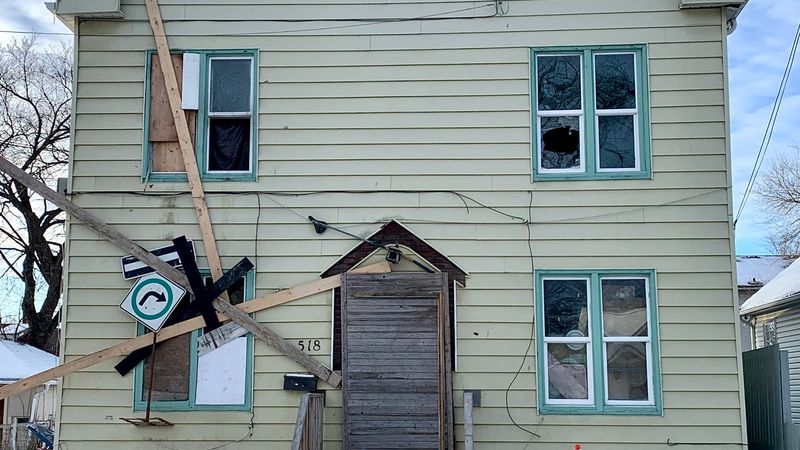
There is also a quality-of-life angle for neighbors. A truly abandoned home, the kind with a broken window and knee-high weeds, drags down a street and worries everyone nearby. But most of Nevada's vacant homes are not that. They are maintained second homes, tidy rentals waiting for a tenant, or houses mid-transition. Understanding that difference keeps people from panicking about their block or their property value based on a statewide headline that does not describe their actual street.
Background and History
Nevada, and Las Vegas in particular, has a long and painful history with vacant homes. During the 2008 housing crash, Southern Nevada became the poster child for foreclosures and abandoned houses. Entire streets in newer suburbs had empty homes with brown lawns and lockboxes on the doors. Back then, vacancy really did mean distressed inventory that hit the market and dragged prices down hard.
Today's vacancy is a completely different animal. The 9.3 percent rate is not a crash signal. It reflects a normal mix of second homes, rentals in turnover, and properties held off the market on purpose. The key change since 2008 is homeowner equity. Nevada owners are sitting on near-record equity, so even when a home sits empty, the owner is under no pressure to dump it at a discount. That is the opposite of the fire-sale conditions that defined the last downturn.
It also helps to see how Nevada compares nationally over time. Vacancies actually fell across the country from 2023 to 2024, with the overall rate dropping about 0.31 percentage points, or roughly 302,000 homes. Wyoming led the decline, followed by North Dakota and Rhode Island. Only the District of Columbia and Oregon saw vacancy rates rise. Nevada's small dip fits right in with a national trend of empty homes slowly getting absorbed, not piling up.
Schulz's point about tourism explains a lot of Nevada's ranking. In most vacation states, tourists rent houses and condos, so those markets carry a huge stock of seasonal and short-term rental homes that sit empty much of the year. Las Vegas works differently. Most visitors stay in casino hotels on or near the Strip, not in rented houses out in the suburbs. That means Southern Nevada has less of the vacation-rental vacancy that pushes states like Maine and Vermont to the top of the list. It is one more reason the Nevada number, while large in raw terms, ranks only 32nd nationally.

What Happens Next
Expect the empty-home myth to keep circling, because the headline number is eye-catching and easy to share. Every time a new vacancy study drops, someone will post that Nevada has 124,000 homes just sitting there. Now you know how to read past it. The question is never how many homes are vacant. The question is how many are actually listed and available to buy.
On that front, there is real, useful movement in Las Vegas that has nothing to do with vacancy stats. Active listings in the valley have been climbing, pushing months of supply toward four months in recent reports. That is genuine inventory a buyer can tour and put an offer on today. So the good news for buyers is real, it just comes from rising for-sale listings, not from empty homes flooding the market.
Watch the two numbers separately going forward. The vacancy rate is a slow-moving Census statistic that tells you about the housing stock overall. Active for-sale inventory, tracked locally month to month, is what actually shapes your leverage, your negotiating room, and the price you pay. Keep your eye on the second one.
It is also worth watching what happens with rentals and second homes over the next year. If more owners of empty rentals decide to sell instead of re-lease, some of those units could shift from the vacant column into the for-sale column, which would help buyers. But that is a slow trickle, not a flood. Nothing in this report suggests a sudden dump of inventory is coming. The steady, unchanged vacant count from 2023 to 2024 is actually a sign of a stable market, not a market about to break.

Ryan's Take
I hear the empty-home argument almost every week from buyers who are waiting on the sidelines. Someone read that Nevada has over 100,000 vacant homes and decided the crash is right around the corner. I get the logic, but the data just does not back it up. When fewer than 800,000 homes are for sale in the entire country, and Nevada's empty homes are mostly rentals, second homes, and properties held on purpose, there is no hidden supply waiting to rescue anyone.
Here is what I tell my clients. Do not shop the headline, shop the actual listings. The homes you can buy in Summerlin, Henderson, Spring Valley, or Mountains Edge are the ones on the market this week, and that number is far smaller than 124,000. The better story for buyers right now is that local for-sale inventory has been rising, which gives you more real choices and a little more room to negotiate. That is where the opportunity lives, not in a vacancy statistic that will not put a key in your hand.
The other thing I want people to hear is that near-record equity changes the whole tone of this market. In 2008, vacant meant desperate. Owners were underwater and forced to sell for whatever they could get. Today most Nevada owners have real equity and real choices, so an empty home usually means an owner who is waiting on their own terms, not one who is about to give a house away. That difference is why I keep telling nervous buyers that this is not 2008 wearing a costume. It is a firm, stable market where the smart move is to focus on the homes you can actually tour and buy.

What You Can Do
If you are thinking about buying, start with the numbers that actually apply to you. Ask your agent for a live look at active listings in your target neighborhoods and price range. That list, not a statewide vacancy figure, tells you how much competition you are up against and how much leverage you really have. Set up alerts so you see new homes the day they hit the market.
If you already own a home and you have been sitting on a vacant property, whether it is an inherited house, a former rental, or a second home, this is a good moment to run the math. With equity near record highs and for-sale supply still limited, a well-priced listing can move. You do not have to leave a home empty and paying taxes and insurance for nothing. A quick market review will show you what your specific property could bring today.
It also pays to separate national noise from local facts. A lot of the scariest housing stories are built on nationwide numbers that do not describe Las Vegas at all. The vacant-home count is a perfect example. It is a real Census figure, but the way it gets shared online turns it into something it is not. When you anchor your decisions to Clark County listings, local months of supply, and your own budget, the headlines lose their power to scare you out of a good move.
And if a scary housing headline ever makes you freeze, bring it to someone who reads this market for a living. Numbers like "124,000 vacant homes" are true and misleading at the same time. The right context turns a confusing statistic into a clear decision, and that is exactly the kind of question worth asking before you buy, sell, or keep waiting.
Have questions about how this affects your home or neighborhood? Reach out to Ryan Rose or text/call 702-747-5921 anytime.
Sources
Categories
- All Blogs (4337)
- Absentee Owner (4)
- Affordability (3)
- ALIANTE (53)
- Anthem (33)
- Ascension (50)
- Assumable Loan (1)
- Astra (50)
- BLACK MOUNTAIN (55)
- Buyers (22)
- Cadence (17)
- Calico Ridge (50)
- CANYONS OF SUMMERLIN (55)
- CENTENNIAL HILLS (81)
- Comparisons (46)
- CROSSINGS IN SUMMERLIN (55)
- DESERT SHORES (47)
- Divorce (3)
- Downsizing (13)
- EAGLE HILLS (55)
- Empty Nester (1)
- Enterprise (1)
- EXPIRED LISTINGS (134)
- First Time Homebuyer (4)
- Green Valley (137)
- Henderson (82)
- HORIZONS EDGE (50)
- Housing Market Trends (99)
- Informative (112)
- Inspirada (56)
- Lake Las Vegas (2)
- Lakes Las Vegas (3)
- Local News (469)
- Luxury (1)
- MacDonald Highlands (88)
- MacDonald Ranch (70)
- Madeira Canyon (91)
- MESQUITE NV (103)
- MOUNTAIN TRAILS (50)
- Mountains Edge (67)
- Naked City (35)
- New Construction (119)
- North Las Vegas (24)
- Northgate (23)
- PALISADES SUMMERLIN (50)
- Probate (28)
- Providence (2)
- Quail Ridge (35)
- QUEENSRIDGE (56)
- Red Rock (1)
- RED ROCK COUNTRY CLUB (60)
- Relocating to Summerlin (207)
- Relocation (45)
- Retired (1)
- Retirement (1)
- Reverence (1)
- RHODES RANCH (63)
- Ridgebrook (40)
- Sellers (253)
- Seven Hills (65)
- Silverado Ranch (1)
- Silverstone Ranch (39)
- SKYE CANYON (100)
- SKYE CANYONE (4)
- Southern Highlands (94)
- Southwest (19)
- SPANISH TRAILS (55)
- SPRING VALLEY (70)
- Summerlin (100)
- Sun City Summerlin (3)
- The Arbors (35)
- The Cliffs (49)
- THE HILLS (55)
- THE PASEOS (55)
- The Pueblos (27)
- THE PUEBLOS OF SUMMERLIN (42)
- THE RIDGES (65)
- THE VISTAS OF SUMMERLIN (48)
- The Willows (54)
- Thoughts on Home Tour (2)
- TOURNAMENT HILLS (50)
- Veterans (3)
- WHITNEY RANCH (52)
- Workers Advantage Program (100)
Recent Posts







GET MORE INFORMATION