
Henderson Rejects Data Center Pause | Ryan Rose
Related Stories
New Colorado River Water Rules
Henderson's City Council voted down a proposed 180-day pause on new data center applications on Tuesday, July 22, 2026. Instead of hitting the brakes, the council told city staff to rewrite Henderson's development agreement rules so that any future data center would have to be negotiated one project at a time.
The decision came after nearly two hours of public comment. Most of the residents who spoke asked the council to approve the pause, pointing to worries about power use, water use, and noise. The council listened, then went a different direction. Members said a case-by-case framework gives the city more lasting control than a temporary freeze ever could.
Here is the part that surprised a lot of people watching at home. Henderson does not have a single new data center application on file right now. The only data center operating in the city today is a Google facility. So this was not a fight over a specific project. It was a fight over how ready Henderson wants to be if the data center boom sweeping across Nevada ever knocks on its door. For homeowners in neighborhoods like Cadence, Inspirada, and Green Valley, the vote is a signal about how the city plans to handle heavy industrial development near where people actually live.
What the Henderson City Council Actually Decided
The proposal on the table was a 180-day moratorium, which is a six month freeze on accepting new data center applications. Henderson Mayor Michelle Romero introduced the idea. A moratorium would have given the city time to study the issue before any new project could move forward. Plenty of residents in the room wanted exactly that, and they said so during the long comment period.
The council chose a different tool. Members directed staff to build a framework that updates the standards inside Henderson's development agreements for any company that wants to build a data center. Those standards would cover four big concerns: water consumption, electrical demand, noise impact, and a distance limitation that keeps these facilities a set distance away from homes. In plain terms, the city wants written rules it can hold a developer to, rather than a clock that simply runs out. A development agreement is basically a contract between the city and a builder that spells out exactly what a project must do and avoid. By baking the tough standards into that contract, Henderson can attach firm conditions to any data center instead of hoping a general zoning rule covers every situation.
Mayor Romero, who first floated the pause, ended up backing the development agreement approach. She said updating the process would let the council judge each data center application on a case-by-case basis using the best information available at the time. "A development agreement proactively gives us the ability to change the codes now and adaptively update them as technology changes," Romero said. "We may or may not ever get an application, but at least we would be ready with a framework that we can rely on."
City staff explained why they felt prepared for this moment. Eddie Dichter, who directs Henderson's Community Development and Services Department, said the city has not received any new data center applications. He added that staff has been working on revising the development agreement process since April with data centers specifically in mind. The lone data center in Henderson right now belongs to Google.
There was also a legal reason the council leaned away from a freeze. City attorney Nicholas Vaskov warned that a moratorium is only a temporary fix and can hold up for a limited time. "A moratorium is temporary to some degree, they are only defensible for up to a certain point, usually that's up to 12 to 18 months before you have to make some permanent changes to your code," Vaskov said. His point was simple. A pause buys time, but the city would still need permanent rules in the end, so why not write those rules now. City officials also said the new framework will not be built behind closed doors. The plan calls for public input across two separate public meetings before the standards are finalized.

Why This Matters for Henderson Homeowners and Renters
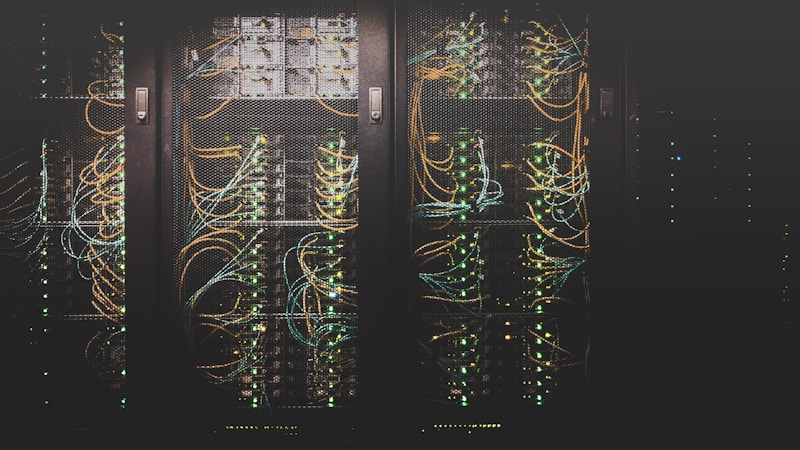
Data centers are not loud in the way a factory is loud, but they are not quiet either. The buildings are packed with servers that run every hour of every day, and those servers need constant cooling. That cooling equipment produces a steady hum that neighbors in other cities have complained about for years. That is why the distance limitation from homes is such a big deal in Henderson's plan. Where one of these facilities can be built matters as much as whether it gets built at all.
Then there is the power question. A large data center can pull as much electricity as thousands of homes combined. That demand lands on the same grid that serves your house. NV Energy is already rolling out a new daily demand charge that changes how nearly every Southern Nevada household is billed for power. When you stack heavy new industrial users on top of rising residential costs, people naturally start asking who pays for the extra strain. Henderson's framework tries to answer that by capping electrical demand inside each negotiated deal.
Water is the other worry, and in the desert it is never a small one. Some data centers use large amounts of water to keep their equipment cool. Southern Nevada leans almost entirely on the Colorado River, and new federal rules expected to tighten that supply are already making residents nervous. A city that controls how much water a data center can use is a city trying to protect its households first. That is the logic behind putting water consumption right at the top of the new standards.
For homeowners, all of this ties back to one thing that keeps people up at night, which is property value. A humming, windowless industrial building next to a residential street can make nearby homes harder to sell. On the other hand, data centers bring jobs, construction spending, and tax revenue that can help fund roads, parks, and schools. The honest answer is that location decides which side of that trade a neighborhood ends up on. A well-placed data center in an industrial corridor is very different from one built at the edge of a subdivision. Henderson is one of the fastest-growing cities in Nevada, full of families who moved there for quiet streets and newer homes, so the choice to negotiate each project instead of freezing all of them means the city keeps the door open to growth while promising to study the details.
Renters have a stake in this, too. Henderson has a large and growing rental market, and the same power grid and water supply serve apartments and single-family rentals alike. If big new users drive up utility costs or strain the system, tenants feel it in their monthly bills just like owners do. A framework that limits how much a single data center can draw is really a promise to every household in the city, no matter whether they hold a deed or a lease.

The Data Center Fight Spreading Across Nevada
Henderson is not making this decision in a vacuum. A wave of data center projects has been sweeping across Nevada and the country, driven by the huge computing demand behind artificial intelligence and cloud services. That boom has pushed one local government after another to figure out how to handle it, and the responses have been all over the map.
The pushback has been building for months. In June, the Reno City Council voted to put a temporary data center moratorium in place while it works on new regulations expected sometime next year. Reno decided a pause was the right call for its situation, which shows how differently two Nevada cities can read the same trend.
The concerns have often centered on water. In May, the Nye County Water District Governing Board unanimously approved an emergency order asking the Nye County Commission to place a moratorium on data centers in the Pahrump Valley. In a rural area that depends on limited groundwater, the idea of a thirsty new industry set off alarm bells fast. Boulder City has been fighting its own version of this battle. In May, the Boulder City planning commission voted unanimously against recommending a data center from Townsite Solar 2 LLC on city-owned land. The developer responded by trying to get the project approved on federal land instead, and the Boulder City Council then voted unanimously to appeal the approval of what would be the first data center on U.S. Bureau of Land Management land. That dispute is still playing out.
The story is bigger than Nevada, too. In July, New York became the first state to order a statewide halt on new data center construction, following an executive order from Governor Kathy Hochul. When an entire state hits pause, smaller cities take notice. Against that backdrop, Henderson's staff had already been quietly revising the city's development agreement process since April. So while the moratorium proposal grabbed the headlines, city leaders felt they were not starting from scratch. They argued they were close to having permanent rules ready, which is a big reason a majority preferred building the framework over freezing applications.

What Happens Next in Henderson
The action now shifts to city staff, who have been told to turn Tuesday's direction into an actual framework. That document will spell out the new development agreement standards for data centers, including the limits on water use, electrical demand, and noise, plus the distance a facility must keep from homes. This is where the real decisions get made, because the strength of any rule lives in its specific numbers.
Residents will get a say before anything is locked in. City officials said the framework will go through public input across two public meetings. If you care about where data centers can and cannot go in Henderson, those two meetings are the moments to show up, send a comment, or watch closely. The people who filled the room on Tuesday made their voices heard, and the next rounds are their chance to shape the details.
There is no pending application to react to, so the timeline is being set by the city rather than by a developer's deadline. That is actually good news for residents. It means Henderson can take the process at a deliberate pace and get the standards right before any company asks to build. Once the framework is adopted, any future data center proposal would be measured against it and negotiated one deal at a time. A few things are worth watching in the meantime. Keep an eye on the distance-from-homes rule, since that single number will decide how close these buildings can sit to neighborhoods. Watch the water and power caps, which will show how seriously the city takes resident concerns. And watch how the framework interacts with the bigger forces already in motion, from NV Energy's new billing structure to the federal Colorado River rules landing this summer. All of it feeds into the same question, which is how Henderson keeps growing without overloading the power and water its residents count on every day.
Ryan's Take
I read this vote as a win for careful growth, even though a lot of residents wanted the full pause. A blanket moratorium sounds satisfying, but it expires, and then you are right back where you started. Permanent standards with a real distance rule and hard caps on water and power give Henderson something it can lean on for years. For a city this popular with buyers, that long view matters. Data centers are an industrial use, and like any industrial use, location is everything. A facility tucked into a commercial corridor near the freeway barely touches home values. One built at the edge of a subdivision is a different story.
My honest advice is not to panic and not to tune out. There is no project on the table today, and the city just gave itself a stronger set of tools. The distance limitation the council asked for is the single most important detail for anyone buying near open, undeveloped land in Cadence, Inspirada, or the growth areas of west Henderson. If you are buying, ask your agent what is zoned near the home and what could be built on nearby vacant parcels. That question protects you whether the neighbor turns out to be a park, a shopping center, or something that hums all night. Henderson is still a great place to own a home, and an informed buyer is always in a better spot than a worried one.

What You Can Do
Start by getting on the list. The City of Henderson posts council and commission agendas online, and you can sign up to follow when the data center framework comes back for those two public meetings. Showing up, whether in person or with a written comment, is the most direct way to influence how close these facilities can be built and how much power and water they can use.
Get to know your representatives. Henderson's mayor and council members respond to residents, and a short, specific message about your neighborhood carries weight. If you live near vacant land, say so, and ask how the new standards would apply to a parcel close to you. The more concrete your concern, the easier it is for the city to address it.
Do your homework before you buy or sell. Look up the zoning around any home you are considering and ask what could rise on nearby empty lots. Your real estate agent can pull that information and explain what it means in plain language. A little research now can save a big surprise later. I track Henderson development news because it directly affects the homes my clients buy and sell, so if you want to know how a proposed project near you might play out, that is exactly the kind of question I am glad to answer.
Have questions about how this affects your home or neighborhood? Reach out to Ryan Rose or text/call 702-747-5921 anytime.
Sources
Nevada Current, "Henderson City Council rejects data center moratorium"
Nevada Current, "Reno City Council extends data center moratorium"
Nevada Current, "New York governor orders first statewide data center moratorium"
Categories
- All Blogs (4337)
- Absentee Owner (4)
- Affordability (3)
- ALIANTE (53)
- Anthem (33)
- Ascension (50)
- Assumable Loan (1)
- Astra (50)
- BLACK MOUNTAIN (55)
- Buyers (22)
- Cadence (17)
- Calico Ridge (50)
- CANYONS OF SUMMERLIN (55)
- CENTENNIAL HILLS (81)
- Comparisons (46)
- CROSSINGS IN SUMMERLIN (55)
- DESERT SHORES (47)
- Divorce (3)
- Downsizing (13)
- EAGLE HILLS (55)
- Empty Nester (1)
- Enterprise (1)
- EXPIRED LISTINGS (134)
- First Time Homebuyer (4)
- Green Valley (137)
- Henderson (82)
- HORIZONS EDGE (50)
- Housing Market Trends (99)
- Informative (112)
- Inspirada (56)
- Lake Las Vegas (2)
- Lakes Las Vegas (3)
- Local News (469)
- Luxury (1)
- MacDonald Highlands (88)
- MacDonald Ranch (70)
- Madeira Canyon (91)
- MESQUITE NV (103)
- MOUNTAIN TRAILS (50)
- Mountains Edge (67)
- Naked City (35)
- New Construction (119)
- North Las Vegas (24)
- Northgate (23)
- PALISADES SUMMERLIN (50)
- Probate (28)
- Providence (2)
- Quail Ridge (35)
- QUEENSRIDGE (56)
- Red Rock (1)
- RED ROCK COUNTRY CLUB (60)
- Relocating to Summerlin (207)
- Relocation (45)
- Retired (1)
- Retirement (1)
- Reverence (1)
- RHODES RANCH (63)
- Ridgebrook (40)
- Sellers (253)
- Seven Hills (65)
- Silverado Ranch (1)
- Silverstone Ranch (39)
- SKYE CANYON (100)
- SKYE CANYONE (4)
- Southern Highlands (94)
- Southwest (19)
- SPANISH TRAILS (55)
- SPRING VALLEY (70)
- Summerlin (100)
- Sun City Summerlin (3)
- The Arbors (35)
- The Cliffs (49)
- THE HILLS (55)
- THE PASEOS (55)
- The Pueblos (27)
- THE PUEBLOS OF SUMMERLIN (42)
- THE RIDGES (65)
- THE VISTAS OF SUMMERLIN (48)
- The Willows (54)
- Thoughts on Home Tour (2)
- TOURNAMENT HILLS (50)
- Veterans (3)
- WHITNEY RANCH (52)
- Workers Advantage Program (100)
Recent Posts







GET MORE INFORMATION