
Foreclosures Hit a Six-Year High Nationally. Distressed Sales Are Still Just 1.1 Percent in Las Vegas
Related Stories
Las Vegas Home Prices $20K Below Record
Las Vegas Asking Prices Fall Faster Than U.S.
Las Vegas Condo Prices Down 1.4 Percent
About 298,000 U.S. home loans were in active foreclosure in August 2026, the most since February 2019, according to mortgage data firm ICE. But here in Southern Nevada, short sales and foreclosures made up just 1.1% of the homes that sold in September, according to Las Vegas REALTORS. That is roughly 1 out of every 90 sales.
So yes, the national number went up. And yes, the local number went up too, from 0.5% a year ago. But national real estate news is not local real estate news. A six-year high across the whole country does not mean a wave of foreclosures is about to hit Henderson, Summerlin, or Spring Valley. In fact, most Las Vegas homes that sold last month went under contract within 60 days, which is a sign of a market that is still moving.
If you saw the "foreclosures at a six-year high" headline and felt a knot in your stomach, this post is for you. Let's walk through what the national data really says, what the Las Vegas data says, and why the two tell very different stories.

What Happened
ICE, the company behind one of the largest mortgage databases in the country, released its October 2026 Mortgage Monitor report. It covers loan performance through the end of August. The headline number was active foreclosure inventory. That is the count of loans that have been sent to an attorney for foreclosure but have not yet been sold. It rose by 2,000 in August to 298,000. That is the highest level since February 2019 and 89,000 more than a year ago, a 41% jump.
Foreclosure starts, which are brand-new foreclosure cases, came in at 37,300 in August. That was up 29% from a year ago. But it was also down 6% from July and down 14% from June, when starts hit their own six-year high. ICE also noted that starts were still 8% below August 2019, before the pandemic. Foreclosure sales, meaning homes that actually reached the end of the process, eased 2% to 7,800. That is just 57% of the 13,600 foreclosure sales in August 2019.
The national delinquency rate rose 14 basis points to 3.53%. ICE said the August rise was "largely calendar, not credit, related." In plain English, August ended on a Monday, and the day of the week a month ends can shift when payments get counted. Even so, the 3.53% rate is below the pre-pandemic August 2019 rate of 3.88%. The number of loans 90 or more days past due, but not yet in foreclosure, rose to 574,000. That is up 92,000 from a year ago. ICE also flagged that new defaults on VA loans were up 23% from a year ago and defaults on loans backed by Fannie Mae and Freddie Mac were up 18%, while new FHA defaults fell 15%.
A second national report from ATTOM, a property data company, came out on Oct. 9. ATTOM counted 25,894 foreclosure starts in August, up 7% from a year ago and down 3% from July. ATTOM counts public records filings, while ICE tracks loan-level servicer data, so the two numbers are not the same and should not be compared directly. ATTOM's list of the 10 states with the biggest yearly jump in foreclosure starts was led by Tennessee, up 144.8%. Nevada was not on that list.
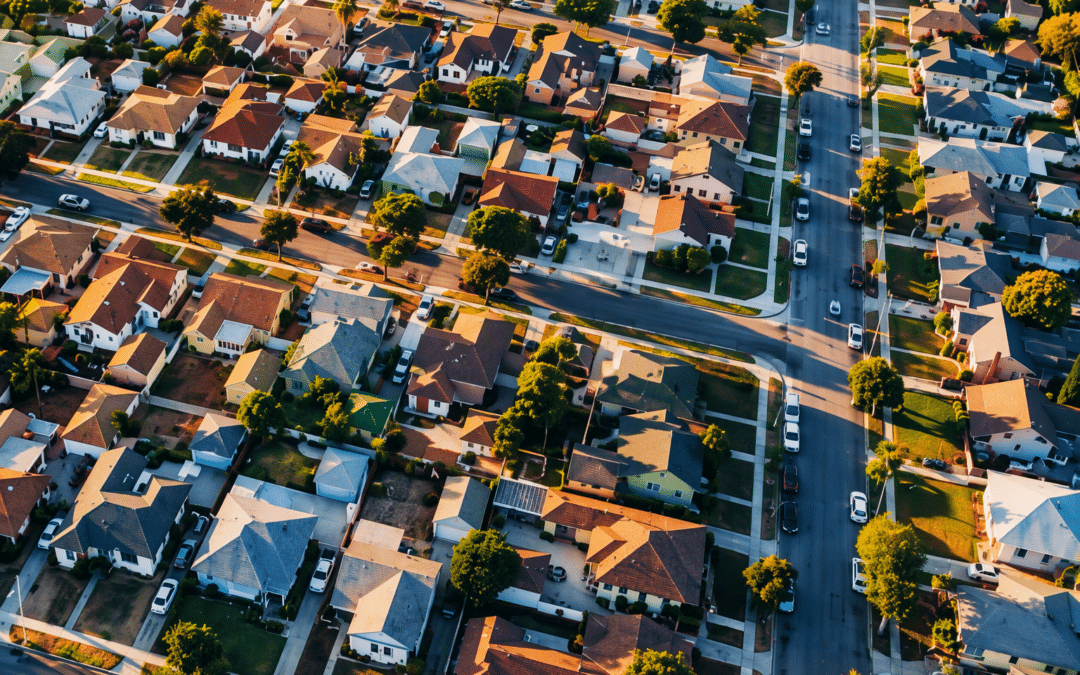
Then there is Las Vegas. On Oct. 6, Las Vegas REALTORS released its September report, and FOX5 Vegas covered it. Of the 2,169 existing homes, condos, and townhomes sold in Southern Nevada in September, short sales and foreclosures made up 1.1%. A year ago that share was 0.5%. Even after doubling, it is still near historic lows. Do the math, and that works out to roughly two dozen distressed sales in a month with more than 2,000 total sales.
It helps to know what "distressed" means. A short sale is when a lender agrees to let an owner sell for less than what is owed on the loan. A foreclosure sale is when the lender takes the home back and sells it, often as a bank-owned home. Both count in the Las Vegas REALTORS distressed share. A loan that is late, or even one that has entered the foreclosure process, does not show up in that number unless the home actually sells as a short sale or bank-owned property.
Why It Matters to Las Vegas Residents
Headlines like "foreclosures hit a six-year high" travel fast. People share them with a crash warning attached. If you own a home here, you might wonder if your value is about to drop because the house down the street is going to the bank. If you rent and hope to buy, you might wonder if you should wait for a flood of cheap homes. The local data says neither fear lines up with what is happening right now.
Distressed sales pull down prices when there are a lot of them. That is what happened in Las Vegas after the 2008 crash, when bank-owned homes and short sales made up a huge part of the market. At 1.1%, distressed sales are a tiny slice of what is selling. They are not setting the price for your neighborhood. Normal sellers, people who move for a job, a growing family, or retirement, are still setting the price. In September the median price for an existing single-family home was $470,000, the same as September 2025. That is flat, not falling off a cliff.
The speed of sales tells the same story. In September, 75.9% of single-family homes and 70.5% of condos and townhomes that sold went under contract within 60 days. Both numbers were higher than a year ago, when they were 72.0% and 67.0%. In a market in real trouble, homes sit longer, not shorter. Cash buyers were 23.5% of sales, up slightly from 23.0% a year ago. That is far from the 59.5% peak in February 2013, when investors were scooping up foreclosures.
There is a real cooling trend here, and it is fair to name it. Home sales fell 7.4% from a year ago and condo and townhome sales fell 12.6%. There were 7,995 single-family homes on the market without offers, up 6.6%, and about a five-month supply, up from roughly four months a year ago. Buyers have more choices and more room to negotiate. But a slower market with more listings is a very different thing from a foreclosure crisis. For most homeowners, the bigger question is how rising mortgage rates affect buyers, not whether foreclosures will flood their street.
Background and History
To understand why the national number is climbing, you have to look at what ICE calls the "cure rate." That is the share of seriously late loans that get caught up each month. During the pandemic, government forbearance programs helped a lot of borrowers pause payments and then catch up. As those programs wound down, fewer late borrowers were able to get back on track. That slower cure rate has been the main driver of rising serious delinquencies over the past 12 months, according to ICE. More loans stay late longer, and some of them move into foreclosure.
It also helps to remember how low foreclosures went. For several years, foreclosure activity was unusually quiet across the country because of moratoriums, forbearance, and strong home equity. When you start from a very low base, even a big percentage jump can still leave you below normal. That is exactly what the ICE report shows. Starts are up 29% from a year ago but are still below August 2019. Foreclosure sales are up 12% but are still barely more than half of 2019 levels. The pre-sale foreclosure rate of 0.54% is the highest since February 2020, but still under the 0.56% seen in August 2019.
The same ICE report shows how the housing market itself has shifted. There were 1.14 million active listings for sale across the country in August, the most in nearly seven years, but still 12% below pre-pandemic levels. ICE said half of all Western and Southern metro areas now have more inventory than they did before the pandemic. That fits what Las Vegas buyers are seeing: more homes to choose from and more time to decide. More listings and more late loans are two separate trends, though, and only one of them is showing up clearly in local sales.

Nevada has been part of the national foreclosure conversation in recent months. ATTOM's August report listed Nevada with the second-highest foreclosure filing rate in the country, 1 filing for every 1,920 housing units. That is a rate of filings, which can include early default notices, not completed foreclosures or sales. It also shows why the Las Vegas REALTORS figure matters so much. It measures what actually sells on the local market, and that is still overwhelmingly normal, non-distressed homes.
Las Vegas also looks very different today than it did in 2008. Back then, many buyers had little or no equity and loans with payments that reset higher. Today, many local owners bought or refinanced at low rates and have built equity as prices rose. A homeowner with equity who hits a rough patch can usually sell the home on the open market instead of losing it to foreclosure. That is one big reason distressed sales stay low even when late payments tick up.
What Happens Next
The next ICE First Look report, covering September data, is expected in late October. Watch two numbers. First, foreclosure starts. They have already dropped from June's six-year high, and if they keep easing, that suggests the pipeline is slowing. Second, the 90-day delinquency count. ICE noted the growth of serious delinquencies and foreclosures has started to slow in recent months. If that holds, the active foreclosure count may level off too.
Locally, Las Vegas REALTORS will release October numbers in early November. The distressed share is the one to watch. A move from 1.1% to 1.3% would be worth noting but would not change the big picture. A sustained climb into the high single digits over many months would be a different story. Watch, too, the share of homes selling within 60 days and the months of supply. Those tell you whether the market is absorbing listings or letting them pile up.
Mortgage rates will play a big role in all of this. LVR President George Kypreos said recently rising rates are playing a bigger role in the local market. NAR Chief Economist Lawrence Yun told LVR members that future rate moves are uncertain. Higher rates do not cause foreclosures by themselves, since most owners have fixed-rate loans. But they slow sales and make it harder for a struggling owner to find a buyer quickly. That is worth tracking as we head into the winter months, which are usually slower for home sales anyway.
Ryan's Take
I get calls every time a national foreclosure headline goes viral. The question is always some version of "Is it 2008 again?" My honest answer, based on the September numbers, is no. About 1 in 90 homes sold in Southern Nevada last month was a short sale or foreclosure. Three out of four single-family homes went under contract within 60 days. That is not what a foreclosure wave looks like. What I do see is a market that is cooling. Sellers who price too high are sitting longer, and buyers have more leverage than they did in the spring.
If you are a buyer hoping for a pile of bank-owned bargains, I would not plan around that. They are out there, but there are only a couple dozen a month across the whole valley, and the good ones get attention. Your better opportunity right now is the regular seller who has been on the market for a while and is ready to talk about price or closing costs. If you are a homeowner in Summerlin, the southwest valley, or Henderson, your home's value is being set by normal sales, not distressed ones. And if you are the one falling behind on your payments, please do not wait. With the equity many Las Vegas owners have, there are often better options than foreclosure, but only if you act early.

What You Can Do
If you are a homeowner, find out where you stand. Look up a rough idea of your home's value and compare it to what you owe. If you have solid equity, a national foreclosure headline does not change much for you. If you are thinking about selling in the next year, ask for a pricing review based on recent sales in your exact neighborhood, not national averages. Pricing right from day one matters more in a five-month-supply market.
If you are behind on your mortgage or worried you will be, call your loan servicer now. Ask about repayment plans, loan modifications, and other options. The federal Consumer Financial Protection Bureau and HUD both list free, approved housing counselors who can help you understand your choices. If your home has equity, selling on the open market can protect that equity and your credit far better than a foreclosure would. The earlier you start, the more choices you have.
If you are a buyer, get pre-approved, and do not wait on the sidelines for a crash the local numbers do not show. Instead, look for listings that have been on the market for a while. Those sellers are often the most open to price cuts, repair credits, or help with a rate buydown. And keep an eye on the monthly Las Vegas REALTORS report. It is the best single snapshot of what is really happening in our market.
Have questions about how this affects your home or neighborhood? Reach out to Ryan Rose or text/call 702-747-5921 anytime.

Sources
ICE (Intercontinental Exchange), Mortgage Monitor report October 2026
FOX5 Vegas, "Las Vegas realtors report fewer homes selling as interest rates rise"
ATTOM, "Top 10 U.S. States with Largest Annual Increase in Foreclosure Starts in the August 2026"
Categories
- All Blogs (4979)
- Absentee Owner (4)
- Affordability (3)
- ALIANTE (53)
- Anthem (33)
- Ascension (50)
- Assumable Loan (1)
- Astra (50)
- BLACK MOUNTAIN (55)
- Buyers (22)
- Cadence (17)
- Calico Ridge (50)
- Canyon Fairways (50)
- CANYONS OF SUMMERLIN (55)
- CENTENNIAL HILLS (81)
- Comparisons (46)
- CROSSINGS IN SUMMERLIN (55)
- DESERT SHORES (47)
- Divorce (3)
- Downsizing (13)
- EAGLE HILLS (55)
- Empty Nester (1)
- Enterprise (1)
- EXPIRED LISTINGS (134)
- First Time Homebuyer (4)
- Green Valley (139)
- Henderson (82)
- HORIZONS EDGE (50)
- Housing Market Trends (100)
- Informative (112)
- Inspirada (58)
- Lake Las Vegas (2)
- Lakes Las Vegas (3)
- Las Vegas Real Estate (182)
- Local News (774)
- Luxury (1)
- MacDonald Highlands (88)
- MacDonald Ranch (100)
- Madeira Canyon (93)
- MESQUITE NV (103)
- MOUNTAIN TRAILS (50)
- Mountains Edge (79)
- Naked City (35)
- New Construction (131)
- North Las Vegas (24)
- Northgate (23)
- PALISADES SUMMERLIN (50)
- Probate (28)
- Providence (2)
- Quail Ridge (35)
- QUEENSRIDGE (56)
- Red Rock (1)
- RED ROCK COUNTRY CLUB (60)
- Relocating to Summerlin (207)
- Relocation (45)
- Retired (1)
- Retirement (1)
- Reverence (15)
- RHODES RANCH (64)
- Ridgebrook (40)
- Sellers (255)
- Seven Hills (83)
- Silverado Ranch (1)
- Silverstone Ranch (39)
- SKYE CANYON (100)
- SKYE CANYONE (4)
- Southern Highlands (94)
- Southwest (19)
- SPANISH TRAILS (55)
- SPRING VALLEY (70)
- Summerlin (104)
- Sun City Summerlin (3)
- The Arbors (37)
- The Cliffs (50)
- THE HILLS (55)
- THE PASEOS (55)
- The Pueblos (27)
- THE PUEBLOS OF SUMMERLIN (42)
- THE RIDGES (65)
- THE VISTAS OF SUMMERLIN (50)
- The Willows (60)
- Thoughts on Home Tour (2)
- TOURNAMENT HILLS (50)
- Veterans (3)
- WHITNEY RANCH (55)
- Workers Advantage Program (100)
Recent Posts









GET MORE INFORMATION