
Why Some Las Vegas Homes Sell in Two Weeks While Others Sit for Months
Related Articles
- Is North Las Vegas Safe? Neighborhood Safety Guide
- Safest Neighborhoods in Southwest Las Vegas
- Rhodes Ranch Las Vegas: Guard-Gated Golf Community Guide
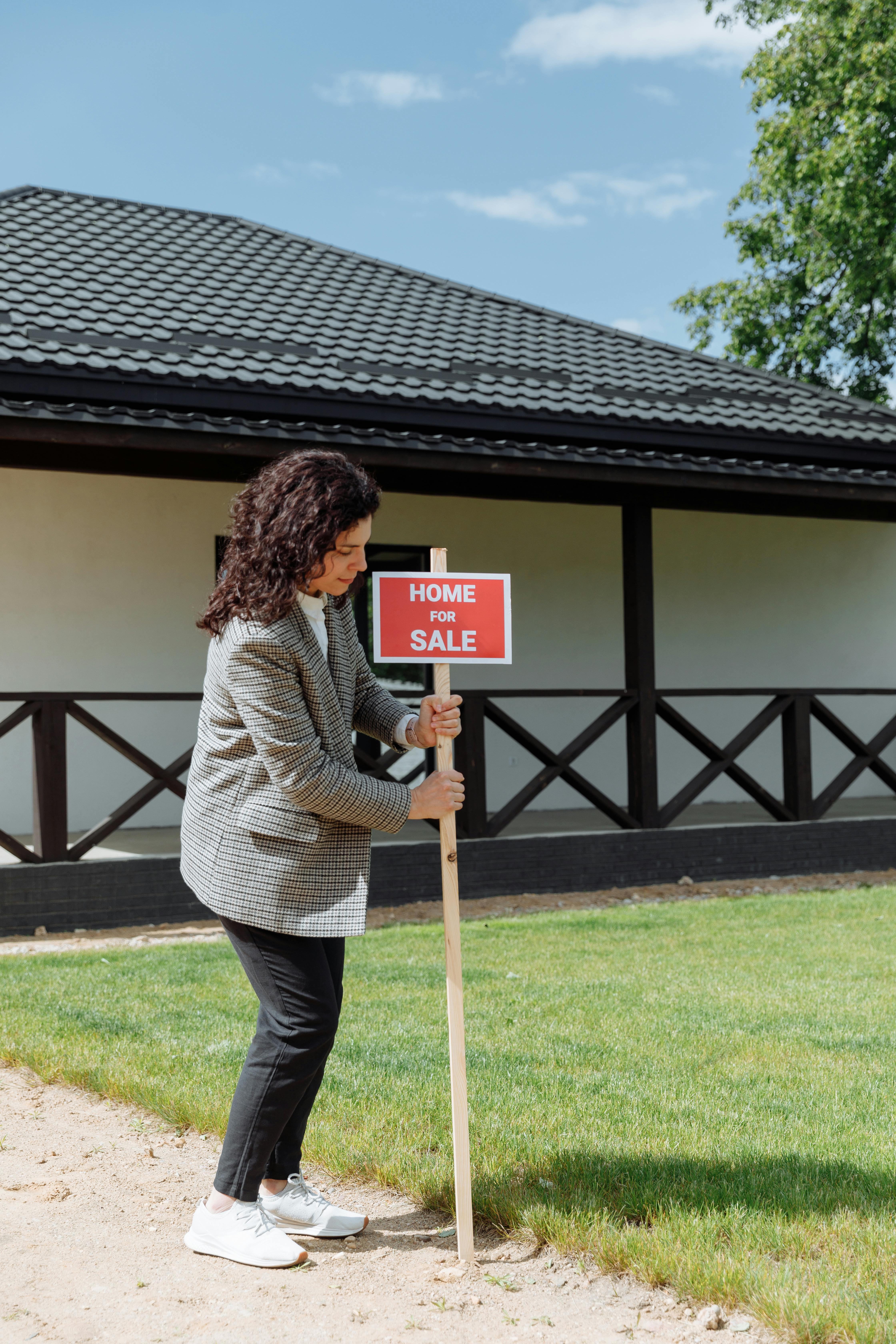
Drive through any Las Vegas neighborhood right now and you will see it: some homes with For Sale signs that just went up, already showing pending. Others with signs that have been there so long the colors are starting to fade. Same neighborhood. Similar homes. Completely different outcomes. What separates the homes that sell quickly from the ones that linger on the market for months? After helping clients buy and sell hundreds of homes across the valley, I can tell you it almost always comes down to the same handful of factors. None of them are mysterious. All of them are within the seller's control. Here is what actually makes the difference.
Factor 1: Price Relative to Comparable Sales
This is the biggest factor by far. A correctly priced home generates interest immediately. An overpriced home sits. It really is that simple.
Buyers are sophisticated. They have access to the same data agents do. They know what similar homes have sold for. When they see a listing priced 10 percent above recent comparables, they skip it and look at homes that offer better value.
The homes that sell in two weeks are priced at or slightly below recent comparable sales. They attract multiple showings in the first week, generate offers quickly, and often sell at or near asking price. The homes that sit for months are the ones where the seller insisted on a price the market does not support.
| Pricing Strategy | Typical Outcome |
|---|---|
| At or slightly below market | Sells in 2-4 weeks, often with multiple offers |
| 5% above market | Sits 60-90 days, sells after price reduction |
| 10%+ above market | Sits 90-180+ days, multiple reductions, sells below where it should have |
Factor 2: Presentation and Photos
The first showing happens online. Buyers scroll through listings on their phones, and they decide in seconds whether a home is worth visiting in person. Homes with dark, cluttered, poorly composed photos get skipped. Homes with bright, professional photos that show the space at its best get saved and scheduled.
I have seen two nearly identical homes in the same neighborhood have completely different outcomes based on photos alone. One had professional photography, showed clean and staged, and sold in 10 days. The other had cell phone photos, showed cluttered and dark, and sat for three months.
It is not fair that presentation matters this much. But it does. The homes that sell quickly look move-in ready online. The ones that sit look like work.
Factor 3: Condition and Updates
Buyers in the current market are pickier than they were during the frenzy. They are not waiving inspections anymore. They are looking for reasons to negotiate or walk away.
A home with obvious deferred maintenance, dated finishes, or visible issues gives buyers ammunition. They either skip it entirely or come in with lowball offers factoring in repair costs.
Homes that sell quickly are either well-maintained and updated, or they are priced to reflect their condition. The ones that sit are the ones asking updated-home prices for dated-home condition.
Factor 4: Location Within the Neighborhood
Two homes on the same street can have very different appeal based on specific location factors:
Backing to a busy road vs. backing to open space. Homes with privacy and quiet sell faster than homes with traffic noise.
Corner lot vs. interior lot. Depending on the layout, one might have better yard space or more street parking.
Proximity to amenities. Walking distance to parks, pools, or community features adds value.
School zones. Even within the same neighborhood, school assignments can vary, and that affects buyer interest.
Sellers cannot change their location, but they can price accordingly. A home backing to a commercial property should not be priced the same as an identical floor plan backing to a greenbelt.
Factor 5: Flexibility on Terms
Some sellers are easy to work with. They respond to showings quickly, consider reasonable offers, and negotiate in good faith. Others are difficult. Restrictive showing windows, immediate rejection of any offer below full price, unwillingness to discuss repairs or credits.
Word gets around among agents. If a listing has a reputation for being difficult, it gets fewer showings. Agents steer their buyers toward homes where the transaction is likely to go smoothly.
Flexibility does not mean giving away the house. It means being reasonable and responsive. Homes owned by flexible sellers sell faster.
Factor 6: Market Timing and Competition
The same home might sell in two weeks or two months depending on what else is available at that moment. If you list when there are few competing options, you get more attention. If you list the same week five similar homes hit the market, you are splitting buyer interest five ways.
Smart sellers pay attention to inventory in their price range and neighborhood. Listing when competition is lighter improves your odds.
What You Can Control
Here is the good news. Most of the factors that determine whether your home sells quickly are within your control:
Price it right. Base your price on recent comparable sales, not hope or emotion.
Present it well. Invest in professional photos, declutter, deep clean, and make minor repairs.
Be realistic about condition. Either update before listing or price to reflect current state.
Be flexible. Make showing easy, respond to offers promptly, and negotiate reasonably.
Watch the competition. Know what else is available in your price range and neighborhood.
The sellers who do these things consistently are the ones putting up pending signs in two weeks. The ones who skip them are the ones wondering why nothing is happening.
Where to Start
If you want your home to be one that sells quickly rather than one that sits, start with understanding where you stand. What is your home actually worth? What does the competition look like? What would it take to present at the level that generates fast offers?
I help sellers position their homes for success in the current market. Realistic pricing, solid presentation strategy, and smooth execution.
Ready to talk strategy? Request a free home evaluation here or reach out directly to get started.
Frequently Asked Questions About Selling Your Las Vegas Home Quickly
Categories
- All Blogs (4272)
- Absentee Owner (4)
- Affordability (3)
- ALIANTE (53)
- Anthem (33)
- Ascension (50)
- Assumable Loan (1)
- Astra (50)
- BLACK MOUNTAIN (55)
- Buyers (22)
- Cadence (17)
- Calico Ridge (50)
- CANYONS OF SUMMERLIN (55)
- CENTENNIAL HILLS (81)
- Comparisons (46)
- CROSSINGS IN SUMMERLIN (55)
- DESERT SHORES (47)
- Divorce (3)
- Downsizing (13)
- EAGLE HILLS (55)
- Empty Nester (1)
- Enterprise (1)
- EXPIRED LISTINGS (134)
- First Time Homebuyer (4)
- Green Valley (137)
- Henderson (82)
- HORIZONS EDGE (50)
- Housing Market Trends (99)
- Informative (112)
- Inspirada (56)
- Lake Las Vegas (2)
- Lakes Las Vegas (3)
- Local News (404)
- Luxury (1)
- MacDonald Highlands (88)
- MacDonald Ranch (70)
- Madeira Canyon (91)
- MESQUITE NV (103)
- MOUNTAIN TRAILS (50)
- Mountains Edge (67)
- Naked City (35)
- New Construction (119)
- North Las Vegas (24)
- Northgate (23)
- PALISADES SUMMERLIN (50)
- Probate (28)
- Providence (2)
- Quail Ridge (35)
- QUEENSRIDGE (56)
- Red Rock (1)
- RED ROCK COUNTRY CLUB (60)
- Relocating to Summerlin (207)
- Relocation (45)
- Retired (1)
- Retirement (1)
- Reverence (1)
- RHODES RANCH (63)
- Ridgebrook (40)
- Sellers (253)
- Seven Hills (65)
- Silverado Ranch (1)
- Silverstone Ranch (39)
- SKYE CANYON (100)
- SKYE CANYONE (4)
- Southern Highlands (94)
- Southwest (19)
- SPANISH TRAILS (55)
- SPRING VALLEY (70)
- Summerlin (100)
- Sun City Summerlin (3)
- The Arbors (35)
- The Cliffs (49)
- THE HILLS (55)
- THE PASEOS (55)
- The Pueblos (27)
- THE PUEBLOS OF SUMMERLIN (42)
- THE RIDGES (65)
- THE VISTAS OF SUMMERLIN (48)
- The Willows (54)
- Thoughts on Home Tour (2)
- TOURNAMENT HILLS (50)
- Veterans (3)
- WHITNEY RANCH (52)
- Workers Advantage Program (100)
Recent Posts






GET MORE INFORMATION