
Why Some Las Vegas Homes Sit on the Market for Months
Related Articles
- Is Henderson NV Safe? Crime Statistics by Neighborhood
- Summerlin Las Vegas: Complete Neighborhood Guide
- Safest Neighborhoods in Southwest Las Vegas
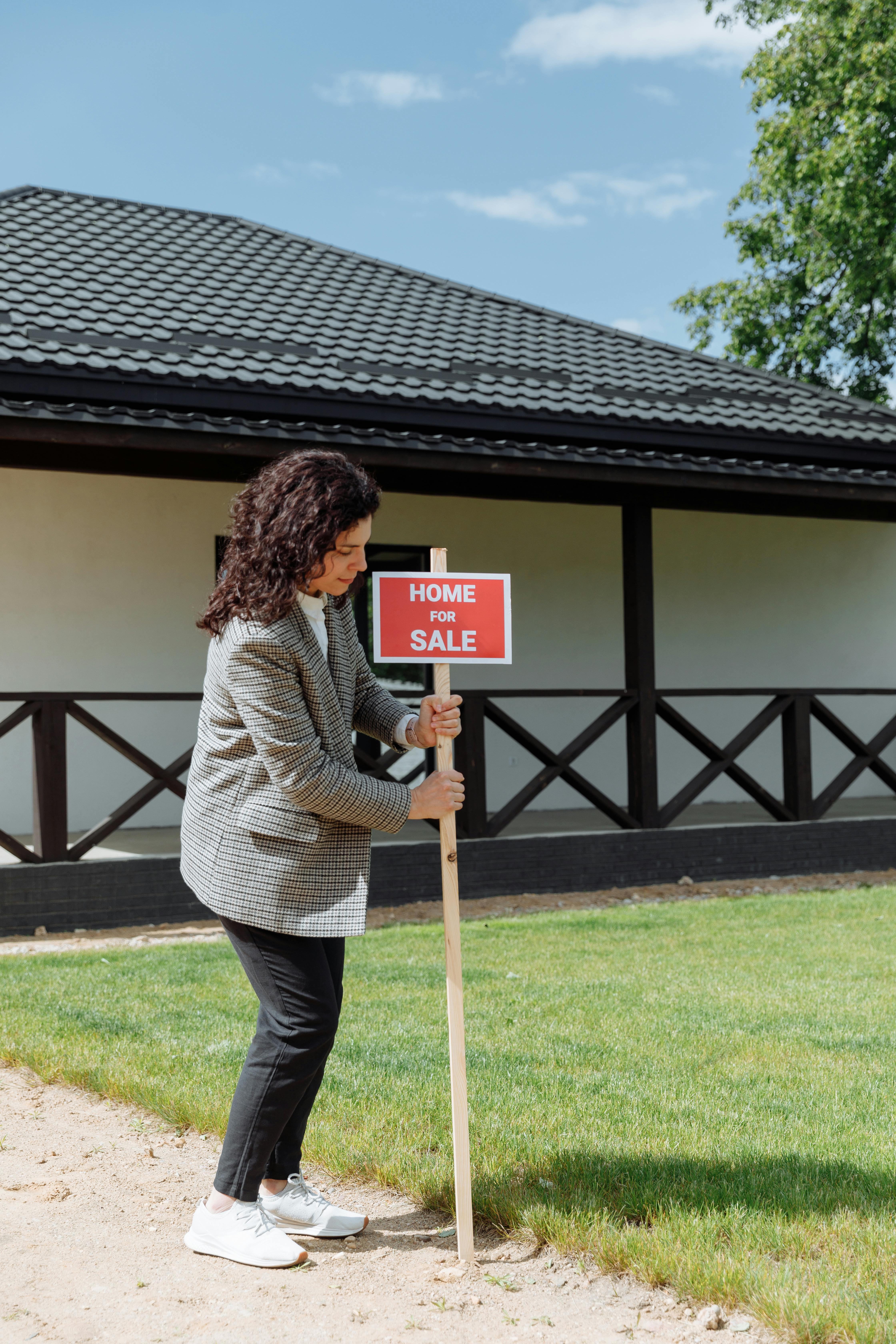
You see it all the time. Some homes sell in a week with multiple offers. Others sit for months, eventually selling for less than they originally listed for, or not selling at all. What is the difference? Usually it is not luck. Homes that sit on the market for extended periods almost always have identifiable problems. Understanding these issues helps you avoid them when selling your own home.
The Number One Reason: Price
Overpricing is responsible for more stuck listings than any other factor. Sellers often price based on what they want to get, what they paid plus improvements, or what their neighbor's house sold for two years ago. None of these is how buyers evaluate homes.
Buyers compare your home to other homes currently for sale and recently sold in the same area and price range. If your home is priced higher than comparable options without offering more value, buyers simply choose the better deal.
The market does not care what you paid, what you spent on renovations, or what you need to walk away with. It only cares about relative value.
| Pricing Mistake | Result |
|---|---|
| 5-10% overpriced | Fewer showings, extended time on market |
| 10-15% overpriced | Minimal activity, helps sell competing homes |
| 15%+ overpriced | No showings, listing goes stale |
Poor Presentation
First impressions happen online, and they happen fast. Buyers scroll through listing photos in seconds. If your photos do not grab attention, buyers never schedule a showing.
Common presentation problems include:
Bad photos. Dark, blurry, poorly composed images make even nice homes look bad. Cell phone photos with harsh shadows and cluttered rooms doom listings from the start.
Clutter and personalization. Rooms stuffed with furniture, family photos everywhere, and personal collections make it hard for buyers to envision themselves in the space.
Deferred maintenance. Peeling paint, dead landscaping, broken fixtures, and general neglect signal that bigger problems might be hiding.
Odors. Pet smells, smoke, cooking odors, or mustiness hit buyers the moment they walk in. Many will not even finish the showing.
Location Challenges
Some location factors cannot be fixed:
Busy streets. Homes on major roads or near intersections are harder to sell than similar homes on quiet streets.
Backing to commercial. Properties adjacent to shopping centers, gas stations, or industrial areas face buyer resistance.
Flight paths. Homes under heavy flight paths have noise issues that bother some buyers.
Power lines. Visible high-voltage lines or substations concern buyers regardless of whether concerns are justified.
These factors do not make homes unsellable, but they require pricing that acknowledges the drawback.
Floor Plan Problems
Some floor plans just do not appeal to modern buyers:
Chopped-up layouts. Small, closed-off rooms feel cramped. Buyers want open floor plans.
Unusual configurations. Bedrooms you walk through to reach other rooms, kitchens at the front of the house, or primary suites on different floors than other bedrooms create objections.
Bedroom count. A large house with only two bedrooms struggles against smaller homes with more bedrooms.
Single bathroom. Homes with only one bathroom face limited buyer pools, especially above certain price points.
Showing Availability
If buyers cannot see your home, they cannot buy it. Sellers who restrict showings to narrow windows, require excessive notice, or frequently cancel showing appointments dramatically reduce their buyer pool.
Every declined showing is a potentially lost buyer. In a competitive market, buyers have other options. They will move on to homes they can actually see.
Market Conditions
Sometimes external factors contribute to slow sales. In a market with rising inventory and declining buyer activity, everything takes longer. Homes that would have sold quickly in a hot market take weeks or months in a cooling one.
But even in a slow market, well-priced homes in good condition sell. Market conditions explain some slowdown but do not excuse poor pricing or presentation.
The Stale Listing Problem
Once a home has been on the market for several weeks, it develops a stigma. Buyers wonder what is wrong with it. Why has no one else bought it? What are they missing?
Extended time on market becomes a self-reinforcing problem. The longer a home sits, the more buyers assume something is wrong, the more they avoid it or lowball offers.
This is why pricing correctly from day one matters so much. You cannot un-ring the bell of an overpriced listing.
What to Do If Your Home Is Sitting
If your home has been on the market for more than 30 days with limited activity, something needs to change:
Review pricing. Are you competitive with similar active and sold homes? If not, adjust.
Improve presentation. Fresh photos, professional staging, deep cleaning, minor repairs can all help.
Increase showing availability. Make it as easy as possible for buyers to see your home.
Add incentives. Seller concessions, rate buydowns, or home warranties can attract new interest.
Where to Start
If you are planning to sell and want to avoid common mistakes, or if your home is already on the market and struggling, let us talk. I can help you identify issues and develop a strategy that gets results.
Ready for an honest assessment? Request a free home evaluation here or reach out directly to discuss your situation.
Frequently Asked Questions About Homes That Don't Sell in Las Vegas
Categories
- All Blogs (4272)
- Absentee Owner (4)
- Affordability (3)
- ALIANTE (53)
- Anthem (33)
- Ascension (50)
- Assumable Loan (1)
- Astra (50)
- BLACK MOUNTAIN (55)
- Buyers (22)
- Cadence (17)
- Calico Ridge (50)
- CANYONS OF SUMMERLIN (55)
- CENTENNIAL HILLS (81)
- Comparisons (46)
- CROSSINGS IN SUMMERLIN (55)
- DESERT SHORES (47)
- Divorce (3)
- Downsizing (13)
- EAGLE HILLS (55)
- Empty Nester (1)
- Enterprise (1)
- EXPIRED LISTINGS (134)
- First Time Homebuyer (4)
- Green Valley (137)
- Henderson (82)
- HORIZONS EDGE (50)
- Housing Market Trends (99)
- Informative (112)
- Inspirada (56)
- Lake Las Vegas (2)
- Lakes Las Vegas (3)
- Local News (404)
- Luxury (1)
- MacDonald Highlands (88)
- MacDonald Ranch (70)
- Madeira Canyon (91)
- MESQUITE NV (103)
- MOUNTAIN TRAILS (50)
- Mountains Edge (67)
- Naked City (35)
- New Construction (119)
- North Las Vegas (24)
- Northgate (23)
- PALISADES SUMMERLIN (50)
- Probate (28)
- Providence (2)
- Quail Ridge (35)
- QUEENSRIDGE (56)
- Red Rock (1)
- RED ROCK COUNTRY CLUB (60)
- Relocating to Summerlin (207)
- Relocation (45)
- Retired (1)
- Retirement (1)
- Reverence (1)
- RHODES RANCH (63)
- Ridgebrook (40)
- Sellers (253)
- Seven Hills (65)
- Silverado Ranch (1)
- Silverstone Ranch (39)
- SKYE CANYON (100)
- SKYE CANYONE (4)
- Southern Highlands (94)
- Southwest (19)
- SPANISH TRAILS (55)
- SPRING VALLEY (70)
- Summerlin (100)
- Sun City Summerlin (3)
- The Arbors (35)
- The Cliffs (49)
- THE HILLS (55)
- THE PASEOS (55)
- The Pueblos (27)
- THE PUEBLOS OF SUMMERLIN (42)
- THE RIDGES (65)
- THE VISTAS OF SUMMERLIN (48)
- The Willows (54)
- Thoughts on Home Tour (2)
- TOURNAMENT HILLS (50)
- Veterans (3)
- WHITNEY RANCH (52)
- Workers Advantage Program (100)
Recent Posts





GET MORE INFORMATION