
What Las Vegas Buyers Actually Look For (And What They Ignore)
Related Articles
- Vegas Builder Incentives: Secret Deals on New Construction
- Safest Neighborhoods in Southwest Las Vegas
- Is Henderson NV Safe? Crime Statistics by Neighborhood
If you are thinking about selling your Las Vegas home, you probably have ideas about what makes it valuable. Maybe you love the custom tile work in the bathroom. Maybe you think the pergola in the backyard is a major selling point. Maybe you assume buyers will appreciate the expensive fixtures you installed. Here is the truth: buyers care about some things a lot and other things not at all. Understanding what actually moves the needle helps you focus your preparation efforts and pricing strategy on what matters. After working with hundreds of buyers in the Las Vegas market, I can tell you exactly what they prioritize and what they overlook.
What Buyers Care About Most
Location and neighborhood. This is always number one. School zones, safety, commute times, proximity to amenities. Buyers will compromise on almost everything else before they compromise on location. You cannot change where your home is, but you can price accordingly based on how your location compares to competition.
Floor plan and flow. Open layouts beat choppy ones. Buyers want to see how the space works for daily life. They imagine cooking while watching kids in the family room. They picture hosting gatherings. A good floor plan sells itself. A bad one makes buyers feel cramped even in a large home.
Kitchen condition. The kitchen is the most important room in the house for most buyers. Updated kitchens with modern appliances, good counter space, and functional layouts generate excitement. Dated kitchens with laminate counters and old appliances create objections.
Primary bathroom condition. After the kitchen, the primary bath matters most. Buyers want to feel like they are getting a nice bathroom, not inheriting someone else's problems. Updated vanities, good lighting, and clean tile go a long way.
Natural light. Bright homes feel bigger and more inviting. Dark homes feel depressing. Buyers might not articulate it, but their gut reaction to a home is heavily influenced by how light it feels.
| High Impact Factors | Why It Matters |
|---|---|
| Location/neighborhood | Cannot be changed, drives buyer pool |
| Floor plan functionality | Affects daily livability |
| Kitchen condition | Most used room, expensive to update |
| Primary bathroom | Personal space, daily experience |
| Natural light | Affects emotional response to home |
What Buyers Notice But Do Not Pay For
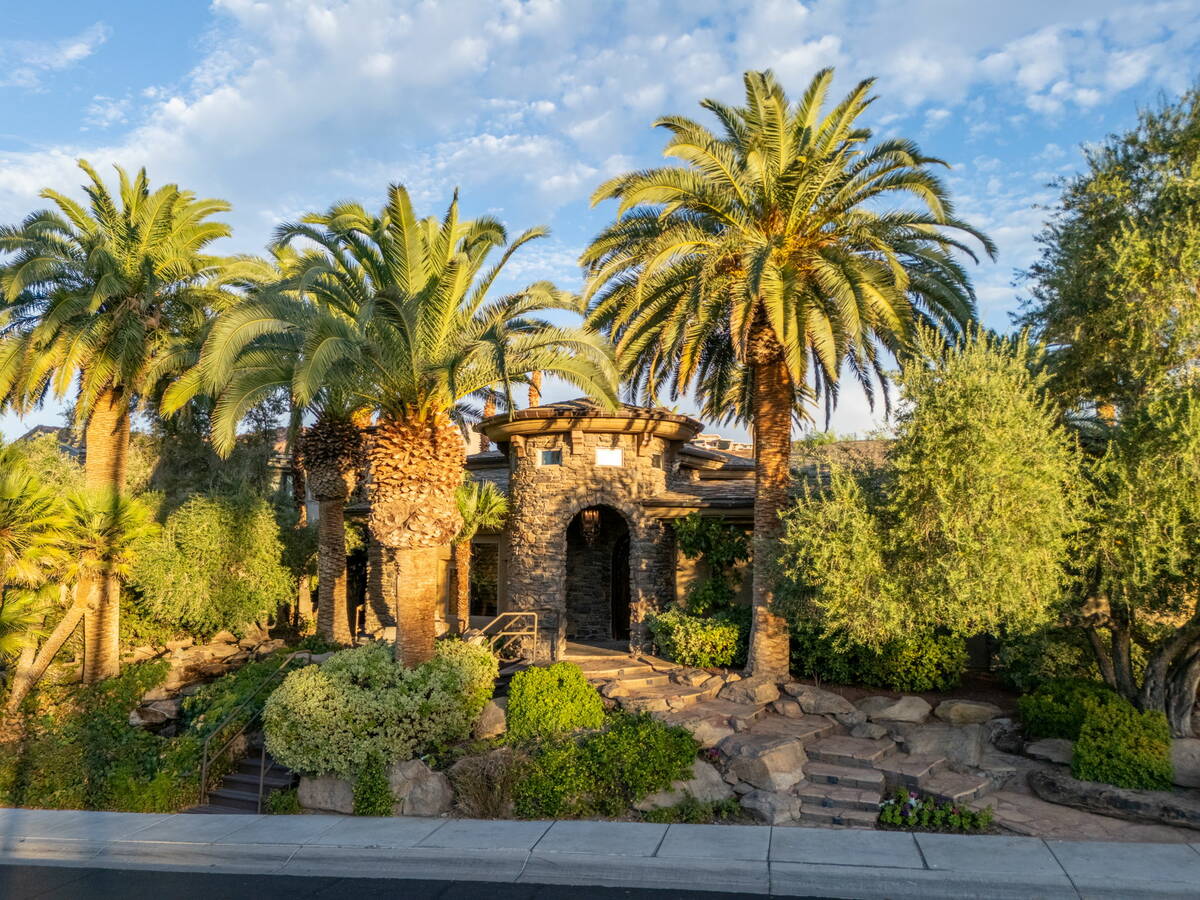
Landscaping. Nice landscaping creates good first impressions, but buyers rarely pay more for it. They expect the yard to look decent. A great yard does not add $20,000 to your value. A terrible yard can cost you, though.
Pool. In Las Vegas, pools are common and expected in certain price ranges. Having a pool does not make your home dramatically more valuable than similar homes without pools. In fact, some buyers see pools as a maintenance burden and prefer homes without them.
Smart home features. Buyers think smart thermostats and automated lighting are cool, but they are not paying extra for them. These features might help your home show well but do not justify higher pricing.
Recent HVAC or roof. A new AC or roof eliminates a buyer objection but does not add proportional value. You will not get $12,000 more for a new AC. You just will not lose a sale because of an old one.
What Buyers Mostly Ignore
Your personal upgrades. That $8,000 custom closet system you installed? Buyers might think it is nice, but they are not paying $8,000 extra for it. Personal taste improvements rarely return dollar-for-dollar.
Home office conversions. Converting a bedroom to an office or gym might have worked for your life, but buyers often see it as a lost bedroom and reduced versatility.
Expensive fixtures and finishes. Your $3,000 bathroom faucets are not adding $3,000 to your home value. Buyers see "nice bathroom," not "premium fixtures I should pay extra for."
Paint colors you love. Bold paint choices are polarizing. Some buyers love them. Many are mentally calculating repainting costs. Neutral colors appeal to more buyers.
Your emotional attachment. The fact that you raised your kids here or have happy memories does not affect market value. Buyers are buying a house, not your history.
What Turns Buyers Off
Some things actively hurt your sale:
Deferred maintenance. Peeling paint, broken fixtures, worn carpets, damaged screens. These signal neglect and make buyers wonder what else is wrong.
Odors. Pet smells, smoke, mustiness. Buyers notice immediately and often cannot get past it. Many will not even finish the showing.
Clutter and personal items. Buyers want to imagine themselves in the space. Your family photos, collections, and stuff get in the way of that visualization.
Dark rooms. Whether from heavy window treatments, dark paint, or poor lighting, dark spaces feel uninviting.
Dated bathrooms and kitchens. These are the spaces buyers focus on most. Dated finishes here hurt more than dated finishes elsewhere.
Implications for Sellers
Understanding buyer priorities should guide your preparation and pricing strategy:
Focus prep efforts on what matters. Clean aggressively. Brighten dark rooms. Fix obvious maintenance issues. Consider updates to kitchens and bathrooms if they are severely dated.
Do not over-invest in low-impact areas. Do not spend $15,000 on landscaping expecting to get it back. Do not assume expensive upgrades justify premium pricing.
Price based on comparable sales. Buyers compare your home to others in similar locations with similar features. Price based on that reality, not on what you spent or what you think it should be worth.
Eliminate turnoffs. Address odors, clutter, and deferred maintenance before listing. These are the things that lose sales.
Where to Start
If you are thinking about selling, start by looking at your home through a buyer's eyes. What would they love? What would they question? What might turn them off?
I help sellers prepare their homes strategically, focusing effort and money where it actually impacts the sale. Not every improvement is worth making. The key is knowing which ones matter.
Want a professional assessment of your home's strengths and weaknesses? Request a free home evaluation here or reach out directly to talk through your situation.
Frequently Asked Questions About What Las Vegas Home Buyers Want
Categories
- All Blogs (4859)
- Absentee Owner (4)
- Affordability (3)
- ALIANTE (53)
- Anthem (33)
- Ascension (50)
- Assumable Loan (1)
- Astra (50)
- BLACK MOUNTAIN (55)
- Buyers (22)
- Cadence (17)
- Calico Ridge (50)
- Canyon Fairways (50)
- CANYONS OF SUMMERLIN (55)
- CENTENNIAL HILLS (81)
- Comparisons (46)
- CROSSINGS IN SUMMERLIN (55)
- DESERT SHORES (47)
- Divorce (3)
- Downsizing (13)
- EAGLE HILLS (55)
- Empty Nester (1)
- Enterprise (1)
- EXPIRED LISTINGS (134)
- First Time Homebuyer (4)
- Green Valley (139)
- Henderson (82)
- HORIZONS EDGE (50)
- Housing Market Trends (100)
- Informative (112)
- Inspirada (58)
- Lake Las Vegas (2)
- Lakes Las Vegas (3)
- Las Vegas Real Estate (182)
- Local News (654)
- Luxury (1)
- MacDonald Highlands (88)
- MacDonald Ranch (100)
- Madeira Canyon (93)
- MESQUITE NV (103)
- MOUNTAIN TRAILS (50)
- Mountains Edge (79)
- Naked City (35)
- New Construction (131)
- North Las Vegas (24)
- Northgate (23)
- PALISADES SUMMERLIN (50)
- Probate (28)
- Providence (2)
- Quail Ridge (35)
- QUEENSRIDGE (56)
- Red Rock (1)
- RED ROCK COUNTRY CLUB (60)
- Relocating to Summerlin (207)
- Relocation (45)
- Retired (1)
- Retirement (1)
- Reverence (15)
- RHODES RANCH (64)
- Ridgebrook (40)
- Sellers (255)
- Seven Hills (83)
- Silverado Ranch (1)
- Silverstone Ranch (39)
- SKYE CANYON (100)
- SKYE CANYONE (4)
- Southern Highlands (94)
- Southwest (19)
- SPANISH TRAILS (55)
- SPRING VALLEY (70)
- Summerlin (104)
- Sun City Summerlin (3)
- The Arbors (37)
- The Cliffs (50)
- THE HILLS (55)
- THE PASEOS (55)
- The Pueblos (27)
- THE PUEBLOS OF SUMMERLIN (42)
- THE RIDGES (65)
- THE VISTAS OF SUMMERLIN (50)
- The Willows (60)
- Thoughts on Home Tour (2)
- TOURNAMENT HILLS (50)
- Veterans (3)
- WHITNEY RANCH (55)
- Workers Advantage Program (100)
Recent Posts







GET MORE INFORMATION