
Switch Buys South Valley Land for $86M | Ryan Rose
Related Stories
National Data Center Backlash Reaches Southern Nevada
A's Break Ground on $2 Billion Las Vegas Strip Ballpark
Vote Postponed on Lennar's 279-Home Project at Former Eastside Cannery Site
Data center owner Switch just paid nearly $86.2 million for 53.6 acres in the southern Las Vegas Valley, and the deal sits right next to neighborhoods full of homes. The land runs along the east side of Decatur Boulevard between Serene Avenue and Silverado Ranch Boulevard, an area that has filled in with houses, schools, and shopping over the past 20 years.
This is not a one-off purchase. It follows two other big Switch buys earlier in 2026, and it lands at a moment when people across Southern Nevada are asking hard questions about how much power and water these giant buildings need. For anyone who owns a home near Decatur and Silverado Ranch, this story hits close to home in the most literal way.
What Happened
Switch, the Las Vegas based data center company, closed on 53.6 acres in the south valley for close to $86.2 million. That works out to roughly $1.6 million per acre, which is a strong price for land in that part of the valley. The parcel sits on the east side of Decatur Boulevard, tucked between Serene Avenue to the north end and Silverado Ranch Boulevard to the south end.
If you know that stretch of the valley, you know it is not empty desert anymore. This is the Silverado Ranch and Mountains Edge side of town. It is packed with single family homes, townhomes, parks, and busy retail corners. A land deal this size, this close to rooftops, is the kind of thing neighbors notice fast.
The purchase is part of a pattern. Earlier in 2026, Switch bought 176 acres and then another 140 acres at the Apex Industrial Park up in North Las Vegas. Add the new 53.6 acres in the south valley, and the company has scooped up a huge amount of Southern Nevada dirt in a single year. Apex is the industrial zone built for exactly this kind of heavy use, out on the northeast edge of the valley away from most homes. The south valley parcel is different because of how close it sits to existing neighborhoods.
Switch has deep roots here. The company runs massive data campuses in the Las Vegas area already, and it has long marketed Southern Nevada as a smart place to store and move data because of the climate, the tax setup, and the connection to bigger western markets. The new land gives Switch more room to grow as demand for data storage and artificial intelligence computing keeps climbing. What is not fully clear yet is exactly what will rise on the south valley site, and that uncertainty is part of what has neighbors paying attention.
It helps to picture the exact spot. Decatur Boulevard is one of the main north-south roads on the west and south sides of the valley. Serene Avenue and Silverado Ranch Boulevard are the two big east-west streets that box in this parcel. Within a short drive of that corner you have thousands of homes in Silverado Ranch, Mountains Edge, and Southern Highlands, plus schools, a hospital corridor, and everyday shopping. This is a mature, lived-in part of Las Vegas, not a far-flung edge of the map. That context is what turns a routine land sale into something residents want to understand.

Why It Matters to Las Vegas Residents
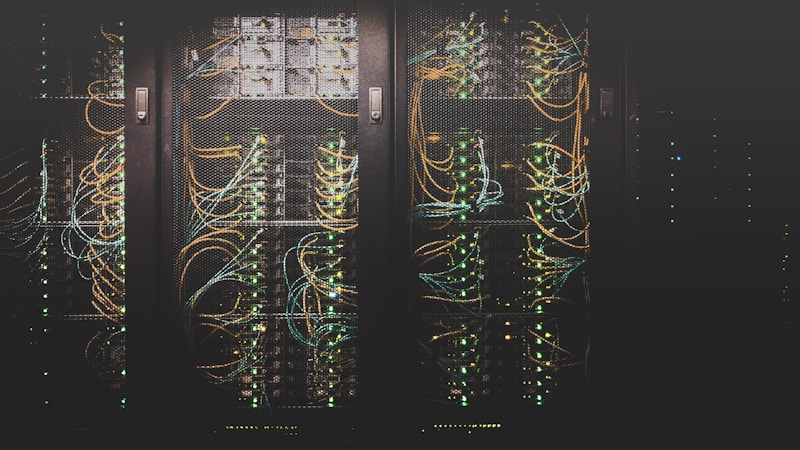
Data centers are not like a new grocery store or a park. They are giant windowless buildings stuffed with computer servers that run day and night. Those servers pull enormous amounts of electricity, and many need large volumes of water to stay cool. When a project like this lands near homes, people start asking about their power bills, their water supply, and what the view out the back window is going to look like.
The power question is the big one. Southern Nevada already leans hard on NV Energy to keep the lights on through brutal summers. A single large data center can use as much electricity as thousands of homes. When many of them cluster in one region, the strain on the grid grows. Homeowners worry that this demand could push up rates or make outages more likely on the hottest days. Those are fair concerns, and they are exactly what residents are raising across the valley right now.
Then there is water. Las Vegas sits in a desert and relies heavily on Lake Mead, which has struggled for years. Some data centers use a lot of water to cool their equipment, while newer designs use far less. Neighbors near the Decatur site want to know which kind is coming. In a place where water is always front of mind, that is not a small detail.
For homeowners, there is also the plain question of property value and quality of life. Nobody loves the idea of a huge industrial building next to a family neighborhood. Traffic during construction, noise from cooling systems, and the sheer size of these facilities all shape how a nearby home feels and how it sells later. On the flip side, data centers bring construction jobs, ongoing tax revenue, and high paying technical positions. They fill land that might otherwise sit vacant. The real answer for any single neighborhood depends on the details of the project, and those details are what residents should be watching for.
It is also worth being honest about the flip side of the housing debate. Land is scarce in Southern Nevada, and much of what could be built on sits under federal control. When a data center company pays top dollar for a large parcel near neighborhoods, that is land that will not become new homes. In a valley where people constantly ask why houses cost so much, some residents look at deals like this and worry that industrial buyers are outbidding home builders for the little developable ground that is left. That tension between tech growth and housing supply is one of the quieter but more important pieces of this story.
None of this means the sky is falling for nearby owners. Homes near well-run, low-water facilities have held their value in other parts of the valley, and a quiet building with no nightly traffic can be a gentler neighbor than a busy retail center or a warehouse with round-the-clock trucks. The point is simply that the outcome is not automatic. It depends on choices that have not been made yet, which is exactly why paying attention now is worth your time.

Background and History
Southern Nevada has been a magnet for data centers for well over a decade. The reasons are simple. Nevada has a friendly tax climate, plenty of open land compared with coastal states, low risk of earthquakes and hurricanes, and fast fiber connections to major western hubs like Los Angeles and Phoenix. Switch helped put Las Vegas on the map for this industry with its large campuses, and other operators followed.
For years, most of these projects went into industrial zones far from homes, places like the Apex Industrial Park in North Las Vegas. Apex was designed for heavy uses that most people never see up close. That kept the growth mostly out of sight and out of mind for the average homeowner. As land in those zones filled up and demand exploded, companies began looking at parcels closer to the heart of the valley. That is how deals near neighborhoods, like this one on Decatur, started showing up.
The bigger driver behind all of it is artificial intelligence. The rush to build AI tools has sent demand for computing power through the roof. Every AI system needs servers, and those servers need buildings, power, and cooling. Companies are racing to secure land and electricity anywhere they can. Southern Nevada, with its space and its business friendly rules, sits right in the path of that race. Switch buying 53.6 acres in the south valley, on top of more than 300 acres at Apex this year, is a direct result of that boom.
At the same time, the mood around these projects has started to shift. Residents in Henderson and across Clark County have begun pushing back, echoing a national debate about whether data centers use too much power and water for the number of local jobs they create. That growing backlash is the backdrop against which this latest Switch purchase landed, and it is why an $86 million land deal became local news instead of a quiet corporate transaction.
Switch itself is a familiar name to many locals. The company has been part of the Las Vegas business landscape for years and built its reputation on large, secure data campuses. That history cuts both ways in the current climate. Supporters point to the jobs and tax base the company has helped create. Critics point out that even a well-known local company adds to the same power and water pressures that have people worried. When the buyer is a name people recognize rather than an out-of-state newcomer, the conversation tends to get more detailed, not less.
What Happens Next
The land purchase is just the first step. Before anything gets built, a project of this size usually has to move through Clark County's planning and zoning process. That can include public hearings where nearby residents get a chance to speak, ask questions, and raise concerns. If you live near Decatur and Silverado Ranch, those meetings are the place to make your voice heard, and they are worth watching for on the county's agendas.
Expect the details to come out in stages. Switch will need to spell out how big the facility would be, how much power it would draw, how it would handle cooling and water, and how it would manage traffic and noise. County staff will review those plans and make recommendations. Elected commissioners will weigh the tax revenue and jobs against the concerns from neighbors. All of that plays out in public, and it can take months.
Keep an eye on the wider valley too. Henderson has been weighing a possible pause on new data center projects, and what happens there could shape how Clark County handles requests like this one. If the pushback grows, local leaders may add new rules on power use, water use, or how far these buildings must sit from homes. The south valley Switch site could end up being an early test of how the region balances tech growth against neighborhood concerns.
There is also the simple question of timing. Buying land and building on it are two very different things. Companies often secure parcels well before they are ready to break ground, sometimes holding them for years while they line up power agreements and permits. So neighbors should not assume construction crews are showing up next month. The smart move is to treat this purchase as an early warning to start paying attention, not as a signal that everything is already decided. The louder and clearer the public conversation is at the front end, the more say residents tend to have in the final result.

Ryan's Take
As someone who helps families buy and sell homes across the valley, I watch land deals like this closely, because they shape neighborhoods for decades. My honest take is that this is neither the disaster some fear nor the pure win some boosters claim. It is a big change coming to a part of town that is already built out, and the details will decide whether it helps or hurts the homes around it.
If you own near Decatur and Silverado Ranch, I would not panic, and I would not ignore it either. Data centers are quiet once they are running, they generate no retail traffic, and they bring tax dollars that fund local services. But size, water use, and how close the building sits to homes all matter. My advice is to stay informed, show up to the hearings, and ask the specific questions that affect your street. An informed neighborhood almost always gets a better outcome than a silent one. If you are buying or selling in the south valley right now, factor this into your plans, and let's talk through exactly how it could touch your address.

What You Can Do
Start by getting on Clark County's radar for updates. The county posts planning commission and board of commissioners agendas online, and land use items for the Decatur and Silverado Ranch area will show up there when the project moves forward. Reading those agendas ahead of time lets you know when a hearing is coming so you can plan to attend or send a comment.
Talk to your neighbors. Land use decisions are almost always shaped by how organized the surrounding community is. A group of residents who show up together, ask clear questions about power, water, noise, and setbacks, and stay respectful tends to get real answers and sometimes real changes. Homeowners associations in the area can be a good place to share information and coordinate.
Do your own homework on the site too. You can look up the parcel and its zoning through Clark County records, and you can follow local news outlets that cover development for updates as plans firm up. Knowing whether the land is already zoned for this kind of use, or whether Switch will have to request a change, tells you a lot about how much room there is for public input. A zoning change usually means more hearings and more chances to weigh in.
And if this news has you thinking about what it means for your specific home, whether you should buy, sell, or simply understand your value, reach out. I track development across the valley and can walk you through how a project like this might affect your neighborhood and your equity. Whether you are five years from selling or shopping for a home near this corner right now, it helps to go in with clear eyes about what is planned nearby.
Have questions about how this affects your home or neighborhood? Reach out to Ryan Rose or text/call 702-747-5921 anytime.
Sources
Categories
- All Blogs (4796)
- Absentee Owner (4)
- Affordability (3)
- ALIANTE (53)
- Anthem (33)
- Ascension (50)
- Assumable Loan (1)
- Astra (50)
- BLACK MOUNTAIN (55)
- Buyers (22)
- Cadence (17)
- Calico Ridge (50)
- Canyon Fairways (50)
- CANYONS OF SUMMERLIN (55)
- CENTENNIAL HILLS (81)
- Comparisons (46)
- CROSSINGS IN SUMMERLIN (55)
- DESERT SHORES (47)
- Divorce (3)
- Downsizing (13)
- EAGLE HILLS (55)
- Empty Nester (1)
- Enterprise (1)
- EXPIRED LISTINGS (134)
- First Time Homebuyer (4)
- Green Valley (139)
- Henderson (82)
- HORIZONS EDGE (50)
- Housing Market Trends (100)
- Informative (112)
- Inspirada (58)
- Lake Las Vegas (2)
- Lakes Las Vegas (3)
- Las Vegas Real Estate (182)
- Local News (591)
- Luxury (1)
- MacDonald Highlands (88)
- MacDonald Ranch (100)
- Madeira Canyon (93)
- MESQUITE NV (103)
- MOUNTAIN TRAILS (50)
- Mountains Edge (79)
- Naked City (35)
- New Construction (131)
- North Las Vegas (24)
- Northgate (23)
- PALISADES SUMMERLIN (50)
- Probate (28)
- Providence (2)
- Quail Ridge (35)
- QUEENSRIDGE (56)
- Red Rock (1)
- RED ROCK COUNTRY CLUB (60)
- Relocating to Summerlin (207)
- Relocation (45)
- Retired (1)
- Retirement (1)
- Reverence (15)
- RHODES RANCH (64)
- Ridgebrook (40)
- Sellers (255)
- Seven Hills (83)
- Silverado Ranch (1)
- Silverstone Ranch (39)
- SKYE CANYON (100)
- SKYE CANYONE (4)
- Southern Highlands (94)
- Southwest (19)
- SPANISH TRAILS (55)
- SPRING VALLEY (70)
- Summerlin (104)
- Sun City Summerlin (3)
- The Arbors (37)
- The Cliffs (50)
- THE HILLS (55)
- THE PASEOS (55)
- The Pueblos (27)
- THE PUEBLOS OF SUMMERLIN (42)
- THE RIDGES (65)
- THE VISTAS OF SUMMERLIN (50)
- The Willows (60)
- Thoughts on Home Tour (2)
- TOURNAMENT HILLS (50)
- Veterans (3)
- WHITNEY RANCH (55)
- Workers Advantage Program (100)
Recent Posts





GET MORE INFORMATION