
Data Center Backlash Hits Southern Nevada | Ryan Rose
Related Stories
Switch Buys 53.6 Acres in South Valley for $86.2 Million
Henderson City Council Approves Flat FY 2026-2027 Budget
A's Break Ground on $2 Billion Las Vegas Strip Ballpark
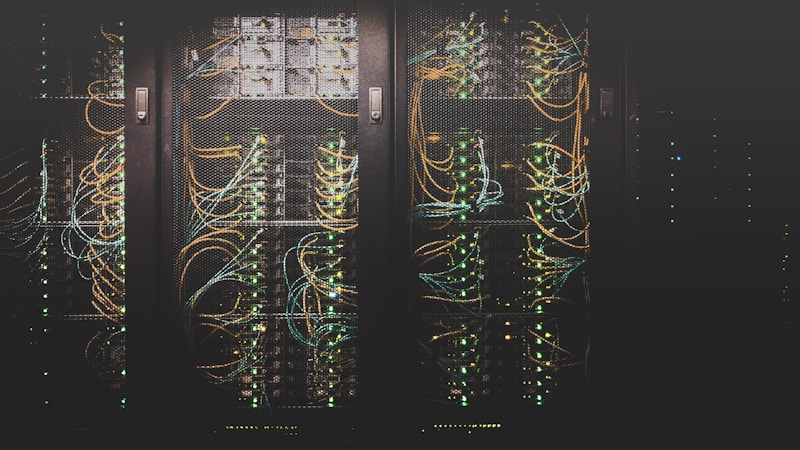
The fight over giant AI data centers has landed in Southern Nevada, and it is getting loud. Late June coverage laid out how the national debate over these massive computer warehouses has reached our valley, with Henderson now weighing a moratorium while Clark County keeps approving new projects. City and county leaders are worried about three big things: how much electricity these buildings pull from the grid, how much water they use in the middle of a desert, and whether local neighborhoods can handle the growth.
This matters to anyone who owns a home, pays a power bill, or plans to buy here. Data centers are the buildings that run the internet, cloud storage, and now artificial intelligence. They are hungry for power and land. When one lands near your neighborhood, it can change the feel of the area, strain shared resources, and stir up a real argument at city hall. Here is what is happening, why people are upset, and what to watch for in the months ahead.
What Happened
In late June 2026, the Las Vegas Review-Journal reported that the national reckoning over AI data centers had officially reached Southern Nevada. For years, our region welcomed these projects with open arms. Cheap land, plenty of sunshine for solar power, and a business-friendly attitude made Nevada a magnet for tech companies. Now the mood is shifting. Residents and some officials are asking whether the valley is giving away too much.
The city of Henderson is at the center of the local story. Officials there are weighing a moratorium, which is a temporary pause on approving new data center projects. A pause would give the city time to study the effects and write clearer rules before more buildings go up. Henderson is not alone in thinking this way. Reno, up north, already hit pause on data centers through August 2027. That decision gave neighbors to the north a head start on the same questions Henderson is now facing.
While Henderson considers slowing down, Clark County continues to move forward. The county keeps approving projects, including expansions tied to Switch, one of the biggest data center companies in the state. Switch recently bought 53.6 acres in the southern Las Vegas Valley for nearly $86.2 million, along Decatur Boulevard between Serene Avenue and Silverado Ranch Boulevard. That deal followed earlier 2026 purchases of 176 acres and 140 acres at Apex Industrial Park in North Las Vegas. The company is clearly not slowing down, even as the debate heats up.
The concerns officials raised fall into a few buckets. First is electricity demand. These centers run thousands of computers around the clock, and the power draw is enormous. Second is water use, since many data centers use water to cool their equipment, and Southern Nevada is one of the driest places in the country. Third is grid strain, the worry that adding so much demand could push up costs or stress the system for everyone else. Put together, these worries are what turned a quiet approval process into a public fight.
It helps to picture the scale we are talking about. A single large AI data center can use as much power as tens of thousands of homes. When several of these buildings cluster in one area, the combined demand starts to look like adding a small city to the grid overnight. That is a big deal in a region that already sets summer records for electricity use as air conditioners run flat out through July and August. Officials are not against tech jobs or investment. They are asking a fair question: can the valley add this much demand this fast without creating problems for the families who already live here?
Why It Matters to Las Vegas Residents
If you live in Clark County, this is not just a tech story. It touches your monthly bills, your water supply, and the value of your home. Let us break down each piece so it is clear why so many neighbors are paying attention.
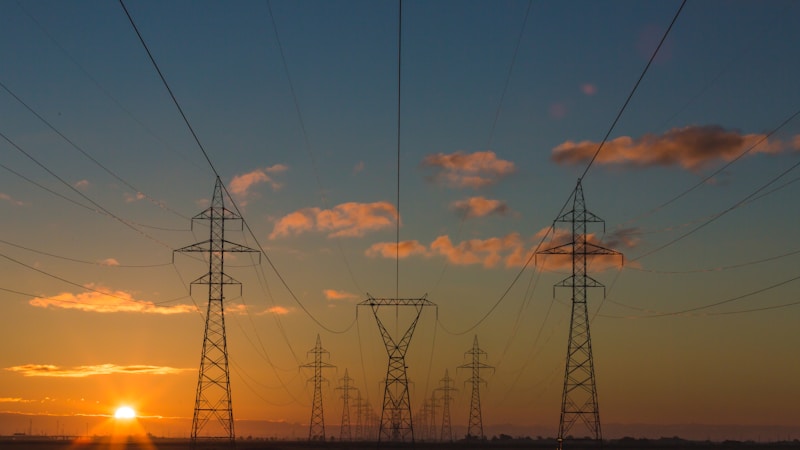
Start with your power bill. Data centers use a staggering amount of electricity. When a utility has to build more power plants or buy more energy to serve these giant customers, those costs can ripple out to regular ratepayers. Homeowners and renters worry that they could end up helping to pay for infrastructure that mostly benefits a handful of tech companies. Nobody wants to open a NV Energy bill and find a surprise increase tied to growth they never voted for.
Then there is water. We live in a desert, and the Colorado River that feeds Lake Mead has been shrinking for years. Water is precious here, and residents guard it closely. Some data centers use water-based cooling systems that can consume large volumes. Even when companies promise to use air cooling or recycled water, neighbors want proof, not promises. When a project near your home could tap into a stressed water supply, it feels personal. Families who follow tight watering schedules and pay for xeriscaping do not love the idea of a warehouse using more water than a small town.
Finally, think about your neighborhood and your home value. A data center is not a park or a shopping center. It is a large, windowless building with backup generators, cooling equipment, and heavy truck traffic during construction. Some residents worry about noise from cooling fans and generators. Others worry about what a huge industrial neighbor does to the appeal of nearby homes. On the flip side, supporters point to the jobs, tax revenue, and land sales these projects bring. The truth is somewhere in between, and it depends heavily on where a center is built and how well it is managed.
There is also a fairness question that gets people fired up. Data centers create a lot of jobs during construction, but they run with fairly small permanent staffs once they are open. That means the long-term payoff for local workers can be smaller than the giant footprint suggests. Residents want to know that the trade is worth it. If a project uses a big share of scarce power and water but hires only a handful of full-time workers, neighbors will push hard to see the tax benefits spelled out in plain numbers. When the math is clear and honest, communities tend to be far more open to saying yes.
Background and History
Nevada did not become a data center hub by accident. The state spent years courting tech companies with tax incentives and easy permitting. Switch built its massive campuses here and became a household name in the industry. The pitch was simple: bring your servers to Nevada, enjoy low costs and stable ground with few earthquakes, and power everything with growing solar energy. For a long time, the deal looked like a clear win for the local economy.
Then artificial intelligence exploded. AI models need enormous computing power to train and run, and that sent demand for data centers through the roof across the entire country. Suddenly companies were racing to buy land and build as fast as possible. What used to be a steady trickle of projects turned into a flood. That speed is exactly what put communities on edge, both here and nationwide.

The backlash is a national trend. Across the United States, towns and cities have pushed back on data centers over the same issues we are seeing here: power, water, noise, and land use. Some places have paused approvals, some have written strict new rules, and some have rejected projects outright. Reno's decision to pause data centers through August 2027 was Nevada's first big signal that the honeymoon was ending. Now that same conversation has traveled south to Henderson and Clark County.
What makes Southern Nevada unique is the water pressure. Many other parts of the country do not think twice about water, but here it is a defining issue. Combine that with rapid growth in housing and a grid that already works hard through brutal summers, and you have a recipe for a heated debate. The valley has always had to balance growth against limited resources. Data centers are just the newest and largest test of that balance.
What Happens Next
The near-term action to watch is in Henderson. If the city moves ahead with a moratorium, it would put a temporary hold on new data center approvals while officials study the issue and possibly write new zoning or resource rules. Any moratorium vote would happen at a public city council meeting, which means residents can show up and speak. These meetings are often where the loudest arguments and the most useful information come out.
At the county level, expect Clark County to keep processing projects unless leaders there decide to slow down too. Switch and other companies still hold plenty of land, so more expansion is likely. Each new project typically goes through a planning commission and sometimes a county commission vote, and those hearings are open to the public. If a specific site near your home is proposed, that is the stage where neighbors can weigh in before anything is final.
Longer term, watch for new rules about power and water. Officials may push companies to prove they will use recycled water, air cooling, or their own dedicated power sources. NV Energy and state regulators will play a role in deciding how the added electricity demand is handled and who pays for it. The outcome of these decisions will shape not just where data centers go, but how much they cost the rest of us. This is a story that will unfold across many meetings over the coming year, not one single vote.
Reno's pause is worth keeping in view as a preview. That moratorium runs through August 2027, and how it plays out will teach Southern Nevada a lot. If Reno comes out of it with clear, workable rules that still attract good projects, Henderson and Clark County may copy the playbook. If the pause scares off investment or drags on with no clear answers, local leaders here may choose a lighter touch. Either way, our region is watching a live experiment unfold just a few hours up the road, and the lessons will feed directly into the choices made in the valley.
Ryan's Take
As a local real estate agent, I look at this through the lens of what it means for your home and your neighborhood. Data centers are not automatically bad news. When they are placed in true industrial zones, away from homes, they can bring tax revenue and land sales that help fund roads, schools, and services. That is a real benefit for a fast-growing valley. The problem comes when big industrial projects creep too close to where people live, or when the shared costs of water and power land on regular homeowners instead of the companies driving the demand.
If you are buying a home right now, it is worth checking what is planned or zoned near the property you love. A quiet lot today could sit next to a large facility in a few years. That does not mean you should panic, but it does mean you should ask questions and look at the surrounding land. For sellers, a nearby data center is one more thing buyers may ask about, so it helps to know the facts. My honest read is that Southern Nevada will keep growing and keep attracting these projects, but the days of quiet, automatic approvals are over. Smart planning now protects both our resources and your property value.

What You Can Do
The most powerful thing you can do is show up and pay attention. If you live in Henderson, keep an eye on the city council agenda for any data center moratorium item, and consider attending or submitting a public comment. City council and planning meetings are open to residents, and officials do listen when enough neighbors speak up. You can find meeting schedules and agendas on the city of Henderson website, and Clark County posts its own planning and commission agendas online too.
You can also get informed before a project is even proposed. If you are looking at a home in a growing part of the valley, ask about the zoning of nearby vacant land. Land marked for industrial or heavy commercial use is where these facilities tend to go. Knowing that ahead of time helps you make a smart choice, whether you are buying, selling, or just planning to stay put. A little homework now can save you a big surprise later.
It also pays to talk to a local expert who watches these trends every day. If you are weighing a purchase in a fast-changing part of the valley, a good agent can tell you which corridors are drawing industrial interest and which pockets are protected by residential zoning. That kind of local knowledge is hard to find on a listing site, and it can make the difference between a home that holds its value and one that ends up next to a warehouse district. Never be shy about asking what the empty land down the street is zoned for before you sign anything.
Finally, stay plugged into trusted local news. This debate will play out over many months, and the details matter. Follow reporting from outlets covering Southern Nevada development, and watch for updates on water and power rules from NV Energy and state regulators. The more residents who understand the trade-offs, the better the final decisions will be for everyone who calls the valley home. Growth is coming either way. The question is whether we grow in a way that protects the water, power, and neighborhoods that make Southern Nevada worth living in.
Have questions about how this affects your home or neighborhood? Reach out to Ryan Rose or text/call 702-747-5921 anytime.
Sources
Las Vegas Review-Journal: The nation's data center debate has reached Southern Nevada
Las Vegas Review-Journal: Data center owner buys more land in Southern Nevada for $86M
Categories
- All Blogs (4796)
- Absentee Owner (4)
- Affordability (3)
- ALIANTE (53)
- Anthem (33)
- Ascension (50)
- Assumable Loan (1)
- Astra (50)
- BLACK MOUNTAIN (55)
- Buyers (22)
- Cadence (17)
- Calico Ridge (50)
- Canyon Fairways (50)
- CANYONS OF SUMMERLIN (55)
- CENTENNIAL HILLS (81)
- Comparisons (46)
- CROSSINGS IN SUMMERLIN (55)
- DESERT SHORES (47)
- Divorce (3)
- Downsizing (13)
- EAGLE HILLS (55)
- Empty Nester (1)
- Enterprise (1)
- EXPIRED LISTINGS (134)
- First Time Homebuyer (4)
- Green Valley (139)
- Henderson (82)
- HORIZONS EDGE (50)
- Housing Market Trends (100)
- Informative (112)
- Inspirada (58)
- Lake Las Vegas (2)
- Lakes Las Vegas (3)
- Las Vegas Real Estate (182)
- Local News (591)
- Luxury (1)
- MacDonald Highlands (88)
- MacDonald Ranch (100)
- Madeira Canyon (93)
- MESQUITE NV (103)
- MOUNTAIN TRAILS (50)
- Mountains Edge (79)
- Naked City (35)
- New Construction (131)
- North Las Vegas (24)
- Northgate (23)
- PALISADES SUMMERLIN (50)
- Probate (28)
- Providence (2)
- Quail Ridge (35)
- QUEENSRIDGE (56)
- Red Rock (1)
- RED ROCK COUNTRY CLUB (60)
- Relocating to Summerlin (207)
- Relocation (45)
- Retired (1)
- Retirement (1)
- Reverence (15)
- RHODES RANCH (64)
- Ridgebrook (40)
- Sellers (255)
- Seven Hills (83)
- Silverado Ranch (1)
- Silverstone Ranch (39)
- SKYE CANYON (100)
- SKYE CANYONE (4)
- Southern Highlands (94)
- Southwest (19)
- SPANISH TRAILS (55)
- SPRING VALLEY (70)
- Summerlin (104)
- Sun City Summerlin (3)
- The Arbors (37)
- The Cliffs (50)
- THE HILLS (55)
- THE PASEOS (55)
- The Pueblos (27)
- THE PUEBLOS OF SUMMERLIN (42)
- THE RIDGES (65)
- THE VISTAS OF SUMMERLIN (50)
- The Willows (60)
- Thoughts on Home Tour (2)
- TOURNAMENT HILLS (50)
- Veterans (3)
- WHITNEY RANCH (55)
- Workers Advantage Program (100)
Recent Posts






GET MORE INFORMATION