
Switch Filed Plans for a 175-Acre Data Center Campus at Apex in North Las Vegas
Related Stories
Henderson Data Center Plan Withdrawn
BLM Revisits Boulder City Data Center
County Islands Deal Delayed to Oct. 7
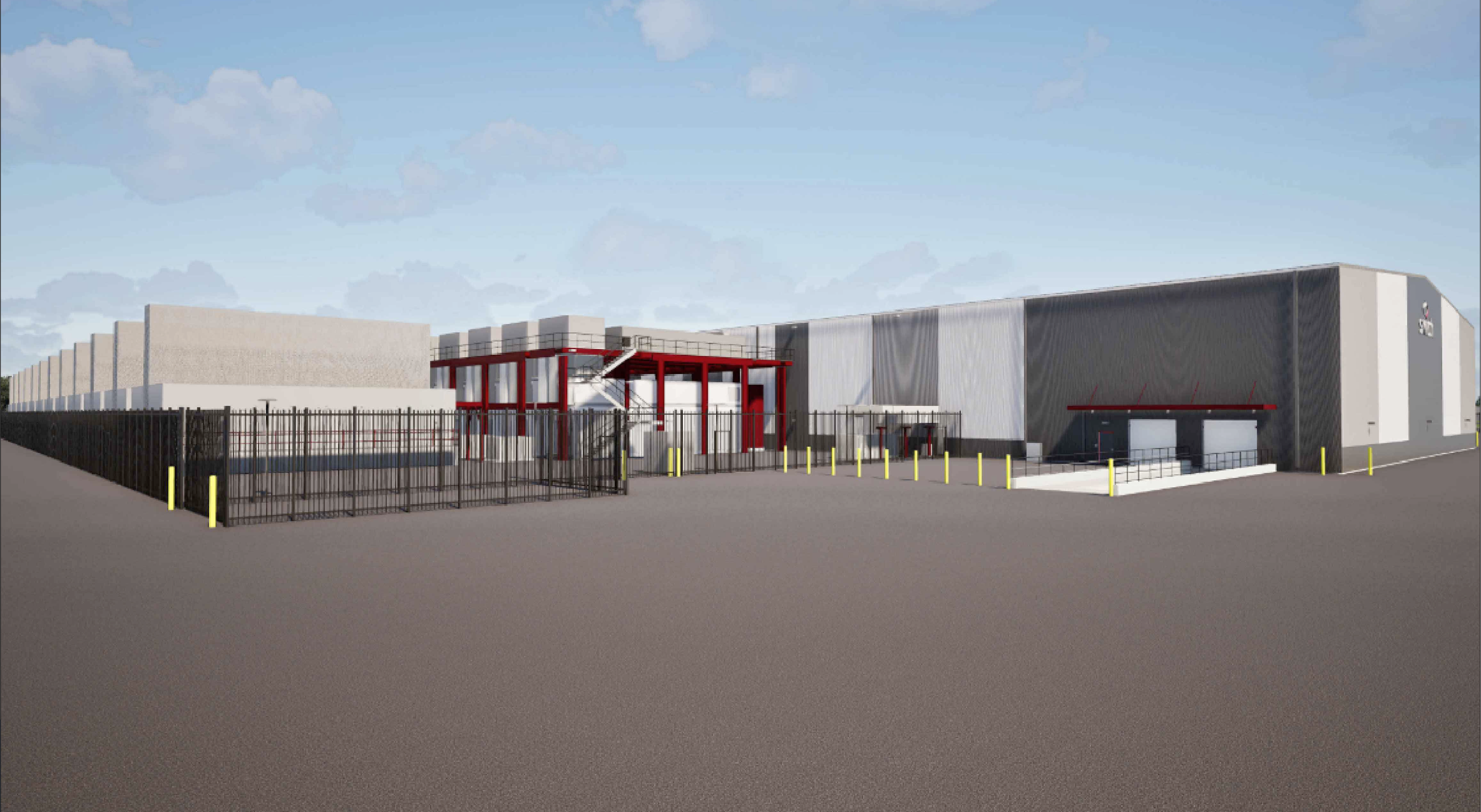
Switch has filed plans with the City of North Las Vegas for a data center campus of about 175.8 acres at the Apex Industrial Park, near Apex Power Parkway and US-93. It is the first real look at what the Las Vegas data center company wants to build on the land it has been buying out at Apex, and it is one of the biggest land-use proposals the northeast valley has seen this year.
A few weeks ago, the story was about Switch buying dirt. Now it is about buildings. According to a letter of intent obtained by KTNV 13, the campus would cover 14 parcels and include about 486,250 square feet of buildings. That includes two data center buildings, a substation, a switching station, and more.
If you live anywhere in Clark County, this matters for a simple reason. Data centers use a lot of power. They are also at the center of a valley-wide conversation about electric demand, water, tax breaks, and what kind of growth Southern Nevada wants. This proposal puts North Las Vegas right in the middle of that conversation.
Here is what was filed, what we know, what we do not know yet, and what it could mean for homeowners and families across the valley.
What Happened
On Sept. 23, 2026, KTNV 13 reported that Switch had submitted plans for a data center campus in North Las Vegas. The station obtained a letter of intent from the company. A letter of intent is an early document that tells the city what a company wants to build and where. It is not an approval. It is the start of the process.
Here is what the letter of intent and the related filings describe. The campus would sit on 14 parcels of land totaling about 175.8 acres. The site is near Apex Power Parkway and US-93, inside the Apex Industrial Park in the far northeast part of the valley. The buildings would total an estimated 486,250 square feet, according to Switch.
Documents the company sent to the city in August list six pieces of the campus:
- Two data center buildings
- One fire pump house
- One substation with a control house building
- One switching station
- One logistics office building
Two items on that list stand out. A substation and a switching station are electric infrastructure. A substation steps power down from high-voltage transmission lines so a site can use it. A switching station helps route power on the grid. When a project plans its own substation, it usually means it expects to draw a large amount of electricity. That is normal for a data center, and it is why power is always part of the data center conversation in Nevada.
What the filings reported so far do not tell us is just as important. The public reports do not include a construction timeline, a total dollar cost for the buildings, a job count, or how much power or water the campus would use. Those are the questions residents will want answered as the plans move through the city. Until those numbers are made public, nobody should guess at them.
This is also not the first time Switch and Apex have been in the news together. We covered the company's land purchases on Sept. 14. At that time, the Las Vegas Review-Journal reported that Switch bought 176.5 acres at Apex for $196 million in a sale that closed Aug. 31. Back in May, KTNV reported that Switch had purchased more than 300 acres in the Apex area for roughly $200 million, citing the Clark County Assessor's website. The new filing is different. It is the first set of site plans showing what could actually go on the ground.
Why It Matters to Las Vegas Residents
Most people in the valley will never drive past this site. Apex sits roughly 20 miles from downtown North Las Vegas, according to KTNV, out along US-93 and I-15 north of the city. So why should a family in Henderson, Summerlin, or Aliante care about two buildings in the desert?
The first reason is power. Every home in Southern Nevada shares the same electric system. Big new users like data centers add demand to that system. How that demand gets paid for, and who pays for the new power plants and power lines it needs, is one of the biggest questions in Nevada right now. That debate is happening at the state level, and projects like this one add weight to it. When you open your power bill in the future, decisions made about big users like data centers are part of the story.
The second reason is water. Southern Nevada lives on a tight water budget. In May, KTNV reported that, according to the Las Vegas Valley Water District, Switch used roughly 340 million gallons of water in 2025 at its existing operations. The station compared that to about 514 Olympic-sized swimming pools. How much water a new Apex campus would use has not been made public. That is a fair question for residents to ask as the plans move forward, and it is one the city and the company will likely be asked at public meetings.
The third reason is jobs and the local economy. Apex has turned into one of the biggest industrial hubs in Southern Nevada. A Kroger warehouse and a Crocs distribution center are already out there. Industrial growth in North Las Vegas brings construction work, long-term jobs, and property tax revenue. Data centers tend to have fewer permanent workers than warehouses once they are built, but they bring large construction projects and pay property taxes on very expensive equipment. The job count for this campus has not been released, so it is too early to say what the local payoff would be.
The fourth reason is tax breaks. Nevada has offered tax incentives to attract data centers for years. Supporters say those deals help bring investment and tech jobs to the state. Critics say big companies should pay more toward schools and services. Both sides have real points, and this proposal is sure to bring that conversation back to the table. Whether Switch will seek any new incentives for this campus has not been reported.
Background and History
Switch is a hometown company. It is based in Las Vegas and runs a very large data center campus in the southwest valley near Jones Boulevard and the 215 Beltway. If you have driven that stretch of the Beltway, you have seen the long, dark buildings. That campus is one of the main reasons Las Vegas became known as a data center market in the first place.
Apex has a longer story. For years it was mostly empty land with a lot of promise and not much infrastructure. Over the last several years, roads, utilities, and big users have finally started to arrive. Today the Apex Industrial Park is a major hub for industrial growth in Southern Nevada. Switch would not be the only data center company in North Las Vegas either. KTNV reports that the city already has several others, including Flexential, ColoXchange Nevada, Sierra Health Services, T-Mobile, and Novva Data Centers.
Data centers have been a steady theme in local news this year. This same week, a Texas developer withdrew its plan for a 1,000-megawatt data center and natural gas plant near Henderson. The Bureau of Land Management also asked to set aside its own approval of a data center project near Boulder City. You can read both of those stories in the Related Stories links at the top of this page. Each case is different, but together they show how much pressure there is to build data centers in Southern Nevada, and how much local pushback some projects face.
The Apex land purchase itself drew concern earlier this year. In May, KTNV spoke with a local advocate who worried about water use and heat from another large data center, and who started a petition asking Switch to be more open about its plans. At that time, the City of North Las Vegas said it had no plans it could share, and Switch did not respond to requests for comment. The new letter of intent answers the first big question, which is what Switch wants to build. It does not yet answer the questions about power and water.

What Happens Next
A letter of intent is step one. In North Las Vegas, as in most Nevada cities, a project of this size typically goes through city staff review before it reaches any public hearing. Depending on what the site needs, that can include things like site plan review, zoning checks, and permits for the substation and other utility work. Some items may go to the Planning Commission or City Council, where the public can comment. The city has not announced a hearing date for this proposal in the reports available so far.
Power is the other big piece. A campus that plans its own substation has to line up electric service with the utility. Large new loads in Nevada also get attention from state regulators, since new demand can affect planning for the whole grid. How and when this campus would connect to power has not been made public. Watch for that detail. It is often the factor that decides how fast a data center actually gets built.
Here is what to keep an eye on over the next few months:
- Any North Las Vegas Planning Commission or City Council agenda item that lists Switch or Apex Power Parkway
- A construction timeline or phasing plan from the company
- Public numbers on power demand, water use, and cooling methods
- A permanent job count and construction job estimate
- Any request for state or local tax incentives
It also helps to know how this case is different from the other data center stories in the news. The Henderson proposal that was just withdrawn and the Boulder City project now under review both involved federal land managed by the BLM. That adds a whole extra layer of federal review and appeals. The Switch campus, based on what has been reported, is a company building on land it bought inside an established industrial park in North Las Vegas. That does not mean the project gets a free pass, but it does mean the path forward will run mostly through the city, not through federal agencies.
We will keep covering this as new filings and meeting dates come out.
Ryan's Take
Here is how I look at it as someone who helps people buy and sell homes all over the valley. Apex is far from where people live, and that is a good thing for this kind of project. A data center campus out at Apex will not change the view out of anyone's back window. The closest neighborhoods in the northern part of North Las Vegas are miles away. So I do not expect this to move home values directly in any neighborhood. What I do expect is that it adds to the long-term story of North Las Vegas as a place where big employers want to be. Jobs and a stronger tax base are what make a city's neighborhoods more attractive over time, and North Las Vegas has been building that story for years.
The part I would watch as a homeowner is the shared stuff: power and water. Every one of us is on the same grid and the same water system. When buyers ask me about the cost of living in Las Vegas, utility bills come up more and more, especially in summer. I am not for or against this project. I just think residents deserve clear numbers on how much power and water it will use before it gets approved, and I think most people across the valley would agree with that no matter where they stand on data centers.
What You Can Do
First, stay informed. The City of North Las Vegas posts its Planning Commission and City Council agendas online before each meeting. If this project reaches a public hearing, it will show up there. Search the agenda for "Switch" or "Apex Power Parkway." Public meetings usually allow comment in person, and many cities accept written comments too. If you care about power or water use, a short, respectful comment asking for those numbers is one of the most useful things you can do.
Second, if you want to see who owns land at Apex, the Clark County Assessor's website lets anyone look up parcel ownership. That is the same public source KTNV used to report the Switch land buys back in May. It is a great tool for any homeowner who wants to know what is happening near them, whether that is an industrial park or an empty lot down the street.
Third, if you live in North Las Vegas or are thinking about moving there, pay attention to where growth is headed. Big industrial projects at Apex tend to bring jobs, roads, and services north over time. That can shape which parts of the city grow next. If you want to talk through how growth in the northeast valley fits into your plans to buy or sell, that is exactly the kind of conversation I enjoy having.
Finally, keep an eye on your own utility use. You cannot control what gets built at Apex, but you can control how your home uses power and water. Simple steps like a smart thermostat, better insulation, and desert landscaping can lower your bills no matter what happens with the grid. They can also make your home more appealing when it is time to sell, because Las Vegas buyers often ask about summer power bills.
Have questions about how this affects your home or neighborhood? Reach out to Ryan Rose or text/call 702-747-5921 anytime.
Sources
KTNV 13: Switch proposes 175-acre data center campus in North Las Vegas
Las Vegas Review-Journal: Switch spends $196M on another huge stretch of Southern Nevada land (Sept. 2026)
Categories
- All Blogs (4796)
- Absentee Owner (4)
- Affordability (3)
- ALIANTE (53)
- Anthem (33)
- Ascension (50)
- Assumable Loan (1)
- Astra (50)
- BLACK MOUNTAIN (55)
- Buyers (22)
- Cadence (17)
- Calico Ridge (50)
- Canyon Fairways (50)
- CANYONS OF SUMMERLIN (55)
- CENTENNIAL HILLS (81)
- Comparisons (46)
- CROSSINGS IN SUMMERLIN (55)
- DESERT SHORES (47)
- Divorce (3)
- Downsizing (13)
- EAGLE HILLS (55)
- Empty Nester (1)
- Enterprise (1)
- EXPIRED LISTINGS (134)
- First Time Homebuyer (4)
- Green Valley (139)
- Henderson (82)
- HORIZONS EDGE (50)
- Housing Market Trends (100)
- Informative (112)
- Inspirada (58)
- Lake Las Vegas (2)
- Lakes Las Vegas (3)
- Las Vegas Real Estate (182)
- Local News (591)
- Luxury (1)
- MacDonald Highlands (88)
- MacDonald Ranch (100)
- Madeira Canyon (93)
- MESQUITE NV (103)
- MOUNTAIN TRAILS (50)
- Mountains Edge (79)
- Naked City (35)
- New Construction (131)
- North Las Vegas (24)
- Northgate (23)
- PALISADES SUMMERLIN (50)
- Probate (28)
- Providence (2)
- Quail Ridge (35)
- QUEENSRIDGE (56)
- Red Rock (1)
- RED ROCK COUNTRY CLUB (60)
- Relocating to Summerlin (207)
- Relocation (45)
- Retired (1)
- Retirement (1)
- Reverence (15)
- RHODES RANCH (64)
- Ridgebrook (40)
- Sellers (255)
- Seven Hills (83)
- Silverado Ranch (1)
- Silverstone Ranch (39)
- SKYE CANYON (100)
- SKYE CANYONE (4)
- Southern Highlands (94)
- Southwest (19)
- SPANISH TRAILS (55)
- SPRING VALLEY (70)
- Summerlin (104)
- Sun City Summerlin (3)
- The Arbors (37)
- The Cliffs (50)
- THE HILLS (55)
- THE PASEOS (55)
- The Pueblos (27)
- THE PUEBLOS OF SUMMERLIN (42)
- THE RIDGES (65)
- THE VISTAS OF SUMMERLIN (50)
- The Willows (60)
- Thoughts on Home Tour (2)
- TOURNAMENT HILLS (50)
- Veterans (3)
- WHITNEY RANCH (55)
- Workers Advantage Program (100)
Recent Posts






GET MORE INFORMATION