
Nevada's Next Two-Year Budget Could Grow by at Least $1 Billion
Related Stories
K-Shaped Economy Hits Las Vegas Tourism
Nevada Unemployment Falls to 4.7%
Nevada's next two-year state budget could be at least $1 billion bigger than the current one, based on forecasts presented to the state's Economic Forum on Oct. 14. State tax money has come in well ahead of cautious projections, and that gives lawmakers more room to fund schools and services that Clark County families use every day.
The number is not final yet. The Forum, a panel of five private-sector economists, still has to set the official size of the budget. That figure then becomes the starting point for the governor's budget in January and for the Legislature's work in 2027.
There is also a catch that economists were honest about. Part of the extra money comes from inflation and higher insurance premiums. In other words, some of the state's gain shows up because Nevadans are paying more for the things they buy. Here is how the forecast works, where the money is coming from, and what it could mean for families in Las Vegas and Henderson.
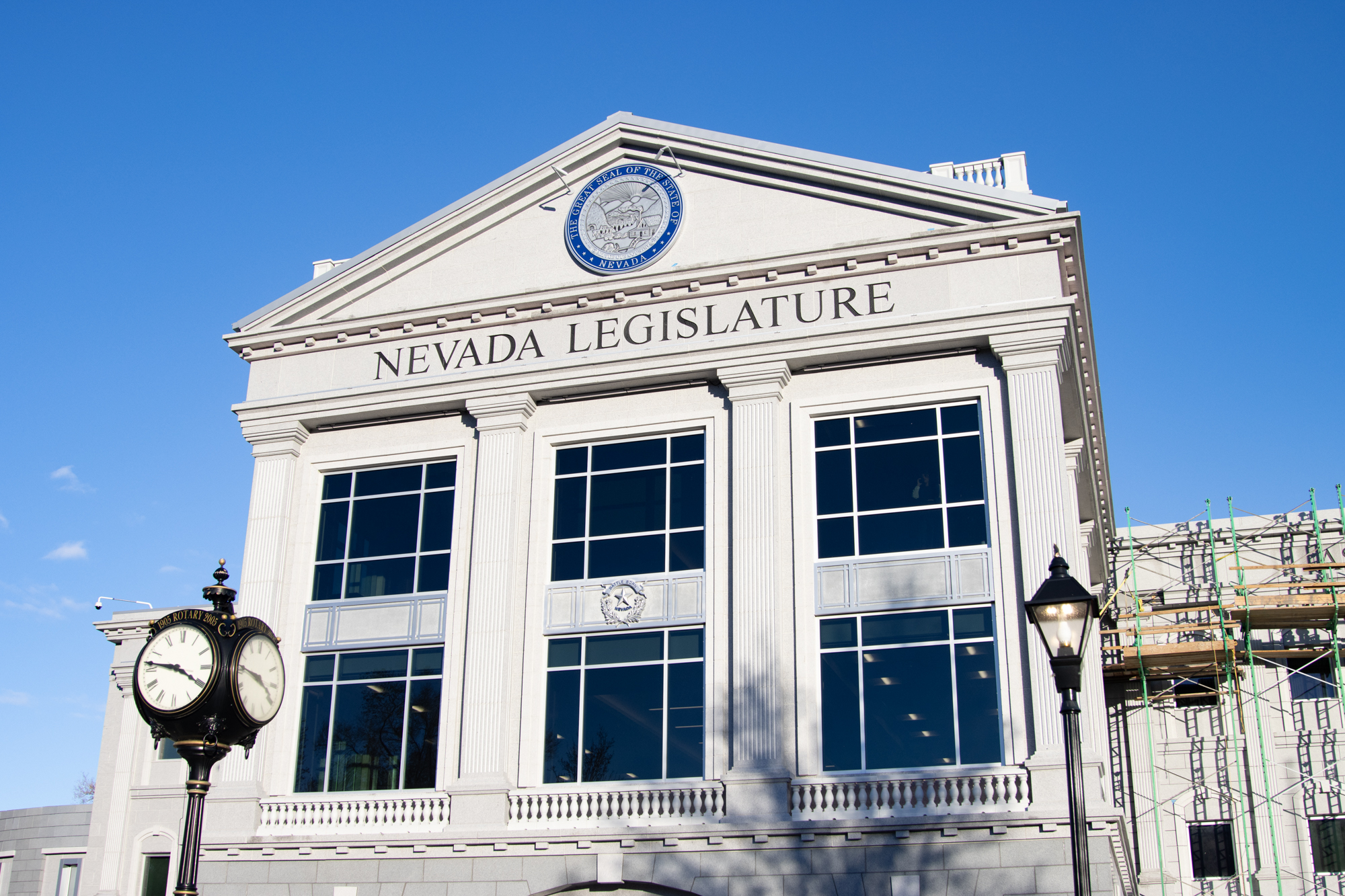
What Happened
On Wednesday, Oct. 14, economists presented revenue forecasts to Nevada's Economic Forum. The Nevada Independent reported that, depending on which forecasts the Forum picks, the next two-year budget could be anywhere from $900 million to $1.64 billion larger than the budget lawmakers approved last time. The middle of that range points to at least $1 billion in new room.
The Forum did not make its final decision at that meeting. It will set the official budget size at a follow-up meeting. That number can still change at the end of March, when more economic data comes in. The governor's recommended budget is due in January, and it has to be built on the Forum's figure.
The forecasts were built to be careful. But actual state revenue has beaten expectations. General fund revenue grew about 7.5 percent in fiscal year 2026. Forecasters expect a slight slowdown in the current fiscal year, then growth again before the next budget cycle begins.
Sales tax was the big surprise. Sales and use taxes make up about 30 percent of the state's general fund each year. For the fiscal year that ended in June, sales tax came in about $113 million above forecast. About a quarter of that came from some unusual quirks in how taxes were collected. Hayley Owens, an economist with the Nevada Legislative Counsel Bureau, said of the sales tax jump: "That one surprised us all."

Where did that sales tax growth come from? Much of it came from smaller sectors like manufacturing and data centers. Owens said those industries are more volatile, even if they show a more diverse economy. Kumael Bilgrami, an economist with Moody's Analytics, agreed with a Forum member's view that about 90 percent of sales tax growth comes from higher prices on goods, not from people buying more stuff.
Not every revenue source is growing. The Forum approved projections for smaller revenue sources that come in lower than the current cycle. The main reasons are less money from unclaimed property and from cigarette taxes. Economists also said higher insurance premiums are one reason state revenue is up.
Why It Matters to Las Vegas Residents
The state budget pays for a huge share of what touches daily life in Clark County. That includes K-12 schools, colleges like UNLV and CSN, health programs, state roads and public safety. When the budget grows, lawmakers have more choices. When it shrinks, they have to cut.
Schools are the biggest piece most families will notice. The Clark County School District serves the largest share of Nevada's students. CCSD has already had to trim its own budget this fall, which we covered in CCSD Cuts $51.6M From Budget. More state money in the next cycle does not guarantee more money for any one school. But it does give lawmakers room to talk about funding instead of only cuts.
Homeowners and buyers should care, too. Good schools, safe streets and working roads help hold up home values. Buyers moving to the valley ask about schools all the time. A budget with room to invest is better news for neighborhoods than a budget built around a shortfall.
But the source of the money matters. If a big part of the growth comes from higher prices and higher insurance premiums, then families are already paying for it at the register and in their monthly bills. The Nevada Independent put it plainly: some of the gain comes at the expense of people's pocketbooks. That is worth keeping in mind when you hear that the state is flush.

Tourism is the other piece. Economists said Las Vegas tourism continues to decline, though a wealthier visitor base gives the economy some cushion. Rising costs make life harder for Nevadans and make travel here less likely for some visitors. That is a real risk for a state that leans so hard on the Strip.
On the plus side, Moody's Analytics said job growth is on "solid ground." That lines up with the latest state jobs report, which showed Nevada unemployment falling to 4.7 percent in September. More people working means more paychecks being spent, which helps sales tax revenue.
What Could the Extra Money Pay For?
No one has decided that yet. The forecast only tells lawmakers how big the pie could be. How it gets sliced is up to the governor's budget in January and then the Legislature in 2027. But it helps to know the main areas that compete for state dollars every cycle.
K-12 education is the largest. State money flows to school districts like CCSD through a funding formula, and it pays for teachers, staff and classroom needs. Higher education is another big piece, covering UNLV, CSN, Nevada State University and other campuses. Health and human services, including Medicaid, take a large share as well. Then come public safety, prisons, state parks and the many state agencies that handle licenses, permits and services.
Every one of those areas will make a case for more money. Some of the new room will also be eaten up just by keeping current programs running at today's higher prices. That is the quiet side of inflation. If costs rise for the state the same way they rise for families, a bigger budget does not always buy more than it did before.
Background and History
Nevada builds its budget two years at a time. The Legislature meets every other year, in odd-numbered years, so the next regular session is in 2027. Before lawmakers can spend a dollar, the Economic Forum has to tell them how many dollars there will be. State law gives that job to the Forum, a panel of five economists from the private sector. The idea is to keep the revenue estimate separate from politics.
Nevada also has no state personal income tax. That means the state leans heavily on other sources, like sales tax, gaming taxes and taxes on businesses and insurance. Those sources rise and fall with the economy, and especially with tourism. That is why the Forum's forecast gets so much attention every two years.
The last cycle was tough. In 2025, the governor's first budget proposal had a $335 million deficit. And 2025 was the first time since 2009 that the money available to lawmakers went down in the middle of a session. That is a big part of why economists took a careful approach this time.
This is not the first time the budget has grown by about this much. Two years ago, the first budget proposal was about $1 billion bigger than the year before. So a $1 billion jump is large, but it is not unheard of. Some of it simply reflects a bigger state with higher prices.
A Quick Budget Glossary
State budget stories come with a lot of jargon. Here are a few terms in plain English.
- General fund: The state's main checking account. Most tax money goes in here, and most state programs are paid out of it.
- Fiscal year: The state's budget year. Nevada's fiscal year ends in June, so fiscal year 2026 ended in June 2026.
- Biennium: A two-year budget period. Nevada passes one budget that covers two fiscal years at once.
- Revenue forecast: An estimate of how much tax money will come in. The Economic Forum's forecast sets the limit on what lawmakers can plan to spend.
- Sales and use tax: The tax you pay at the register, plus a matching tax on some items bought from out of state. It makes up about 30 percent of the general fund.
Knowing these terms makes it much easier to follow the news when the governor's budget comes out and when lawmakers start trading numbers in 2027.
Why the Forecast Is So Hard to Get Right
Forecasting state revenue is a bit like predicting how much a family will spend next year. You can look at the past, but you cannot see a recession, a spike in gas prices or a slow summer on the Strip coming. That is why the forecasters pulled in a range, from $900 million to $1.64 billion, rather than a single number.
Economists also flagged some good news on the horizon. Las Vegas is set to host the college football championship, the men's college basketball Final Four and the Super Bowl through early 2029. Big events like those bring visitors who spend money, and some of that spending turns into state tax revenue. Economists also expect the pressure from rising gas prices and falling tourism to ease during the next budget cycle.

What Happens Next
Here is the timeline to watch. First, the Economic Forum meets again to set the official size of the budget. Second, the governor builds a recommended budget based on that number, due in January. Third, the Legislature meets in 2027 to debate, change and pass the final two-year budget. And in between, the Forum can revise its number at the end of March if the economy shifts.
The final budget size will depend on which forecasts the Forum chooses. If it picks the careful end of the range, lawmakers will have closer to $900 million in new room. If it picks the high end, the number gets closer to $1.64 billion. Either way, there is likely to be a long debate over how to spend it.
Keep an eye on a few things over the next few months. Watch the monthly sales tax numbers. Watch visitor counts on the Strip. And watch the jobs reports. All three feed into how much money the state will really have when lawmakers sit down in Carson City.
It is also worth remembering how the last cycle went. In 2025, the money available to lawmakers dropped in the middle of the session. That forced hard choices late in the process. The careful forecasts this time are partly meant to avoid a repeat. If revenue keeps beating expectations, the spring update could add room. If the economy cools, the number could shrink before lawmakers finish their work.
Ryan's Take
As a realtor, I pay attention to the state budget because buyers pay attention to schools, roads and safety. When someone moves here from out of state, the school question comes up in almost every conversation. A budget with room to grow is better for Clark County neighborhoods than one built around cuts. That matters whether you live in Summerlin, the southwest valley or Henderson.
I also think the honest part of this story is important. A lot of the extra money is coming from higher prices and higher insurance bills. Homeowners know that feeling well, since insurance has gone up for a lot of people here. So when the state has more money, it is fair to ask how much of it came out of our own pockets. My hope is that lawmakers spend it on things that make the valley a better place to live and raise a family. That is good for everyone who owns a home here, and for everyone hoping to buy one.
What You Can Do
If you care about how the state spends this money, now is the time to pay attention. The Economic Forum's meetings are public, and the Nevada Legislature's website posts agendas and materials. When the governor's budget comes out in January, local news outlets will break down what it includes for schools and services.
You can also reach out to your state senator and assembly member. Tell them what matters most to you, whether that is school funding, roads, health care or keeping costs down. Lawmakers hear from fewer people than you might think, so a short email can go a long way.
For families, it is worth following your own school's budget through CCSD and your school organizational team. State money flows down to schools through a formula, and local choices decide how it gets spent. Knowing how that works helps you ask better questions when budget season arrives.
For homeowners, think about your own household budget the same way the state does. Insurance, groceries and utilities have all climbed. If you have not shopped your homeowners insurance in a while, it may be worth comparing quotes. And if you are planning to buy in 2027, build a little extra room into your monthly budget for costs that keep rising.
Have questions about how this affects your home or neighborhood? Reach out to Ryan Rose or text/call 702-747-5921 anytime. Ryan Rose | Real Broker, LLC | 702-747-5921 | ryan@rosehomeslv.com | rosehomeslv.com
Sources
The Nevada Independent: "Nevada's next budget could see at least a $1 billion boost. Here's why." by Eric Neugeboren
Categories
- All Blogs (5068)
- Absentee Owner (4)
- Affordability (3)
- ALIANTE (53)
- Anthem (33)
- Ascension (50)
- Assumable Loan (1)
- Astra (50)
- BLACK MOUNTAIN (55)
- Buyers (22)
- Cadence (17)
- Calico Ridge (50)
- Canyon Fairways (50)
- CANYONS OF SUMMERLIN (55)
- CENTENNIAL HILLS (81)
- Comparisons (46)
- CROSSINGS IN SUMMERLIN (55)
- DESERT SHORES (47)
- Divorce (3)
- Downsizing (13)
- EAGLE HILLS (55)
- Empty Nester (1)
- Enterprise (1)
- EXPIRED LISTINGS (134)
- First Time Homebuyer (4)
- Green Valley (139)
- Henderson (82)
- HORIZONS EDGE (50)
- Housing Market Trends (100)
- Informative (112)
- Inspirada (58)
- Lake Las Vegas (2)
- Lakes Las Vegas (3)
- Las Vegas Real Estate (183)
- Local News (842)
- Luxury (1)
- MacDonald Highlands (88)
- MacDonald Ranch (100)
- Madeira Canyon (93)
- MESQUITE NV (103)
- MOUNTAIN TRAILS (50)
- Mountains Edge (79)
- Naked City (35)
- New Construction (131)
- New Construction Las Vegas (20)
- North Las Vegas (24)
- Northgate (23)
- PALISADES SUMMERLIN (50)
- Probate (28)
- Providence (2)
- Quail Ridge (35)
- QUEENSRIDGE (56)
- Red Rock (1)
- RED ROCK COUNTRY CLUB (60)
- Relocating to Summerlin (207)
- Relocation (45)
- Retired (1)
- Retirement (1)
- Reverence (15)
- RHODES RANCH (64)
- Ridgebrook (40)
- Sellers (255)
- Seven Hills (83)
- Silverado Ranch (1)
- Silverstone Ranch (39)
- SKYE CANYON (100)
- SKYE CANYONE (4)
- Southern Highlands (94)
- Southwest (19)
- SPANISH TRAILS (55)
- SPRING VALLEY (70)
- Summerlin (104)
- Sun City Summerlin (3)
- The Arbors (37)
- The Cliffs (50)
- THE HILLS (55)
- THE PASEOS (55)
- The Pueblos (27)
- THE PUEBLOS OF SUMMERLIN (42)
- THE RIDGES (65)
- THE VISTAS OF SUMMERLIN (50)
- The Willows (60)
- Thoughts on Home Tour (2)
- TOURNAMENT HILLS (50)
- Veterans (3)
- WHITNEY RANCH (55)
- Workers Advantage Program (100)
Recent Posts





GET MORE INFORMATION