
Colorado River Emergency Water Cuts Nevada | Ryan Rose
Related Stories
Trump Signs $2 Billion Sloan Canyon Water Pipeline Into Law
$52 Million Released to Upgrade Hoover Dam Turbines
Nevada, California, and Arizona have agreed to a joint emergency plan to cut their combined use of Colorado River water by up to 3.2 million acre-feet through 2028. For the 2.3 million people living in the Las Vegas Valley, this deal matters more than almost any other news story right now, because about 90 percent of Southern Nevada's water comes directly from that river.
The three states announced the proposal in early May 2026. It came alongside a separate federal plan from the Bureau of Reclamation. Together, these moves signal that water managers across the Southwest are treating the current drought not as a temporary problem but as a long-term reality that demands hard choices today.
Nevada's specific share of the cuts is 50,000 acre-feet per year. That comes out of the state's total Colorado River allocation of 300,000 acre-feet. To put that in plain terms, one acre-foot is roughly the amount of water a typical American family of four uses in a full year. The cuts are real, and they will ripple outward into everyday life in Las Vegas and the surrounding valley.

What Happened
In early May 2026, the three lower basin states officially submitted a joint proposal to the federal government. The plan calls for reducing total water consumption from the Colorado River by up to 3.2 million acre-feet between now and 2028. This is a voluntary agreement among the states, but it carries real consequences if the parties do not follow through.
Nevada agreed to cut 50,000 acre-feet annually from its 300,000 acre-foot allocation. Arizona and California are taking significantly larger cuts because they draw much more water from the river. Arizona's allocation is 2.8 million acre-feet per year. California's is 4.4 million acre-feet. By comparison, Nevada's share is small, but the pressure on the state is disproportionately high because of how completely Southern Nevada depends on the river.
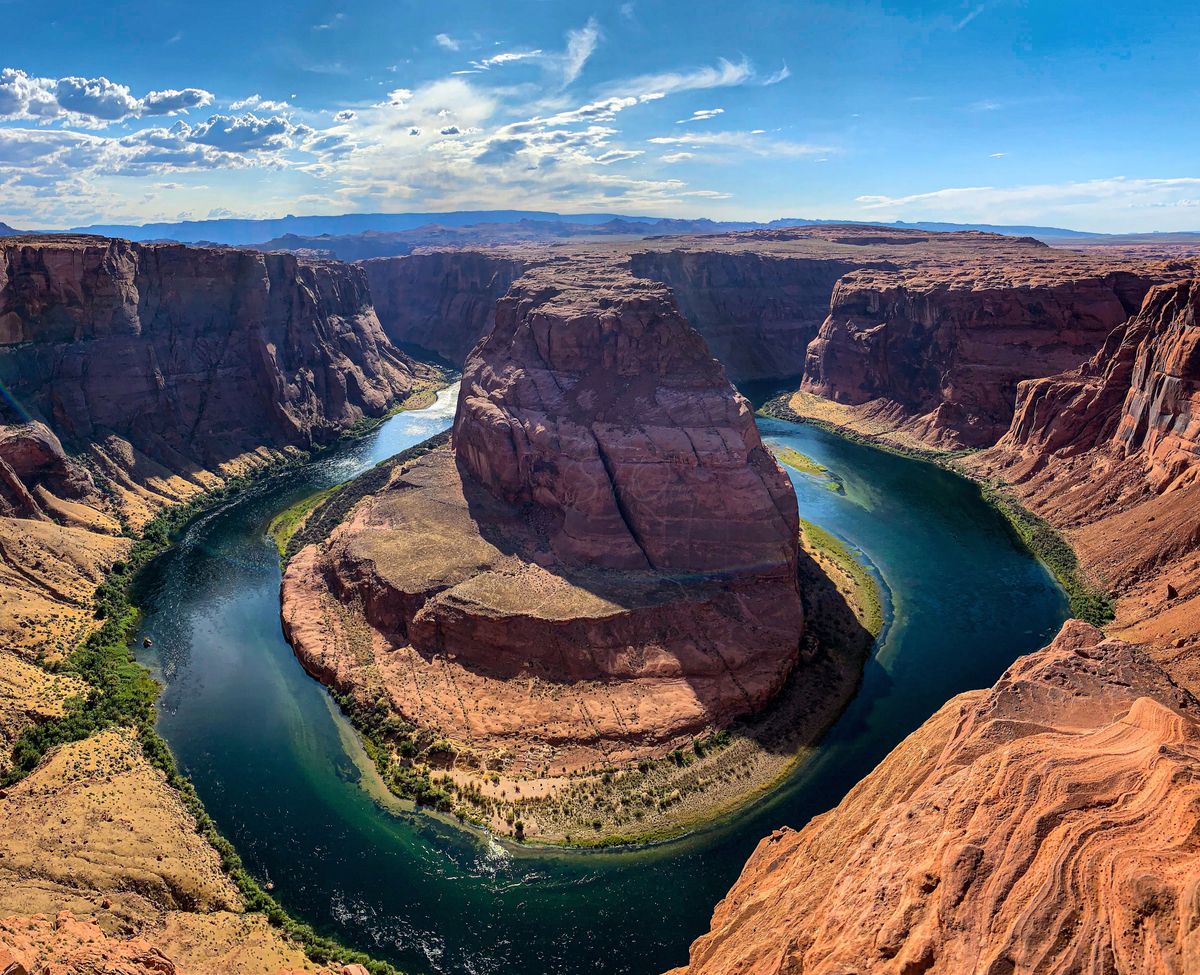
At almost the same time, the Bureau of Reclamation released a separate federal plan. That plan would require lower basin states to cut up to 3 million acre-feet per year to keep Lake Mead from dropping to dangerously low levels. Lake Mead sits behind Hoover Dam on the Nevada-Arizona border. It is the largest reservoir in the United States by volume, and it acts as the primary storage bank for the entire lower Colorado River system.
When Lake Mead's water level falls too low, the federal government triggers shortage declarations. Under those rules, Arizona and Nevada face mandatory delivery reductions. California currently has the highest priority water rights under the river's legal framework, which means it is the last to take cuts in formal shortage tiers. The joint state agreement changes that dynamic slightly by bringing California into a voluntary reduction framework alongside its neighbors.
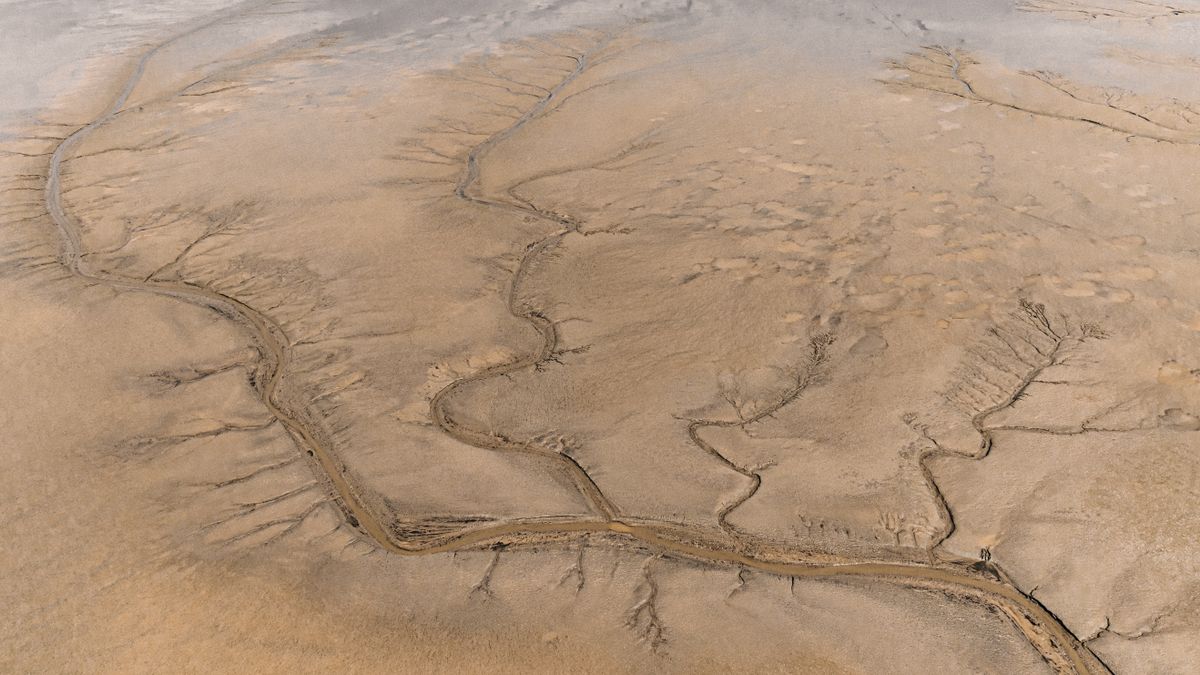
The cuts are driven by years of below-average snowpack in the Rocky Mountains, which is the primary source of the Colorado River's water. Warmer temperatures have also increased evaporation from the river and its reservoirs. Lake Mead's level has dropped dramatically since 2000, exposing what locals call the "bathtub ring," a white mineral stain on the canyon walls that marks where the waterline used to sit.
Why It Matters to Las Vegas Residents
Most people in Las Vegas do not think about water until there is not enough of it. But water is the single most important factor shaping this city's future. Without a reliable supply, growth stops. Property values follow population. And population follows water.
For current residents, the most immediate effects of continued cuts are likely to show up in outdoor water use. The Southern Nevada Water Authority already prohibits certain types of turf and limits outdoor watering to specific days and times. As cuts deepen, those restrictions will almost certainly get stricter. You may see shorter watering windows, higher tiered pricing for heavy water users, and stronger enforcement of existing rules.
New development is also affected. Builders need water rights to bring new projects online. When the overall pool of available water shrinks, it becomes harder to approve large new residential or commercial projects. This can slow the pace of construction and limit the supply of new homes in the valley. A tighter housing supply tends to put upward pressure on prices, which is good for existing homeowners but harder for buyers.
Landscaping costs will likely rise. Homeowners who still have traditional grass lawns may face higher water bills and eventually mandatory conversions to desert-friendly landscaping. Nevada already passed a law requiring the removal of ornamental grass from public spaces by 2026. That law does not cover private homes yet, but it signals the direction policy is heading.
For businesses, especially hotels and casinos on the Strip, water efficiency has already become a major operational priority. Many of the large resorts have invested heavily in water recycling and low-flow fixtures over the past two decades. They are better positioned than most to handle tightening restrictions.
The bigger concern is long-term. If the Colorado River continues to decline faster than conservation measures can offset, the Las Vegas Valley will eventually face a structural water gap. That is not a problem for next year. But it is a problem planners and policymakers are working hard to get ahead of right now, with projects like the Sloan Canyon pipeline and ongoing investments in water recycling infrastructure.
Background and History
To understand why these cuts are happening, it helps to know a little history. The seven states that share the Colorado River, Wyoming, Colorado, Utah, New Mexico, Nevada, Arizona, and California, signed the Colorado River Compact in 1922. That agreement divided the river's flow between an upper basin and a lower basin. Nevada received one of the smallest allocations: just 300,000 acre-feet per year.
There is a critical flaw in the 1922 compact. The negotiators based their calculations on river flow data from a period of unusually high precipitation. The river's long-term average flow is substantially lower than what was assumed. The states essentially divided up more water than the river reliably produces. For decades, that was not a crisis because storage reservoirs like Lake Mead and Lake Powell held years of reserve supply. But those reserves have been steadily drawn down.
Since 2000, Lake Mead has lost well over half of its total storage capacity. The reservoir dropped to its lowest recorded level in 2022, reaching around 27 percent of capacity. It has partially recovered since then, but remains far below the long-term average that the 1922 compact assumed.
Nevada's record in this situation is actually worth noting. Despite its almost complete dependence on the river, Southern Nevada has become one of the most water-efficient urban regions in the country. The Southern Nevada Water Authority has implemented tiered pricing, aggressive turf removal programs, mandatory appliance standards, and a sophisticated indoor water recycling system. Most of the water used indoors in Las Vegas is treated and returned to Lake Mead, where Nevada can draw it again. This recycling system is one of the reasons Nevada's effective water use is much lower than its raw allocation would suggest.
Nevada uses less water per person today than it did in 1990, even though the population has more than tripled. That is a remarkable achievement. But even good conservation has limits when the river itself is delivering less water every year.
What Happens Next
The joint state proposal still needs federal approval from the Bureau of Reclamation. That process involves public comment periods and regulatory review, but the Bureau has already signaled strong support for the states working together voluntarily rather than waiting for mandatory federal shortage declarations.
If Lake Mead continues to decline, the federal government can impose deeper cuts under existing shortage tier rules. Those rules escalate in stages. The current situation is serious but not yet at the most severe tier. Getting the three states to voluntarily cut water use now is partly a strategy to buy time and keep the reservoir from triggering those harsher mandatory levels.
The cuts run through 2028. By then, the states will need a longer-term agreement. The current framework for sharing the river, known as the 2007 Interim Guidelines, expires in 2026. Negotiations over what comes next have been underway for several years. Those talks will determine how water is shared for the next several decades.
One partial solution already in progress is the Sloan Canyon Water Pipeline project in Henderson. Earlier in 2026, that project was signed into law with roughly $2 billion in federal backing. The pipeline is designed to provide Southern Nevada with a more reliable supply pathway and to support the region's long-term water security. It will not replace the Colorado River as Southern Nevada's water source, but it adds important infrastructure resilience.
Water recycling will also continue to expand. Southern Nevada already returns a high percentage of indoor water use back to Lake Mead. Future investments will focus on purifying that recycled water to drinking water standards, which would allow the valley to use and reuse the same water multiple times before it is lost to evaporation or export.
Ryan's Take
I get asked about water all the time by people looking to buy or sell in the Las Vegas Valley. My honest answer is that the water situation is serious, it is being managed seriously, and it is not a reason to avoid this market. But it is absolutely something every buyer and every investor should understand.
Water availability is foundational to property values in a desert city. If Southern Nevada ever faced a true water crisis with no reliable solution in sight, that would affect real estate across the board. But that is not where we are. What we have is a managed challenge with real solutions being funded and built right now.
The Sloan Canyon pipeline signing was big news for this reason. It shows the federal government is committed to backing Southern Nevada's long-term water infrastructure. The emergency cuts announced in May 2026 show the states are acting responsibly to protect the shared resource. Both of these things together actually give me more confidence in the region's future, not less.
For current homeowners, the most practical takeaway is to get ahead of water efficiency. Homes with desert landscaping, drip irrigation systems, and water-smart fixtures are going to be more attractive to buyers as water costs rise and restrictions tighten. If you have a traditional grass lawn and you are thinking about selling in the next few years, a turf removal project could be a smart investment, especially with rebates still available from the Southern Nevada Water Authority.
The Las Vegas Valley has defied predictions of decline before. Smart water management is one of the key reasons it has been able to keep growing. These cuts are part of that smart management. They are not a warning sign that the city is running out of water. They are a sign that the people responsible for water supply are doing their jobs.
What You Can Do
If you live in the Las Vegas Valley, there are real programs available to help you use less water and save money at the same time. The Southern Nevada Water Authority runs some of the best residential conservation programs in the country.
The turf removal rebate program is one of the most popular. The Water Authority pays $5 per square foot of qualifying grass that you remove and replace with approved desert-friendly landscaping. For an average suburban backyard, that can add up to a significant rebate check. The program has tight annual budgets, so applications often fill up fast. Signing up early in the year gives you the best chance of securing funds.
Xeriscaping is the term for drought-tolerant landscaping that uses plants native or well-adapted to the Mojave Desert. Native plants like desert willow, brittlebush, and desert marigold can create a beautiful and low-maintenance yard while using a fraction of the water that grass requires. Many local nurseries specialize in these plants, and the Water Authority's website has design guides and plant lists to get you started.
If you have an older irrigation system, it is worth having it audited. Many homeowners are losing water to leaks, overspray, or schedules that were set years ago and never updated. The Water Authority offers free irrigation audits for residential properties. A simple tune-up can cut outdoor water use by 20 to 30 percent with no change to how your yard looks.
On the indoor side, replacing older toilets, showerheads, and washing machines with WaterSense-certified models reduces use significantly. The Water Authority offers rebates for many of these appliances as well. Check the current rebate schedule at snwa.com for the most up-to-date program details and funding availability.
Staying informed is also important. Water policy in Nevada moves quickly right now. Signing up for updates from the Southern Nevada Water Authority and paying attention to local news about Lake Mead levels will help you stay ahead of any new restrictions or changes to pricing tiers before they take effect.
The cuts announced in May 2026 are a reminder that water is a shared and finite resource in the desert. Every household that uses water wisely contributes to the valley's long-term resilience. And in a city that has already proven it can grow responsibly in one of the driest climates in the country, that shared effort makes a real difference.
Have questions about how this affects your home or neighborhood? Reach out to Ryan Rose or text/call 702-747-5921 anytime.
Sources
Las Vegas Sun: Nevada, Arizona Take Big Colorado River Water Cuts Under New Agreement
8NewsNow: Las Vegas Water Conservation Efforts Face Drought Test
Southern Nevada Water Authority: Conservation Rebates and Programs
Categories
- All Blogs (4979)
- Absentee Owner (4)
- Affordability (3)
- ALIANTE (53)
- Anthem (33)
- Ascension (50)
- Assumable Loan (1)
- Astra (50)
- BLACK MOUNTAIN (55)
- Buyers (22)
- Cadence (17)
- Calico Ridge (50)
- Canyon Fairways (50)
- CANYONS OF SUMMERLIN (55)
- CENTENNIAL HILLS (81)
- Comparisons (46)
- CROSSINGS IN SUMMERLIN (55)
- DESERT SHORES (47)
- Divorce (3)
- Downsizing (13)
- EAGLE HILLS (55)
- Empty Nester (1)
- Enterprise (1)
- EXPIRED LISTINGS (134)
- First Time Homebuyer (4)
- Green Valley (139)
- Henderson (82)
- HORIZONS EDGE (50)
- Housing Market Trends (100)
- Informative (112)
- Inspirada (58)
- Lake Las Vegas (2)
- Lakes Las Vegas (3)
- Las Vegas Real Estate (182)
- Local News (774)
- Luxury (1)
- MacDonald Highlands (88)
- MacDonald Ranch (100)
- Madeira Canyon (93)
- MESQUITE NV (103)
- MOUNTAIN TRAILS (50)
- Mountains Edge (79)
- Naked City (35)
- New Construction (131)
- North Las Vegas (24)
- Northgate (23)
- PALISADES SUMMERLIN (50)
- Probate (28)
- Providence (2)
- Quail Ridge (35)
- QUEENSRIDGE (56)
- Red Rock (1)
- RED ROCK COUNTRY CLUB (60)
- Relocating to Summerlin (207)
- Relocation (45)
- Retired (1)
- Retirement (1)
- Reverence (15)
- RHODES RANCH (64)
- Ridgebrook (40)
- Sellers (255)
- Seven Hills (83)
- Silverado Ranch (1)
- Silverstone Ranch (39)
- SKYE CANYON (100)
- SKYE CANYONE (4)
- Southern Highlands (94)
- Southwest (19)
- SPANISH TRAILS (55)
- SPRING VALLEY (70)
- Summerlin (104)
- Sun City Summerlin (3)
- The Arbors (37)
- The Cliffs (50)
- THE HILLS (55)
- THE PASEOS (55)
- The Pueblos (27)
- THE PUEBLOS OF SUMMERLIN (42)
- THE RIDGES (65)
- THE VISTAS OF SUMMERLIN (50)
- The Willows (60)
- Thoughts on Home Tour (2)
- TOURNAMENT HILLS (50)
- Veterans (3)
- WHITNEY RANCH (55)
- Workers Advantage Program (100)
Recent Posts









GET MORE INFORMATION