
Clark County Data Center Rules Weighed | Ryan Rose
Related Stories
Experts Weigh In as Clark County Studies Data Center Water and Power Concerns
Henderson to Vote July 21 on 180-Day Data Center Moratorium
Boulder City Data Center Question Headed to November Ballot After Planning Rejection
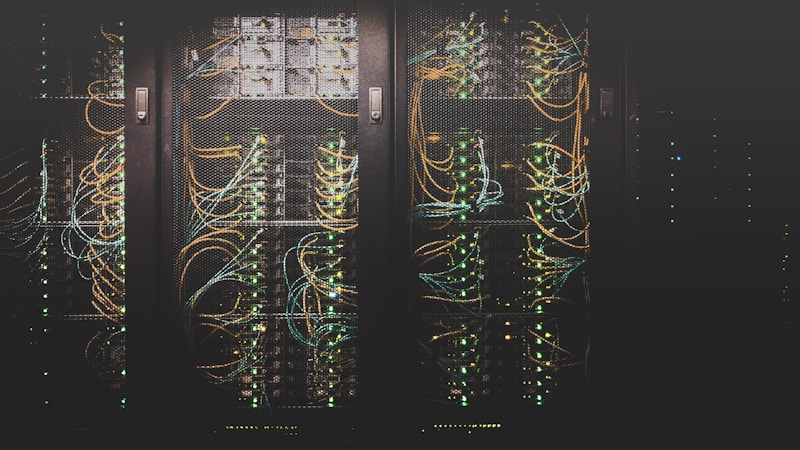
Clark County leaders are getting ready to talk about something new. They want to look at setting up clear rules for data centers. These are the big buildings full of computers that store and move information across the internet. Right now, the county does not have one set of rules made just for them. Instead, county leaders look at each project one at a time. That approach may be about to change.
County Commissioner Tick Segerblom placed an item on the commission's agenda in early July 2026. He wants the county to think about building an application process and a set of approval rules for future data centers in unincorporated Clark County. That is the part of the valley that sits outside city limits like Las Vegas and Henderson. The idea is to have one clear path that every data center company must follow, instead of starting from scratch with each new plan.
Segerblom made one point very clear. No exact rule has been written yet. He framed the talk as a chance to get ahead of the game. He wants leaders to think early about how these buildings use water, how much power they pull from the grid, and how much noise they make. Data centers can use a lot of all three.
For people who live and own homes in Southern Nevada, this matters. New rules could shape where these buildings go, how they are built, and what they could mean for your water bill and power bill. Below, we break down what happened, why it matters, and what may come next.
What Happened
In early July 2026, Commissioner Tick Segerblom added an item to the Clark County Commission's agenda. The item asked his fellow commissioners to discuss creating rules for future data centers. Right now, the county reviews each data center project on its own. A company brings a plan, and leaders study it, hear from the public, and then vote. Segerblom wants a different system. He wants the county to build a clear application process and a set of approval standards ahead of time. Every future data center would then follow the same steps.
Segerblom was careful about one thing. He said there is no exact rule written down yet. There is no ordinance language ready to vote on. This first step is just a conversation. It is a chance for the commission to decide if it even wants to move in this direction. Think of it like drawing up an outline before writing the full report.
The reason he gave was simple. He wants the county to get ahead of the game. Data centers are being built fast across the country, and Southern Nevada is drawing its share. These buildings raise real questions. How much water will they use to keep their computers cool? How much electricity will they pull from the power grid? How much noise will their cooling systems make for nearby homes? Segerblom said the county should think about water, power, and noise now, before even more projects arrive.
The timing was not random. The move came shortly after a big vote. On June 17, 2026, the commission approved an expansion of a Switch data center in the southwest valley. Switch is a well-known company that runs large data centers in the region. That approval did not come easily. Some residents spoke against it. Environmental groups also raised objections. They worried about the effect on water and the surrounding area. The commission approved the expansion anyway, but the pushback stayed on people's minds.
It is worth knowing that the county already has one rule in place. County code requires new commercial projects, including data centers, to use near-zero-water cooling technology. That means new projects are supposed to rely on cooling methods that use very little water. So the county is not starting from nothing on the water question. Still, Segerblom's idea would go further. It would create a fuller framework for how these projects are judged from the start, covering more than just cooling.
No final decision has been made. The agenda item was about starting the talk, not ending it. But the discussion signals that county leaders are paying close attention to how fast this industry is growing and what it could mean for the people who already live here.
Why It Matters to Las Vegas Residents
You might wonder why rules for computer buildings should matter to you. The answer comes down to two things almost every home depends on: water and power.
Southern Nevada sits in the desert. Water is precious here. The region leans heavily on the Colorado River and Lake Mead, and those supplies have been under stress for years. Data centers can use water to cool their equipment. When a new industry moves in and uses water, people notice. They want to know that their own supply is safe and that big new users are held to a fair standard. This is one reason the county already requires near-zero-water cooling for new commercial projects. Clear countywide rules could make that standard stronger and easier to enforce.
Power is the second big piece. Data centers use a huge amount of electricity. They run thousands of computers around the clock, and those machines rarely rest. When many large buildings pull power from the same grid, it can affect everyone connected to that grid. More demand can lead to a need for more power plants, more power lines, and more upgrades. Someone has to pay for that. In many places, the cost of building out the grid can show up on regular customers' bills. Rules that study a project's power needs up front can help leaders understand the impact before it lands on your monthly statement.
There is also the question of where these buildings go. Land use shapes neighborhoods. A data center is large. It can bring truck traffic during building, humming cooling systems once it opens, and a big footprint on land that might have been used for homes, parks, or shops. The June 2026 Switch expansion in the southwest valley drew objections partly because neighbors care deeply about what gets built near them. A clear set of rules could spell out where data centers fit best and what they must do to be good neighbors.
Money is part of the story too. Data centers represent billions of dollars in new investment, especially as companies race to build the computing power behind artificial intelligence, often called AI. That investment can bring jobs and tax dollars. It can also bring the water and power pressures we just talked about. Countywide rules would change how all that investment is checked for its effect on water and the grid across Southern Nevada. In short, the rules would help balance growth with the needs of families who already live here.
For homeowners, all of this ties back to daily life. It touches your utility bills, the value and feel of your neighborhood, and the long-term health of the region's water and power. That is a lot riding on a discussion about computer buildings. It is why this early conversation is worth watching closely.
Background and History
To understand this moment, it helps to look at how the county got here. For years, Clark County has handled data centers the same way it handles many big projects. A company applies, staff reviews the plan, the public gets a chance to speak, and the commission votes. Each project is judged on its own. This case-by-case approach gives leaders flexibility, but it can also feel slow and uneven. Two similar projects might face very different questions depending on timing and who shows up to speak.
The data center boom is bigger than Southern Nevada. Across the country, companies are building these facilities at a rapid pace. Much of the recent rush is tied to artificial intelligence. AI tools need enormous computing power, and that power lives in data centers. Nevada, with its open land and existing tech presence, has become an attractive place to build. Companies like Switch have run large campuses in the region for years.
That growth set the stage for the June 17, 2026 vote. The commission approved a Switch data center expansion in the southwest valley. The approval passed, but not without friction. Residents raised concerns. Environmental groups pushed back over water and land effects. The debate showed a growing tension between welcoming investment and protecting local resources.
The county was not fully unprepared. It already had a rule on the books requiring near-zero-water cooling technology for new commercial projects, including data centers. That rule shows leaders had already seen the water issue coming. But a single cooling rule is narrower than a full set of standards. It does not, by itself, lay out a complete process for judging every new project's power use, location, and neighborhood impact.
So the early-July 2026 agenda item from Commissioner Segerblom fits into a longer story. It is the county's attempt to move from reacting to each project toward a clearer, steadier plan. Whether that plan comes together, and what it looks like, is still an open question. But the history makes one thing plain. The pressure to act has been building for a while, and the Switch vote helped bring it to the surface.

What Happens Next
So where does this go from here? The short answer is that the process is just beginning. The early-July 2026 agenda item was a discussion item. It put the topic in front of the commission and the public. It did not create a law. Commissioners can share their views, county staff may be asked to study options, and the public can weigh in.
If the commission decides it wants to move forward, the next step would likely be drafting actual rule language. Remember, Segerblom said no ordinance language exists yet. Writing that language takes time. County staff and lawyers would need to spell out the application steps, the approval standards, and how water, power, and noise would be measured and limited. That draft would then come back to the commission for review.
From there, a new rule usually goes through public hearings. Residents, businesses, environmental groups, and the data center companies themselves would all get a chance to speak. Changes are common at this stage. A first draft rarely becomes the final rule without edits. Only after all of that would the commission take a formal vote to adopt any new ordinance.
It is also possible the commission decides not to create a full new framework at all. Leaders might choose to keep the current case-by-case system, or they might make smaller changes instead of a big new set of rules. Nothing is guaranteed. This is a discussion, and discussions can go in many directions.
For now, the clearest signal is one of attention. County leaders are openly talking about how to handle a fast-growing industry before it grows even more. Anyone who cares about water, power costs, or what gets built nearby should keep an eye on future commission agendas. The pace may feel slow, but early steps like this one often shape the rules that stick for years to come.
Ryan's Take
As someone who helps families buy and sell homes across the Las Vegas Valley, I watch these decisions closely. Here is my honest take. I think it is smart for the county to have this conversation now. Waiting until dozens more data centers are built would make the job much harder. Getting clear rules in place early tends to protect both homeowners and responsible businesses.
I also want to be fair and balanced. Data centers are not villains. They bring investment, jobs, and tax dollars that help fund local services. The push behind them, including the race to build AI, is not going away. Southern Nevada can benefit from that growth. The goal should not be to block every project. The goal should be to make sure these buildings go in the right places and are held to strong standards on water and power.
For my clients, the practical concern is simple. Homebuyers ask me about their future utility bills and about what might be built near a home they love. Sellers ask how nearby development could affect value. Clear countywide rules would give me better answers to those questions. Predictable rules help everyone plan, from a young couple buying their first house to a company investing millions.
My advice is to stay informed and stay involved. These early talks are exactly when regular residents have the most influence. If you have an opinion about growth, water, or your power bill, this is the time to share it. Decisions made now will shape our neighborhoods for a long time. It is worth paying attention.

What You Can Do
You do not have to be an expert to have a say. Here are simple steps you can take if this topic matters to you.
First, stay informed. Clark County posts its commission agendas and meeting details on its official website. You can check upcoming agendas to see when data center rules come up again. Reading the agenda ahead of time helps you know what will be discussed.
Second, speak up. Commission meetings usually include time for public comment. You can attend in person or, in many cases, share your thoughts in writing. You can also contact your county commissioner directly. Let them know how you feel about water use, power costs, noise, or where these buildings should go. Elected leaders pay attention to what residents say, especially early in a process.
Third, learn the facts before you form an opinion. Read balanced news coverage from trusted local sources. Understand both the benefits, like jobs and investment, and the concerns, like water and power demand. A well-informed comment carries more weight than one based on rumor.
Fourth, talk to your neighbors. Growth affects whole communities, not just one home. Sharing good information helps everyone make better choices.
Finally, if you are thinking about buying or selling and you worry about how nearby growth could affect your home, reach out to a local expert who follows these issues. Understanding the local picture can help you make a confident, informed decision about your biggest investment.
Have questions about how this affects your home or neighborhood? Reach out to Ryan Rose or text/call 702-747-5921 anytime.
Sources
Categories
- All Blogs (4919)
- Absentee Owner (4)
- Affordability (3)
- ALIANTE (53)
- Anthem (33)
- Ascension (50)
- Assumable Loan (1)
- Astra (50)
- BLACK MOUNTAIN (55)
- Buyers (22)
- Cadence (17)
- Calico Ridge (50)
- Canyon Fairways (50)
- CANYONS OF SUMMERLIN (55)
- CENTENNIAL HILLS (81)
- Comparisons (46)
- CROSSINGS IN SUMMERLIN (55)
- DESERT SHORES (47)
- Divorce (3)
- Downsizing (13)
- EAGLE HILLS (55)
- Empty Nester (1)
- Enterprise (1)
- EXPIRED LISTINGS (134)
- First Time Homebuyer (4)
- Green Valley (139)
- Henderson (82)
- HORIZONS EDGE (50)
- Housing Market Trends (100)
- Informative (112)
- Inspirada (58)
- Lake Las Vegas (2)
- Lakes Las Vegas (3)
- Las Vegas Real Estate (182)
- Local News (714)
- Luxury (1)
- MacDonald Highlands (88)
- MacDonald Ranch (100)
- Madeira Canyon (93)
- MESQUITE NV (103)
- MOUNTAIN TRAILS (50)
- Mountains Edge (79)
- Naked City (35)
- New Construction (131)
- North Las Vegas (24)
- Northgate (23)
- PALISADES SUMMERLIN (50)
- Probate (28)
- Providence (2)
- Quail Ridge (35)
- QUEENSRIDGE (56)
- Red Rock (1)
- RED ROCK COUNTRY CLUB (60)
- Relocating to Summerlin (207)
- Relocation (45)
- Retired (1)
- Retirement (1)
- Reverence (15)
- RHODES RANCH (64)
- Ridgebrook (40)
- Sellers (255)
- Seven Hills (83)
- Silverado Ranch (1)
- Silverstone Ranch (39)
- SKYE CANYON (100)
- SKYE CANYONE (4)
- Southern Highlands (94)
- Southwest (19)
- SPANISH TRAILS (55)
- SPRING VALLEY (70)
- Summerlin (104)
- Sun City Summerlin (3)
- The Arbors (37)
- The Cliffs (50)
- THE HILLS (55)
- THE PASEOS (55)
- The Pueblos (27)
- THE PUEBLOS OF SUMMERLIN (42)
- THE RIDGES (65)
- THE VISTAS OF SUMMERLIN (50)
- The Willows (60)
- Thoughts on Home Tour (2)
- TOURNAMENT HILLS (50)
- Veterans (3)
- WHITNEY RANCH (55)
- Workers Advantage Program (100)
Recent Posts






GET MORE INFORMATION
