
Boulder City Data Center on Ballot | Ryan Rose
Related Stories
Henderson to Vote July 21 on 180-Day Data Center Moratorium
Clark County Commission to Weigh First-Ever Data Center Regulations
Experts Weigh In as Clark County Studies Data Center Water and Power Concerns
Boulder City is about to hand one of its biggest decisions straight to the voters. The city's Planning Commission voted to recommend turning down a large data center planned for the Eldorado Valley. The project would cover 88.5 acres. It was proposed by Townsite Solar 2 LLC, a company tied to Texas-based Skylar Capital Management. But that vote did not settle the matter. It pushed a bigger question forward.
On November 3, 2026, Boulder City residents will vote on whether data centers should be an allowed land use in a part of the Eldorado Valley called the Transfer Area. That is the land outside the section set aside for conservation. In plain terms, the people of Boulder City, not just a board or a council, will decide if this kind of project belongs there at all.
This is a heavy choice. City leaders and supporters point to the money. Leasing the land could bring in a huge amount of revenue over time, possibly billions of dollars. That income could help fund the city for years. But many residents are worried. They point to the water these buildings can use and the desert habitat that could be lost. One phrase keeps coming up from people who oppose the plan: "this town is not ready."
Boulder City has always grown slowly and on purpose. Now it faces a defining land-use question. And what happens here will echo across Southern Nevada, where other cities are wrestling with the same thing. Let me walk you through what happened, why it matters, and what comes next.

What Happened
The plan came from a company called Townsite Solar 2 LLC. It is an affiliate of Skylar Capital Management, a firm based in Texas. The company asked Boulder City for permission to build a data center on 88.5 acres in the Eldorado Valley. A data center is a large building, or a group of buildings, filled with computers and servers. These machines store data and run the apps, websites, and cloud services people use every day.
Before a project like this can move ahead, it usually goes to the Planning Commission first. The Planning Commission is a group that reviews land-use plans and gives advice to city leaders. It does not always have the final say, but its opinion carries real weight. In this case, the commission voted to recommend rejecting the data center. In simple terms, the city's planners said no.
The reasons behind that vote reflect what many residents have been saying. Some worried about how much water a large data center might use. Data centers can use water to cool their equipment, and water is precious in the desert. Others worried about the desert habitat in the Eldorado Valley and the wildlife that depends on it. And many pointed to something deeper. They feel Boulder City is simply not built for this kind of fast, heavy growth. "This town is not ready" became a common theme in public comments.
But the planners' vote did not close the door. Instead, it sent a much bigger question to the ballot. The real decision will not be made by a small board. It will be made by the voters. On November 3, 2026, Boulder City residents will vote on whether data centers should be an allowed land use in the Eldorado Valley Transfer Area, outside the conservation easement. The conservation easement is land that is protected and kept natural. The Transfer Area is the land outside that protected zone.
There is a strong argument on the other side of the debate. City officials and supporters note that leasing this land could bring in an enormous amount of money, possibly billions of dollars spread over many years. That revenue could help pay for city services, keep taxes steady, and support the community far into the future. So this is not a simple yes or no. Voters will have to weigh the possible income against the concerns about water, wildlife, and the pace of growth. It is a real trade-off, and good neighbors land on different sides of it.
Why It Matters to Las Vegas Residents
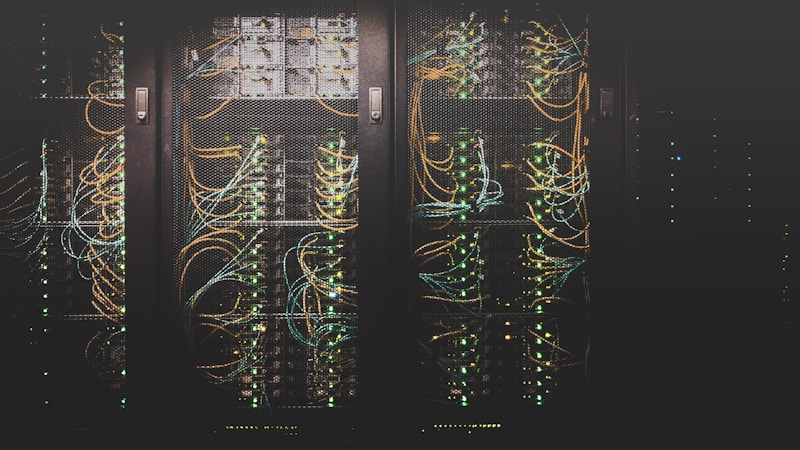
You might wonder why a vote in Boulder City should matter to someone in Las Vegas, Henderson, or Summerlin. The answer is that this is not just a Boulder City story. It is one piece of a much larger wave moving across Southern Nevada. Data centers are being proposed all over the valley, and communities everywhere are trying to decide how to handle them.
Look at what is happening nearby. In Henderson, city leaders are set to vote on July 21 on a 180-day pause, called a moratorium, on new data centers. A moratorium is a temporary stop that gives a city time to study an issue before more projects move ahead. At the same time, Clark County is working on its first-ever set of rules for data centers. The county is also studying how these facilities could affect water and power across the region. Boulder City's ballot question is one more part of that same puzzle.
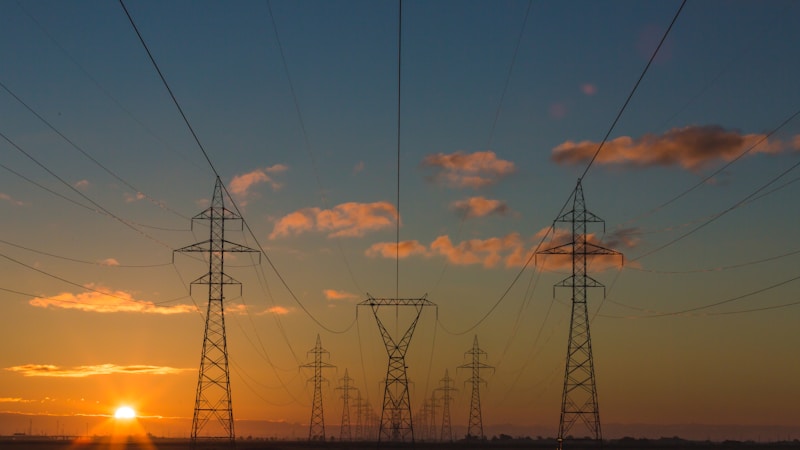
Here is why it hits home for regular residents. Data centers use a lot of electricity, and many use a lot of water. In a desert region that already watches every drop, that matters. If many large data centers are built, they add demand to the same power grid and water supply that homes and businesses rely on. That can shape utility costs and long-term planning. These are shared systems, so a choice in one city can ripple into the next.
There is also the question of land and growth. Southern Nevada keeps expanding, and there is only so much open desert. Every large project changes what the region looks like and how it feels to live here. Boulder City has long served as a quiet buffer on the edge of the valley. If its land-use rules change, that could shift how the whole southeastern side of the region grows.
For homeowners, all of this ties back to something very practical: property values and quality of life. Buyers care about noise, traffic, views, and the feel of a neighborhood. They also care about reliable, affordable utilities. A wave of new industrial building can touch all of those things, in good ways and in hard ways. New projects can bring jobs and money into local budgets. They can also bring trucks, construction, and pressure on resources.
That is why I tell my clients to watch these votes, even the ones a few towns away. The map of Southern Nevada is being redrawn right now, one land-use decision at a time. What Boulder City decides in November will send a signal to every other city council and planning board in the valley about how far residents are willing to go, and where they want to draw the line.
Background and History
To understand this vote, it helps to know a little about Boulder City. It is one of the most unusual towns in Nevada. It was built in the 1930s to house the workers who constructed Hoover Dam. From the very start, it was a planned community. To this day, Boulder City is known for careful, controlled growth. It has long kept rules that limit how fast the city can add new homes, and it is famous for putting big land decisions in front of its voters.
That history is the key to today's story. In many cities, a land-use choice like this would be made by the city council alone. In Boulder City, the tradition of slow growth and public control means residents often get the final word. So it fits the town's character that a data center question would land on the ballot rather than being decided quietly in a meeting room.
The land in question sits in the Eldorado Valley, south of the main town. Boulder City owns a large stretch of this desert. Part of it is set aside as a conservation easement, which is protected to remain natural habitat. The rest is known as the Transfer Area, where certain uses can be allowed. The November vote is specifically about whether data centers should be an allowed use in that Transfer Area, outside the protected easement. The company that applied, Townsite Solar 2 LLC, is tied to energy investment through its parent firm in Texas.
Boulder City has leased parts of the Eldorado Valley for energy projects before, so the idea of earning revenue from this land is not brand new. [NOT VERIFIED] What is new is the scale and type of this data center proposal and the strong public pushback it has drawn. Many residents moved to Boulder City because it is calm, small, and slow to change. For them, a large data center feels like the opposite of what their town is about. That tension, between earning money from the land and protecting the town's character, sits at the heart of this whole debate.

What Happens Next
The next big date to circle is November 3, 2026. That is when Boulder City voters will decide the broader question: should data centers be an allowed land use in the Eldorado Valley Transfer Area, outside the conservation easement? If voters say yes, it would open the door for data center projects to be considered there, though each specific plan would still need its own review. If voters say no, it would keep data centers out of that area for now.
It helps to understand what the Planning Commission's vote did and did not do. The commission recommended rejecting the specific 88.5-acre project. That is guidance, not a final law. The real turning point is the public vote. Between now and November, expect plenty of discussion. There will likely be public meetings, campaign efforts on both sides, and lots of debate among neighbors. [NOT VERIFIED] Supporters will focus on the money and the long-term benefit to the city budget. Opponents will focus on water, wildlife, and the pace of growth.
The outcome could also shape what happens elsewhere. Henderson's July 21 vote on a temporary pause, and Clark County's work on new data center rules, are all moving at the same time. Leaders across the region will be watching how Boulder City votes. A strong "no" could encourage other cities to slow down. A "yes" could signal that voters are open to these projects when the money is right.
For residents, the months ahead are a chance to get informed and get involved. Read the actual ballot language once it is released. Go to public meetings if you can. Ask hard questions about water use, power use, jobs, and long-term costs. This is exactly the kind of decision where local voices matter most, because it is being placed directly in the hands of voters. Whatever side you land on, the important thing is to show up and be counted when the vote comes.
Ryan's Take
Here is how I see it as someone who helps people buy and sell homes across Southern Nevada. This vote is bigger than one project on 88.5 acres. It is really a question about what kind of region we want to be.
I get the money argument. Billions in lease revenue over time is not something a small city can ignore. That kind of income could fund services, ease pressure on taxpayers, and give Boulder City real financial strength. When land can help pay the bills, it is fair to take that seriously.
But I also understand the neighbors. Boulder City is special because it grew slowly and stayed small on purpose. People chose it for that calm. Water and desert habitat are not small worries in a place like ours; they are the foundation of living here. "This town is not ready" is more than a slogan. It is a real concern about jumping into heavy industrial growth before the town is set up for it.
My honest take is that there is no easy answer, and anyone who tells you otherwise is probably selling something. The right move is to slow down, get the facts, and let the voters decide with open eyes. That is exactly what Boulder City is doing by putting this on the ballot. I respect that. Whatever the result, I would rather see a big choice like this made in the open, by the people who live with it, than settled quietly behind closed doors.

What You Can Do
If this issue matters to you, there are simple steps you can take. First, mark your calendar for November 3, 2026, and make sure you are registered to vote if you live in Boulder City. Your vote is the single most direct way to shape this decision.
Second, read the real ballot language once it is published. Do not rely only on what you hear from friends or online. Get the facts from the city itself, and look at both the revenue case and the concerns about water and wildlife.
Third, go to public meetings when you can. Local boards and councils usually take public comment, and hearing from residents shapes how leaders act. Even if you cannot attend in person, many meetings are shared online.
Fourth, keep an eye on the wider picture. Watch what Henderson does with its vote on a temporary pause, and follow Clark County as it writes new data center rules and studies water and power. These decisions are connected, and understanding them helps you see where the whole region is headed.
Finally, if you are thinking about buying or selling a home near any of these projects, get local guidance before you act. Big land-use changes can affect property values, utilities, and the feel of a neighborhood. It pays to understand what is planned near a home before you sign anything. Ask questions, do your homework, and lean on people who follow these issues closely. Being informed is the best way to protect your home and your peace of mind.
Have questions about how this affects your home or neighborhood? Reach out to Ryan Rose or text/call 702-747-5921 anytime.
Sources
Categories
- All Blogs (4919)
- Absentee Owner (4)
- Affordability (3)
- ALIANTE (53)
- Anthem (33)
- Ascension (50)
- Assumable Loan (1)
- Astra (50)
- BLACK MOUNTAIN (55)
- Buyers (22)
- Cadence (17)
- Calico Ridge (50)
- Canyon Fairways (50)
- CANYONS OF SUMMERLIN (55)
- CENTENNIAL HILLS (81)
- Comparisons (46)
- CROSSINGS IN SUMMERLIN (55)
- DESERT SHORES (47)
- Divorce (3)
- Downsizing (13)
- EAGLE HILLS (55)
- Empty Nester (1)
- Enterprise (1)
- EXPIRED LISTINGS (134)
- First Time Homebuyer (4)
- Green Valley (139)
- Henderson (82)
- HORIZONS EDGE (50)
- Housing Market Trends (100)
- Informative (112)
- Inspirada (58)
- Lake Las Vegas (2)
- Lakes Las Vegas (3)
- Las Vegas Real Estate (182)
- Local News (714)
- Luxury (1)
- MacDonald Highlands (88)
- MacDonald Ranch (100)
- Madeira Canyon (93)
- MESQUITE NV (103)
- MOUNTAIN TRAILS (50)
- Mountains Edge (79)
- Naked City (35)
- New Construction (131)
- North Las Vegas (24)
- Northgate (23)
- PALISADES SUMMERLIN (50)
- Probate (28)
- Providence (2)
- Quail Ridge (35)
- QUEENSRIDGE (56)
- Red Rock (1)
- RED ROCK COUNTRY CLUB (60)
- Relocating to Summerlin (207)
- Relocation (45)
- Retired (1)
- Retirement (1)
- Reverence (15)
- RHODES RANCH (64)
- Ridgebrook (40)
- Sellers (255)
- Seven Hills (83)
- Silverado Ranch (1)
- Silverstone Ranch (39)
- SKYE CANYON (100)
- SKYE CANYONE (4)
- Southern Highlands (94)
- Southwest (19)
- SPANISH TRAILS (55)
- SPRING VALLEY (70)
- Summerlin (104)
- Sun City Summerlin (3)
- The Arbors (37)
- The Cliffs (50)
- THE HILLS (55)
- THE PASEOS (55)
- The Pueblos (27)
- THE PUEBLOS OF SUMMERLIN (42)
- THE RIDGES (65)
- THE VISTAS OF SUMMERLIN (50)
- The Willows (60)
- Thoughts on Home Tour (2)
- TOURNAMENT HILLS (50)
- Veterans (3)
- WHITNEY RANCH (55)
- Workers Advantage Program (100)
Recent Posts





GET MORE INFORMATION