
Record Diesel Prices Will Cost CCSD an Extra $2.9 Million to Run Its School Buses
Related Stories
CCSD Bus Driver Pulled From Route
Nevada School Funding Gap and CCSD's 2027 Fix
The Clark County School District expects to spend an extra $2.9 million on fuel this school year, and the reason is simple: diesel in Southern Nevada just hit an all-time record of $6.84 a gallon. That could push the district's total fuel bill to about $18 million this year, and CCSD says it will cover the extra cost out of its central office budget so the money does not come out of classrooms.
If you have filled up your own tank lately, you already know how this feels. The same price spike that is squeezing family budgets across the valley is now squeezing the budget of the school district that serves the whole valley. It lands in a year when CCSD was already fighting over money, and it touches one of the most basic things the district does every morning: getting kids to school.
Here is what the district said, why diesel costs so much right now, what it means for Las Vegas families, and what to watch for the rest of the school year.
What Happened
On Sept. 30, the Las Vegas Review-Journal reported that high fuel prices will cost CCSD millions more to run its bus fleet this year. In an email to the newspaper, the district said it expects to spend an additional $2.9 million on fuel during the 2026-27 school year. That would bring total fuel spending to as much as $18 million.
This is not the first jump. The district said fuel cost $15.1 million last school year. That was already $2.4 million more than the year before. Put those numbers side by side and you get a clear trend. By our math, fuel spending has gone from roughly $12.7 million two years ago to a projected $18 million this year. That is an increase of more than $5 million, or about 40 percent, in two school years.
District officials did not sound hopeful about a quick drop. In their email, they said their fiscal outlook expects this "upward trend in expenditure volatility" to last through most of the 2026-27 school year. They also said the district is working to absorb the costs through the central office budget "to keep funding in the classroom." In plain terms, CCSD plans to find the money in its administrative budget instead of cutting from schools.
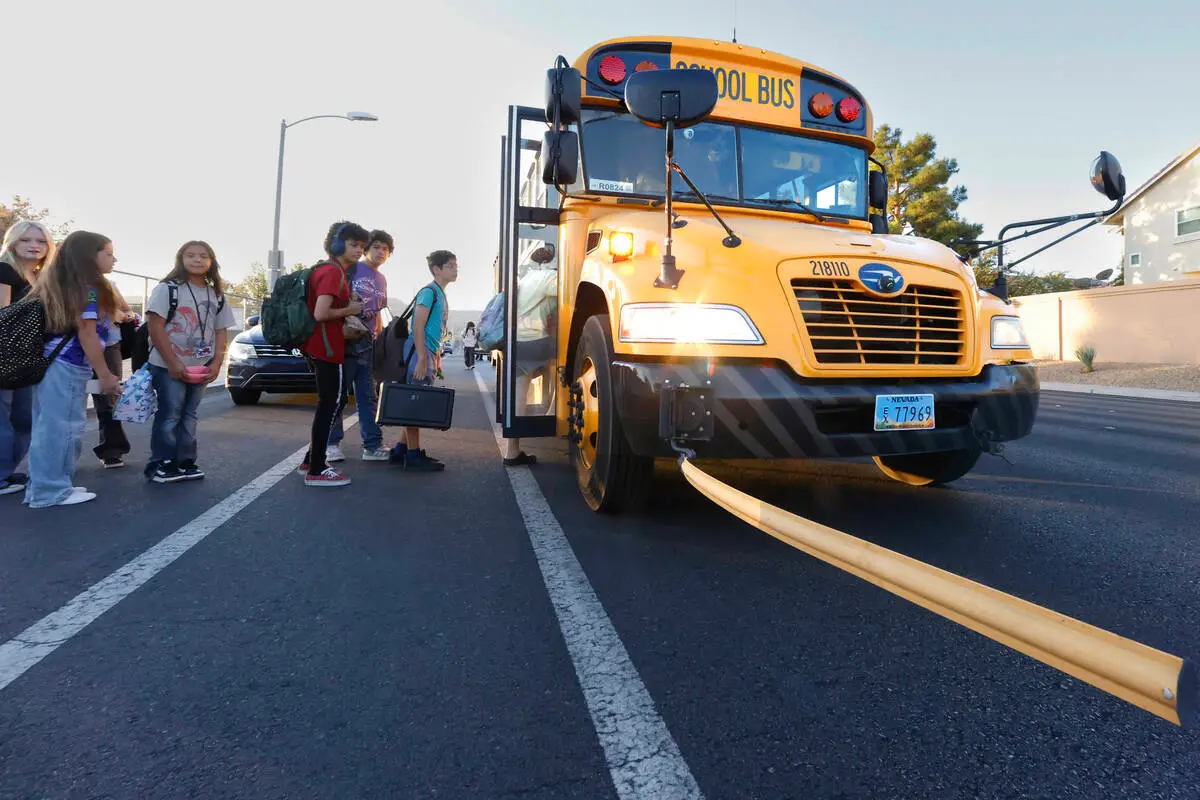
The scale of the operation explains why fuel matters so much. Last school year, CCSD buses carried more than 120,000 eligible riders using about 1,900 buses. The district says that is the largest district-owned and district-operated school bus fleet in the country. Because CCSD owns and runs its own buses, the district pays the fuel bill directly.
The fuel numbers behind the story are just as striking. According to AAA, diesel in Southern Nevada reached a record average of $6.84 a gallon last week. On Wednesday, Sept. 30, it averaged $6.82. Regular unleaded gas in Las Vegas averaged $5.50 a gallon on Wednesday, according to AAA, which is close to the local record set back in June 2022.

Why It Matters to Las Vegas Residents
First, this is school money. Every dollar CCSD spends on diesel is a dollar it cannot spend on something else. The district says the extra cost will come from the central office, not from schools. That is good news for classrooms. But central office money pays for real things too, like support staff, programs and the systems that keep a district of this size running. When $2.9 million has to come from somewhere, something else waits.
Second, the timing is rough. This fall, CCSD was already dealing with a budget fight. The district faced a $51.6 million midyear cut tied to lower enrollment, and parents, teachers and students packed a Sept. 24 board meeting over it. Gov. Joe Lombardo then backed an emergency regulation that funds districts on projected enrollment instead of actual enrollment, and CCSD says all staff keep their jobs this school year. We walked through that fight in our post on Nevada's school funding gap and CCSD's 2027 fix. A surprise fuel bill on top of all that makes an already tight year tighter.
Third, it helps to put the numbers in terms a parent can picture. These are rough estimates using the district's own figures, not numbers CCSD published. If the district spends about $18 million on fuel and runs about 1,900 buses, that works out to roughly $9,500 in fuel per bus for the year. Spread across more than 120,000 riders, it is about $150 per rider. The extra $2.9 million alone is roughly $24 more per rider than last year. That may not sound like much per kid, but it adds up to millions fast.
Fourth, the same prices hit your house. Most families in the valley do not have a bus that shows up at the corner. Many parents drive their kids to school, then drive to work. With regular gas around $5.50 a gallon in Las Vegas, the daily school run costs more than it did a year ago. For families who do rely on the bus, the district's promise to keep the fleet running matters a lot. A working parent cannot easily replace a school bus.
Think about what the bus actually does for a family. It gets a child to school on time without a parent leaving work early or starting late. It keeps cars out of crowded school drop-off lines. For families who share one car, or who work early shifts on the Strip or at the hospitals, the bus can be the only practical way to make the school day work. That is why the district's choice to cover fuel from the central office, instead of trimming service, is the piece of this story that matters most to riders.
Finally, diesel prices do not stop at the bus yard. Diesel moves the trucks that bring groceries, building materials and almost everything else into Southern Nevada. When diesel sets records, those costs tend to show up in prices around town. Local drivers told FOX5 in a Sept. 23 report that they were worried their pay could not keep up if prices kept climbing.
Background and History
So why is diesel so expensive right now? The Review-Journal pointed to two big world events. The first is conflict in the Middle East that led to the closure of the Strait of Hormuz, a narrow waterway that is a major route for the world's oil shipments. The second is Ukrainian attacks on Russian oil refineries. Patrick De Haan, lead petroleum analyst for GasBuddy, told the Review-Journal that prices will not meaningfully improve until one or both of those tensions ease. He said the Strait would need to reopen, or the refinery attacks would need to slow down, before diesel prices come down in a real way.
The climb happened fast. On Sept. 18, the Review-Journal reported that diesel had just hit the highest price ever recorded in Las Vegas, at $6.66 a gallon. At that point, diesel was up 88 cents from a month earlier. On the same date a year before, AAA data showed diesel at $3.94 a gallon. That means diesel cost about $2.72 more per gallon than it did a year earlier. A week later, the Southern Nevada average reached the new record of $6.84.
That Sept. 18 report also showed how wide the problem had become. Statewide, Nevada diesel averaged $6.71 that day, an all-time record for the state. The national diesel average was $6.44. De Haan noted on X that every state except Texas and Oklahoma had reached $6 a gallon or more for diesel, and those two were expected to cross that line soon. Doug Johnson, a spokesperson for AAA Mountain West Group, said crude oil was averaging about $100 a barrel amid continued volatility in the Strait of Hormuz.
Nevada is not alone, but it sits near the top. FOX5 reported on Sept. 23 that Nevada's average diesel price was $6.84, which was 24 cents higher than the week before and 31 cents above the national average of $6.53. That same report said some Las Vegas stations were charging between $6.49 and $7.00 a gallon. Nevada gas prices also rank among the highest in the nation. The Sept. 18 Review-Journal report put Nevada fourth, behind only California, Washington and Hawaii.
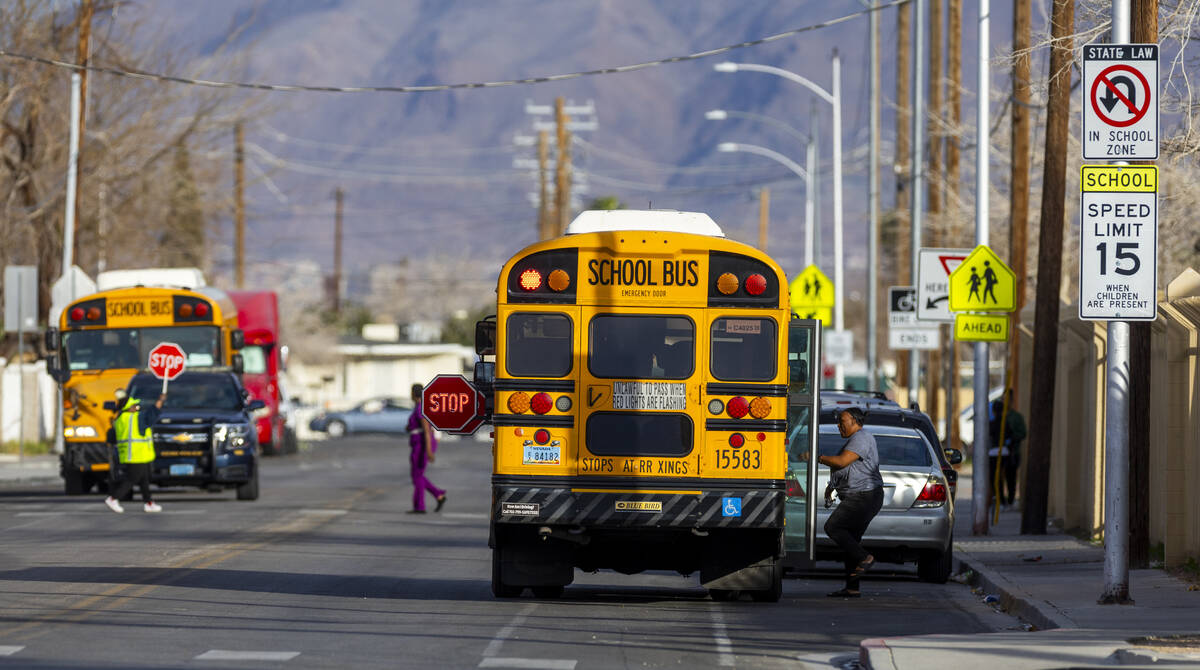
For CCSD, fuel is one of the costs it cannot easily control. The district can plan routes, keep buses maintained and try to cut down on idling. But it cannot set the price of diesel. That is why the district described the problem as "expenditure volatility." A line item that used to be fairly predictable has become one of the hardest to budget for. Two years of steady increases, from about $12.7 million to $15.1 million to a projected $18 million, show how much that line has moved.
What Happens Next
The district's own outlook is the best guide here. CCSD expects higher fuel costs to last through most of the 2026-27 school year. The $2.9 million figure is a projection, not a final bill. If diesel keeps rising, the real number could be higher. If prices fall, it could come in lower. The district has not said it will change bus routes or service because of fuel costs. Its stated plan is to absorb the cost in the central office budget.
The bigger picture is the state budget. The emergency enrollment fix only lasts through February, according to FOX5. After that, the school funding fight moves to the 2027 Nevada Legislature, where CCSD is pushing for a permanent change to how districts get paid. Any time the district has to cover a surprise cost like fuel, it strengthens the case that its budget has very little room to spare. Fuel is one more line item worth watching as trustees work through the budget this year.
On the fuel side, the main things to watch are the ones De Haan named: whether the Strait of Hormuz reopens and whether attacks on Russian refineries slow down. You can also track prices yourself. AAA posts daily gas and diesel averages for Nevada and for the Las Vegas area on its gas prices website. If those numbers start dropping, CCSD's fuel bill should ease too. If they keep rising, the district's estimate could climb.
As of Sept. 30, AAA's site showed the Las Vegas metro diesel average at about $6.83 a gallon and regular gas at about $5.51. Those are still near record levels. A few cents here or there will not change much for a family car. For a fleet of about 1,900 buses running routes across the whole valley every school day, small moves in the price per gallon add up to real money over a full school year.
Ryan's Take
I work with families all over the valley, and schools come up in almost every buyer conversation. Most of the time people ask about test scores or which school a home is zoned for. Stories like this one are a reminder that the budget behind the school matters too. A district that runs 1,900 buses for more than 120,000 kids has a huge fixed cost that it cannot control, and it is paying millions more for it in a year when every dollar is already spoken for. I am glad CCSD is trying to keep the hit out of the classroom. That is the right call.
The other thing I see is how gas prices shape where people want to live. When fuel is this expensive, a long commute costs real money every week. Buyers start to care more about living close to work, close to school, or close to both. A home near a good school that your kids can walk or ride to is worth thinking about in a year like this. That does not mean everyone should move. It just means the daily drive is part of the true cost of a home, and right now that cost is higher than usual.

What You Can Do
If your child rides a CCSD bus, keep an eye on messages from your school and from CCSD Transportation. The district has not announced any route changes, but that is where news would come first. If you are not sure whether your child is eligible for bus service, contact your school or the CCSD Transportation Department directly. Eligibility depends on where you live and which school your child attends, so ask before you assume.
If you want to weigh in on how CCSD spends its money, the Board of School Trustees holds regular public meetings, and residents can give public comment. Meeting agendas and budget documents are posted on the district's website. With the school funding fight headed to the 2027 Legislature, you can also reach out to your state senator and assembly member. Tell them how school budgets affect your family.
For your own budget, a few small habits help while prices are high. Check AAA or a gas price app before you fill up, since prices can swing a lot from one station to the next. Carpool to school with a neighbor if you can. And if you are thinking about a move in the next year or two, factor your daily drive into the math. Being closer to school and work can save real money every month.
Have questions about how this affects your home or neighborhood? Reach out to Ryan Rose or text/call 702-747-5921 anytime. Ryan Rose | Real Broker, LLC | 702-747-5921 | ryan@rosehomeslv.com | rosehomeslv.com
Sources
- Las Vegas Review-Journal: "CCSD spends millions more on fuel as prices rise" by Spencer Levering
- Las Vegas Review-Journal: Las Vegas Valley gas prices up 17 cents in a week, diesel at record in Nevada, by Mick Akers
- FOX5 Vegas: "Las Vegas diesel prices approach $7 per gallon" by Mike Allen
- FOX5 Vegas: "Emergency funds pause CCSD layoffs, but advocates warn Nevada school funding lags" by Johanna Guerrero
- AAA Gas Prices: Nevada averages
Categories
- All Blogs (4859)
- Absentee Owner (4)
- Affordability (3)
- ALIANTE (53)
- Anthem (33)
- Ascension (50)
- Assumable Loan (1)
- Astra (50)
- BLACK MOUNTAIN (55)
- Buyers (22)
- Cadence (17)
- Calico Ridge (50)
- Canyon Fairways (50)
- CANYONS OF SUMMERLIN (55)
- CENTENNIAL HILLS (81)
- Comparisons (46)
- CROSSINGS IN SUMMERLIN (55)
- DESERT SHORES (47)
- Divorce (3)
- Downsizing (13)
- EAGLE HILLS (55)
- Empty Nester (1)
- Enterprise (1)
- EXPIRED LISTINGS (134)
- First Time Homebuyer (4)
- Green Valley (139)
- Henderson (82)
- HORIZONS EDGE (50)
- Housing Market Trends (100)
- Informative (112)
- Inspirada (58)
- Lake Las Vegas (2)
- Lakes Las Vegas (3)
- Las Vegas Real Estate (182)
- Local News (654)
- Luxury (1)
- MacDonald Highlands (88)
- MacDonald Ranch (100)
- Madeira Canyon (93)
- MESQUITE NV (103)
- MOUNTAIN TRAILS (50)
- Mountains Edge (79)
- Naked City (35)
- New Construction (131)
- North Las Vegas (24)
- Northgate (23)
- PALISADES SUMMERLIN (50)
- Probate (28)
- Providence (2)
- Quail Ridge (35)
- QUEENSRIDGE (56)
- Red Rock (1)
- RED ROCK COUNTRY CLUB (60)
- Relocating to Summerlin (207)
- Relocation (45)
- Retired (1)
- Retirement (1)
- Reverence (15)
- RHODES RANCH (64)
- Ridgebrook (40)
- Sellers (255)
- Seven Hills (83)
- Silverado Ranch (1)
- Silverstone Ranch (39)
- SKYE CANYON (100)
- SKYE CANYONE (4)
- Southern Highlands (94)
- Southwest (19)
- SPANISH TRAILS (55)
- SPRING VALLEY (70)
- Summerlin (104)
- Sun City Summerlin (3)
- The Arbors (37)
- The Cliffs (50)
- THE HILLS (55)
- THE PASEOS (55)
- The Pueblos (27)
- THE PUEBLOS OF SUMMERLIN (42)
- THE RIDGES (65)
- THE VISTAS OF SUMMERLIN (50)
- The Willows (60)
- Thoughts on Home Tour (2)
- TOURNAMENT HILLS (50)
- Veterans (3)
- WHITNEY RANCH (55)
- Workers Advantage Program (100)
Recent Posts









GET MORE INFORMATION