
CCSD Back to School 2026: New Rules to Know | Ryan Rose
Related Stories
CCSD Reports Near-Full Staffing and Zero Layoffs
CCSD Expands Campus Security to Elementary Schools
Las Vegas Adds Crossing Guards at 5 More High Schools
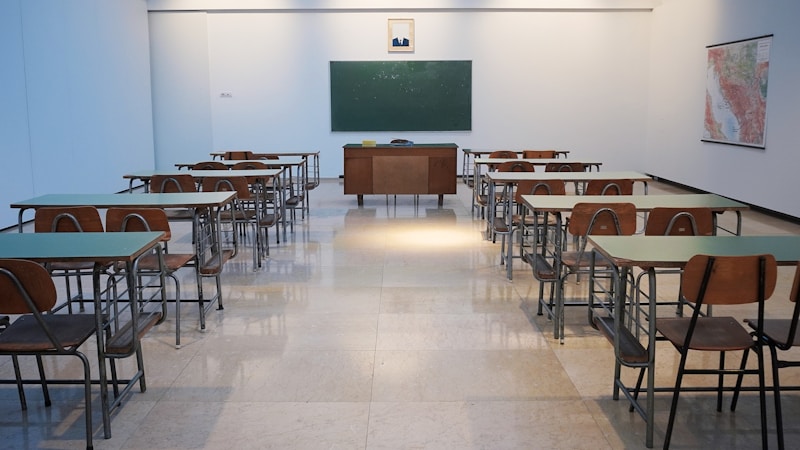
More than 280,000 Clark County students go back to class on Monday, August 10, 2026, and the new year starts with a stack of new rules. Families across the valley are waking up to changes in phone policies, daily schedules, and campus safety all at once.
That makes this first day different from years past. It is not just about new backpacks and fresh sneakers. Parents in every corner of Clark County, from Summerlin to Green Valley to North Las Vegas, are learning a new set of ground rules that shape how their kids spend the school day.
What Happened
The Clark County School District opened the 2026 to 2027 school year on Monday, August 10. CCSD is the fifth largest school district in the country, and it serves more than 280,000 students across hundreds of campuses. When a district this size flips the switch on a new year, the whole valley feels it.
This year the district and local leaders rolled out several policy changes at the same time. The headline change for most families is a tighter approach to cell phones during the school day. Districts across Nevada have been moving toward "bell to bell" phone limits, which means students are expected to keep phones put away from the first bell to the last. The goal is fewer distractions in class and more face-to-face learning.
Schedules are also shifting at some campuses. Start and end times, bus pickup windows, and drop-off routines were adjusted at certain schools, so a lot of parents had to relearn the morning routine. On top of that, safety upgrades that began at high schools are now reaching middle and elementary campuses, with single entry points, perimeter fencing, and secure paths to portable classrooms becoming the norm.
Local governments added their own back-to-school moves. The City of Las Vegas expanded its crossing guard program to five more high schools, part of a larger effort to keep kids safe in busy school zones. Put it all together and the first week of school looks a little different than it did last August.
It is worth remembering just how large this rollout is. CCSD covers the entire county, which means the same rules land in wildly different neighborhoods on the same morning. A brand new school in Skye Canyon and an older campus near downtown Las Vegas both had to open under the same policy on August 10. The district has to make one set of rules work everywhere at once, from the northwest edge of the valley to Boulder City. That scale is a big part of why a change here becomes a story that every local family talks about.
The timing adds to the pressure. August in Las Vegas is brutally hot, and the first days of school often land during triple-digit afternoons. Drop-off lines, bus stops, and walking routes all have to account for the heat. When you layer new entry procedures and adjusted schedules on top of a 108-degree afternoon, small delays feel bigger. The district and local cities know this, which is part of why crossing guards and clear pickup routines matter so much in the opening week.

Why It Matters to Las Vegas Residents
If you have a child in a Clark County school, these changes touch your daily life right away. The phone policy alone changes how families stay in contact during the day. Many parents got used to texting a child at lunch or after a test. Now the expectation is that the phone stays away until the final bell, so families need a new plan for how and when they check in.
The schedule shifts hit working parents hardest. A start time that moves even fifteen minutes can throw off a carefully built morning routine. Drop-off, work commutes, and after-school pickup are all connected. When one piece moves, the whole day has to move with it, and that ripples through neighborhoods from Centennial Hills to Henderson.
Safety upgrades matter to every family, but they also change the flow of the campus. Single entry points mean visitors and even parents may need to check in at one main door. That can add a few minutes to a morning drop-off or an afternoon visit. It is a small trade-off that most parents welcome, but it is still a change worth planning around.
There is also a bigger picture here for anyone who lives in Clark County, not just parents. Strong, safe, well-run schools are one of the biggest factors families weigh when they pick a neighborhood. When the district makes news, it shapes how buyers and renters feel about the whole valley. School quality and home value are tied together more tightly than most people realize.
Renters feel these changes too. Many families rent near a specific school on purpose, so a shift in schedule or safety policy can affect whether a home near a certain campus stays in high demand. In tight rental pockets like parts of Henderson and the southwest, a well-regarded school can be the reason a rental gets three applications in a weekend. The rules a district sets quietly become part of the story a neighborhood tells about itself.
The phone policy also opens a bigger conversation many families have been putting off. Kids and screens is a hard subject at home, and now the school is drawing a firm line during the day. Some parents will love that the school is taking the lead. Others will worry about reaching their child quickly. Both reactions are fair, and both will show up in group chats across the valley this week. The point is that a district rule is now shaping a household habit, and that is a real change for a lot of homes.

Background and History
The push to limit phones in class did not come out of nowhere. Over the past few years, teachers, parents, and lawmakers across the country have raised concerns about screens pulling focus away from learning. Studies and classroom stories both pointed to the same thing. Phones in pockets often mean divided attention, and divided attention makes teaching harder.
Nevada leaders responded by encouraging clearer, stricter phone rules in schools. CCSD, as the state's largest district by far, was always going to be the biggest test of how those rules play out. What works in a small rural district and what works across 280,000 students are two very different challenges. This year is the district's chance to show the approach can scale.
The safety upgrades follow a similar path. After years of national attention on school security, CCSD started hardening its high school campuses first. Single points of entry, fencing, and controlled access became standard at the older grade levels. Now the district is extending that same playbook down to middle and elementary schools, where the youngest and most vulnerable students spend their days.
The crossing guard expansion fits the pattern too. As traffic in the valley has grown, school zones near busy roads have become a real worry for parents. Adding guards at more campuses is a direct answer to that concern, and it reflects how fast some parts of Clark County have grown over the last decade.
It also helps to remember how much CCSD has grown as a district. Las Vegas has been one of the fastest growing metros in the country for years, and the schools have had to keep pace with new families arriving from California, the Midwest, and beyond. That growth is why you see so many portable classrooms on campuses and why secure routes to those portables are now part of the safety plan. The district is not just running schools. It is managing a system that keeps expanding with the valley itself.
The staffing picture is part of this backdrop as well. Heading into the year, CCSD said it opened with roughly 99 percent of classrooms staffed and about 400 new teachers, with no layoffs. Some critics have questioned how those numbers are counted, but the district has framed the start of the year as a stable one. A settled staffing picture makes it far easier to roll out new rules, because teachers are the ones who enforce phone policies and manage the new routines day to day.
What Happens Next
The first few weeks of school will be the real test. Rules look clean on paper, but the classroom is where they either work or fall apart. Expect schools to spend the opening days teaching students the new phone routine, walking families through the safety changes, and smoothing out the schedule bumps that always come with a fresh start.
Parents should watch for updates from their specific school. Bell times, entry procedures, and pickup rules can vary from one campus to the next, so the details that matter most are the ones tied to your child's school. Principals and school offices will be the best source, and many schools send this information home in the first week.
Longer term, the district will be watching how the phone policy affects the classroom and how families adjust. If it goes well, expect it to stick and even tighten. If it creates problems, expect tweaks. Either way, the 2026 to 2027 year is setting a tone that will shape how CCSD handles rules for years to come.
Keep an eye on the traffic patterns too. New crossing guards and adjusted bell times can change the flow near a campus for the whole surrounding neighborhood, not just for families with kids in that school. If you drive past a high school on your morning commute, you may notice new guards, new stop points, and heavier foot traffic in the first weeks. Give yourself a few extra minutes until the new rhythm settles in.
There will also be public meetings and board updates as the year moves along. The CCSD Board of Trustees meets regularly, and back-to-school policies almost always come up for review once the year is underway. Parents who want a say in how these rules evolve will have chances to speak up. The first month tells the district a lot, and the feedback that follows often shapes the next round of decisions.
Ryan's Take
As someone who helps families move all over Clark County, I can tell you schools are almost always part of the conversation. Buyers ask about them before they ask about square footage. When CCSD makes a change this big, it matters to homeowners even if their own kids are grown, because school reputation is baked into neighborhood value.
My honest read is that clearer rules, safer campuses, and better school zones are good news for the valley over time. Families want to feel their kids are focused and protected. Neighborhoods that sit near strong, well-run schools tend to hold their value even when the wider market wobbles. If you are thinking about where to plant roots in Las Vegas, the school your street feeds into is worth a close look, not an afterthought.
I always tell buyers to look past the marketing and check the real zoning. Two homes on the same side of town can feed into very different schools, and that difference can follow you at resale. Even if you do not have kids, the next buyer might, and that school assignment can help or hurt your sale years down the road. In a market where Las Vegas sellers are already adjusting prices, buyers are picky, and the school zone is one of the details that tips a decision. When the district invests in safety and structure, it quietly strengthens the case for the neighborhoods those schools serve.

What You Can Do
Start with your own school. Check the CCSD website and your child's campus page for the exact bell times, entry rules, and phone policy details. The district posts calendars and back-to-school information online, and your school office can answer the questions that are specific to your family.
Build a new check-in plan with your kids. If phones stay away all day, agree on how you will reach each other in an emergency and how pickup will work. A few minutes of planning at the kitchen table can save a lot of stress in the first week. Talk through the new drop-off route too, since single entry points can change where you park and walk.
Do a quick school zone check if you are house hunting. Before you fall in love with a home, confirm which elementary, middle, and high school it actually feeds into. The district's zoning tool and your agent can both help, and it only takes a few minutes. This one step saves families from a surprise later, especially in fast-growing areas where boundaries shift as new schools open.
Finally, stay involved. Attend a back-to-school night, join the parent group, or simply introduce yourself to the front office staff. Engaged parents make schools stronger, and strong schools make neighborhoods more desirable. If you are weighing a move and want to understand how a specific school zone affects home values in your target area, that is exactly the kind of local question I am happy to help with.
Have questions about how this affects your home or neighborhood? Reach out to Ryan Rose or text/call 702-747-5921 anytime.
Sources
Categories
- All Blogs (4796)
- Absentee Owner (4)
- Affordability (3)
- ALIANTE (53)
- Anthem (33)
- Ascension (50)
- Assumable Loan (1)
- Astra (50)
- BLACK MOUNTAIN (55)
- Buyers (22)
- Cadence (17)
- Calico Ridge (50)
- Canyon Fairways (50)
- CANYONS OF SUMMERLIN (55)
- CENTENNIAL HILLS (81)
- Comparisons (46)
- CROSSINGS IN SUMMERLIN (55)
- DESERT SHORES (47)
- Divorce (3)
- Downsizing (13)
- EAGLE HILLS (55)
- Empty Nester (1)
- Enterprise (1)
- EXPIRED LISTINGS (134)
- First Time Homebuyer (4)
- Green Valley (139)
- Henderson (82)
- HORIZONS EDGE (50)
- Housing Market Trends (100)
- Informative (112)
- Inspirada (58)
- Lake Las Vegas (2)
- Lakes Las Vegas (3)
- Las Vegas Real Estate (182)
- Local News (591)
- Luxury (1)
- MacDonald Highlands (88)
- MacDonald Ranch (100)
- Madeira Canyon (93)
- MESQUITE NV (103)
- MOUNTAIN TRAILS (50)
- Mountains Edge (79)
- Naked City (35)
- New Construction (131)
- North Las Vegas (24)
- Northgate (23)
- PALISADES SUMMERLIN (50)
- Probate (28)
- Providence (2)
- Quail Ridge (35)
- QUEENSRIDGE (56)
- Red Rock (1)
- RED ROCK COUNTRY CLUB (60)
- Relocating to Summerlin (207)
- Relocation (45)
- Retired (1)
- Retirement (1)
- Reverence (15)
- RHODES RANCH (64)
- Ridgebrook (40)
- Sellers (255)
- Seven Hills (83)
- Silverado Ranch (1)
- Silverstone Ranch (39)
- SKYE CANYON (100)
- SKYE CANYONE (4)
- Southern Highlands (94)
- Southwest (19)
- SPANISH TRAILS (55)
- SPRING VALLEY (70)
- Summerlin (104)
- Sun City Summerlin (3)
- The Arbors (37)
- The Cliffs (50)
- THE HILLS (55)
- THE PASEOS (55)
- The Pueblos (27)
- THE PUEBLOS OF SUMMERLIN (42)
- THE RIDGES (65)
- THE VISTAS OF SUMMERLIN (50)
- The Willows (60)
- Thoughts on Home Tour (2)
- TOURNAMENT HILLS (50)
- Veterans (3)
- WHITNEY RANCH (55)
- Workers Advantage Program (100)
Recent Posts






GET MORE INFORMATION