
Boulder City Approved 5 Percent Utility Rate Hikes Every Year for Three Years, Starting This Month
Related Stories
Boulder City Proposes a Utility Rate Hike
Colorado River Water Year Begins: Nevada's Cut
Surprise $6,800 HOA Bill: Your Options in NV
Boulder City utility bills are going up 5 percent this month, and they will go up another 5 percent in October 2027 and again in October 2028. The Boulder City Council voted unanimously to raise electric, water and sewer rates, which adds up to about 16 percent more by 2028.
The city says the money will pay to run, fix and replace old utility systems. Some of that equipment is more than 70 years old. If you live in Boulder City, own a business there, or are thinking about buying a home there, this change touches your monthly budget. Here is what was approved, why the city says it needs the money, and what you can do to soften the hit.
Boulder City is one of the few places in Southern Nevada that runs its own electric company. That means the city, not a big private utility, sets the price you pay for power. So when the city's power lines and substations get old, the cost of fixing them lands right on local bills.
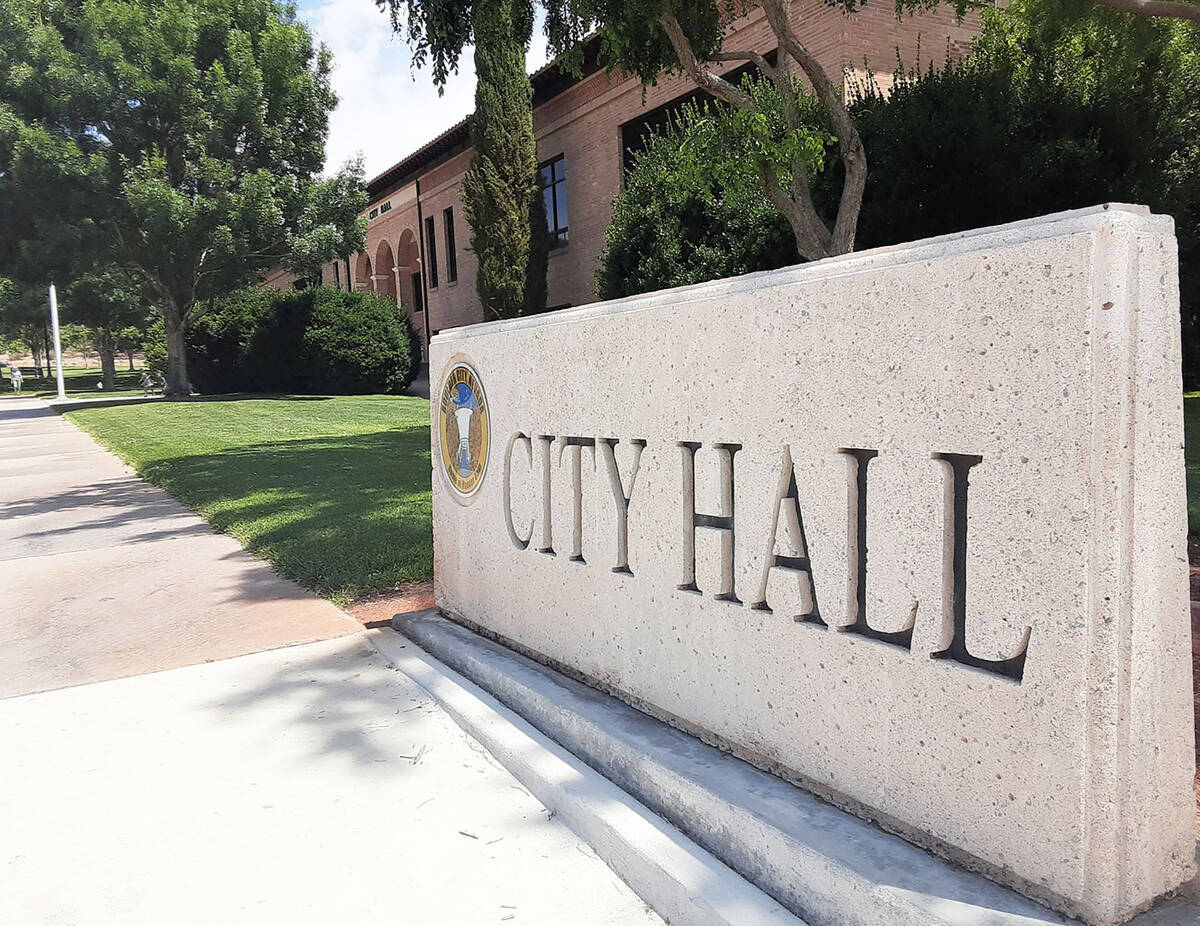
What Happened
The Boulder City Council approved a plan to raise rates for three city utilities: electric, water and wastewater (sewer). The vote was unanimous. The first 5 percent increase starts in October 2026. The next two hit in October 2027 and October 2028. Because each raise stacks on top of the last one, the total climb over three years comes out to about 16 percent, not 15.
The Boulder City Review reported the vote on Oct. 1. The city expects the higher rates to bring in about $1,458,000 more each year. Here is how that breaks down by utility:
- Electric: about $925,000 a year
- Water: about $393,000 a year
- Wastewater (sewer): about $94,000 a year
Electric is the big piece. It makes up close to two thirds of the new money. The city has said the electric dollars will help pay for its capital program and future projects meant to keep an aging power system reliable. The water dollars will start to close an operating deficit in the water fund. The sewer dollars will go toward wastewater capital projects.
Not everyone was on board. The city received 11 letters opposing the increase. Nine came from individual residents. Two came from local businesses, out of the hundreds of businesses that got a notice about the change. Still, every council member voted yes.
Councilwoman Sherri Jorgensen explained the vote in plain terms. "You can only push off replacements or maintenance for just so long," she said, according to the Boulder City Review. She said the city had reached a point where the increases were needed. City Manager Ned Thomas also pointed to aging systems that need work.
Thomas made one more point clear. He said the rate study started in July 2025, and its scope is "citywide and unrelated to any specific development proposal or project." In other words, the city says this is not about paying for one new project. It is about keeping the whole system running.

Why It Matters to Las Vegas Residents
If you live in Boulder City, this is simple: your utility bill goes up this month. The city's public works director wrote in a September column that the first-year increase would raise the average residential electric bill by less than $7 a month for a 1,800-square-foot home. That is not a huge jump on its own. But it comes back every October for three years, and it covers water and sewer too.
Here is a simple way to picture the stacking effect. This is just an example, not a real bill. Say your combined Boulder City utility charges come to $100 a month today. After this month, that becomes $105. In October 2027, 5 percent more makes it about $110.25. In October 2028, another 5 percent brings it to about $115.76. That is where the "about 16 percent" figure comes from. Each raise is taken on the new, higher amount, not the old one.
Your actual change depends on how much power and water you use. A family in a larger home that runs the AC hard all summer will feel it more in dollars than a single person in a small condo. The percentage is the same for everyone, but the dollar amount grows with your usage.
Small monthly costs add up. A few dollars here and a few dollars there turn into real money over a year. For retirees on a fixed income, that matters. Boulder City has a lot of longtime residents who have lived in the same home for decades. Their income often does not rise 5 percent a year. So a steady climb in the cost of the basics can squeeze a household budget.
Local businesses feel it too. Restaurants, shops and offices along Nevada Way run lights, air conditioning, coolers and water all day. Any jump in utility cost is a jump in the cost of doing business. Some of that cost can end up in the price of a meal or a service.
If you live in Henderson, Summerlin or the rest of the valley, you may wonder why this matters to you. Here is why. Most of the valley buys power from NV Energy, which sets its rates through a state process. Boulder City is different. It owns its own system, so the city council makes these calls. That is a good reminder that utility costs are not the same everywhere in Clark County. They can change a lot from one city to the next.
For home buyers, this is part of the real cost of owning a home. When people compare homes, they look at price, taxes and HOA dues. Fewer people look at the monthly utility bill. But over five or ten years, power, water and sewer can add up to more than you think. If Boulder City is on your list, plan for these yearly bumps in your budget.
Background and History
This vote did not come out of nowhere. The city started a full utility rate study in July 2025. It hired a consulting firm, FCS Group, to build a financial plan and rate study for the electric, water and wastewater systems. The study covered fiscal years 2027 through 2029.
On July 8, 2026, the city's Utility Advisory Committee voted unanimously to recommend 5 percent yearly increases. On July 23, the city announced the proposal to the public. Residents and businesses had until Aug. 13 to send comments by email, online form or mail. The city said comments on social media would not count. After the comment period, the council took its final vote.
That process matters. It gave residents more than two months between the first public notice and the final decision. Spreading an increase over three years also lets households and businesses adjust a little at a time, and it gives the utilities a predictable stream of money to plan projects around.
The city has been clear that its utilities are budgeted separately from the rest of city government. Money for police, parks and streets comes from a different pot. Your utility payments go back into the utility systems. That is why the city cannot simply move general tax money over to cover a shortfall in the water or electric fund.
In September, Public Works and Utilities Director Gary Poindexter wrote a column in the Boulder City Review to explain how the electric system works. He said Boulder City Utilities runs as an enterprise fund under Nevada law. That means it works like a business. It has to pay its own way through customer bills. It does not get property tax or sales tax money. He also wrote that "the city held rates as low as it could for as long as it could."
He cleared up a common belief, too. Many people think Boulder City gets free power from Hoover Dam, since the dam sits just down the road. It does not. The city has a long-term hydropower contract that runs through 2067, and the price on that contract changes over time. The city also buys power from other sources, including Townsite Solar and other energy partners. On top of the power itself, the city pays for moving that power, plus equipment and crews.

The age of the equipment is the heart of the issue. According to Poindexter, all six of the city's substations use equipment that is 30 to 70 years old. Substation 1 has transformers from the 1950s through the 1970s. Substations 1 through 3 still use 1950s-era technology to cut off power, which he called hazardous. Substation 4 dates to the 1980s. The city's five-year plan for upgrades, circuit ties and new meters comes to $37.1 million. The electric system serves about 6,800 residential customers.
What Happens Next
The first 5 percent increase starts this month, October 2026. Look for it on your next Boulder City utility bill. The second increase is set for October 2027. The third is set for October 2028. By then, rates will be about 16 percent higher than they were before this month.
The extra money is meant to go into the city's utility funds, which are kept separate from the general city budget. On the electric side, it helps pay for the work on old substations and lines. On the water side, it starts to fix a deficit in the water fund. On the sewer side, it supports capital projects. Residents who want to track how the money gets spent can watch city council and Utility Advisory Committee meetings, where budget and project updates come up.
It is also worth knowing what this vote does not cover. The city's July announcement said landfill fees were not part of this proposal. So the three increases apply to electric, water and wastewater only. If you see other changes on your bill, check the line items to see which service they come from.
There is also a bigger picture to watch. The new Colorado River water year started on Oct. 1, and Nevada faces cuts under a short-term deal. The Southern Nevada Water Authority has said no new conservation rules are needed for residents under most likely outcomes, for now. Water costs across Southern Nevada are worth keeping an eye on over the next few years. We cover that story in our post on the new Colorado River water year.
Ryan's Take
Nobody likes a higher bill. I get it. But I would rather see a city fix old equipment on a plan than wait for something to break in the middle of a July heat wave. The city itself noted that putting off projects leads to service failures, and that emergency repairs cost a lot more than planned ones. As a homeowner, I think about my house the same way. You can push off a new water heater or a roof repair for a while. But when it fails, it always costs more. A city power grid works the same way, just on a much bigger scale.
For buyers, Boulder City is still a special place. It has a small-town feel, a walkable downtown and quick access to Lake Mead. This rate increase does not change that. It just means you should look at the full monthly cost of a home, not only the mortgage. When I help clients compare homes, I like to talk through utilities, HOA dues and taxes side by side. A home that looks cheaper on paper is not always cheaper to live in. And for sellers in Boulder City, being upfront about typical bills is a great way to build trust with buyers.

What You Can Do
First, get help if you need it. Several programs can ease the cost. The Nevada Energy Assistance Program helps with yearly electric and heating costs. You can learn more at dss.nv.gov/programs/energy. Boulder City also runs its own Energy Assistance Program, which offers up to a 35 percent discount on energy costs for residents who qualify. You can pick up an application at City Hall, 401 California Ave., at the Utilities window. And United Way of Southern Nevada's Project REACH offers up to $300 a year for eligible residents age 62 and older. Details are at uwsn.org/projectreach.
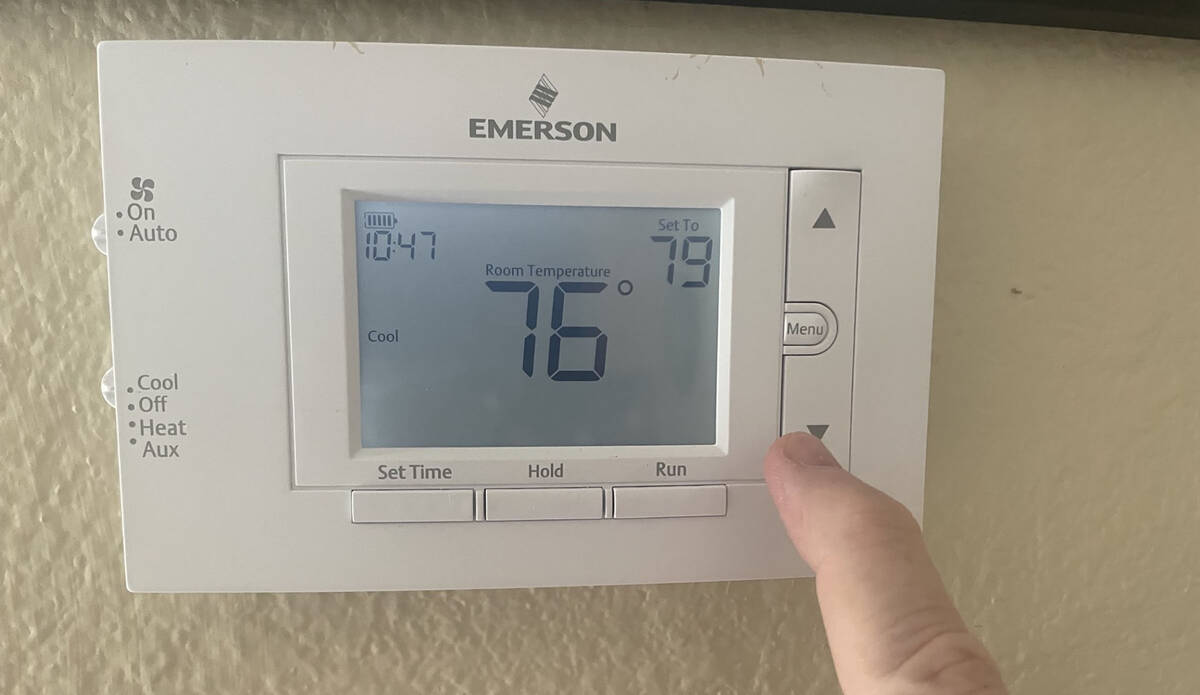
Second, trim what you use. Simple steps help. Set your thermostat a few degrees higher in summer and lower in winter. Change your AC filter on schedule. Seal gaps around doors and windows. Fix leaky faucets and running toilets, since water and sewer both went up. Check your yard irrigation for broken heads or a timer that runs too long. Swap old bulbs for LEDs. Run the dishwasher and washer with full loads. None of these will erase a rate increase, but together they can offset some of it.
Third, stay involved. The city posted information about the rate increase on its website at bcnv.org. The Utility Advisory Committee and the City Council hold public meetings, and you can speak or send written comments. Your input matters most before a vote, not after it. If you are buying in Boulder City, ask the seller for a year of utility bills so you know what to expect. If you are selling, have those bills ready. It makes the whole process smoother.
Have questions about how this affects your home or neighborhood? Reach out to Ryan Rose or text/call 702-747-5921 anytime. Ryan Rose | Real Broker, LLC | 702-747-5921 | ryan@rosehomeslv.com | rosehomeslv.com
Sources
Boulder City Review: "Council approves rate hike" (Ron Eland)
Boulder City Review: "Understanding Boulder City's electrical rates" (Gary Poindexter)
City of Boulder City: "City Proposes 5% Utility Rate Increase for Next 3 Years"
KTNV 13 Action News: "New water year begins with cuts on horizon"
Categories
- All Blogs (4919)
- Absentee Owner (4)
- Affordability (3)
- ALIANTE (53)
- Anthem (33)
- Ascension (50)
- Assumable Loan (1)
- Astra (50)
- BLACK MOUNTAIN (55)
- Buyers (22)
- Cadence (17)
- Calico Ridge (50)
- Canyon Fairways (50)
- CANYONS OF SUMMERLIN (55)
- CENTENNIAL HILLS (81)
- Comparisons (46)
- CROSSINGS IN SUMMERLIN (55)
- DESERT SHORES (47)
- Divorce (3)
- Downsizing (13)
- EAGLE HILLS (55)
- Empty Nester (1)
- Enterprise (1)
- EXPIRED LISTINGS (134)
- First Time Homebuyer (4)
- Green Valley (139)
- Henderson (82)
- HORIZONS EDGE (50)
- Housing Market Trends (100)
- Informative (112)
- Inspirada (58)
- Lake Las Vegas (2)
- Lakes Las Vegas (3)
- Las Vegas Real Estate (182)
- Local News (714)
- Luxury (1)
- MacDonald Highlands (88)
- MacDonald Ranch (100)
- Madeira Canyon (93)
- MESQUITE NV (103)
- MOUNTAIN TRAILS (50)
- Mountains Edge (79)
- Naked City (35)
- New Construction (131)
- North Las Vegas (24)
- Northgate (23)
- PALISADES SUMMERLIN (50)
- Probate (28)
- Providence (2)
- Quail Ridge (35)
- QUEENSRIDGE (56)
- Red Rock (1)
- RED ROCK COUNTRY CLUB (60)
- Relocating to Summerlin (207)
- Relocation (45)
- Retired (1)
- Retirement (1)
- Reverence (15)
- RHODES RANCH (64)
- Ridgebrook (40)
- Sellers (255)
- Seven Hills (83)
- Silverado Ranch (1)
- Silverstone Ranch (39)
- SKYE CANYON (100)
- SKYE CANYONE (4)
- Southern Highlands (94)
- Southwest (19)
- SPANISH TRAILS (55)
- SPRING VALLEY (70)
- Summerlin (104)
- Sun City Summerlin (3)
- The Arbors (37)
- The Cliffs (50)
- THE HILLS (55)
- THE PASEOS (55)
- The Pueblos (27)
- THE PUEBLOS OF SUMMERLIN (42)
- THE RIDGES (65)
- THE VISTAS OF SUMMERLIN (50)
- The Willows (60)
- Thoughts on Home Tour (2)
- TOURNAMENT HILLS (50)
- Veterans (3)
- WHITNEY RANCH (55)
- Workers Advantage Program (100)
Recent Posts






GET MORE INFORMATION