
Las Vegas Small Businesses Face Rising Costs | Ryan Rose
May 8, 2026 · Ryan Rose, Real Broker LLC
At a Senate roundtable, local business owners from the Arts District and beyond described the mounting financial pressure of higher expenses and fewer visitors.

Opening
Owning a small business in Las Vegas has never been easy. Thin margins, seasonal swings, and constant competition have always been part of the deal. But right now, many local business owners say they are facing a different kind of challenge. Costs are climbing on everything from food to rent. Foot traffic is slowing down. And the international visitors who used to fill shops and restaurants are simply not showing up like they used to.
On May 7, 2026, U.S. Senator Catherine Cortez Masto held a roundtable in the Las Vegas Arts District to hear directly from the people running these businesses. The owners who showed up did not hold back. They described a combination of rising supply costs, shrinking revenue, and a tourism slowdown that is hitting them from every angle.
The numbers back up what they are saying. Las Vegas visitation dropped 7.5% in 2025, falling to about 38.5 million visitors. That was the lowest total since 2021 and the biggest non-pandemic drop in more than 55 years. Canadian visitors, historically one of the city's largest international groups, fell 17.4% compared to 2024. International visitation overall dropped 4.8%.
These are not just statistics. They translate directly to fewer customers walking through doors, fewer orders placed, and fewer dollars circulating through the neighborhoods where these businesses operate. For small business owners who were already running on tight margins, the downturn is making it harder and harder to keep the lights on.
What Happened

Senator Cortez Masto's roundtable brought together a small but vocal group of business owners, each with a different story that pointed to the same conclusion: small businesses in Las Vegas are hurting.
Kristen Corral, co-founder of Tacotarian, a plant-based Mexican restaurant, spoke about the reality of running a food business when ingredient costs keep going up. She and her husband Carlos opened Tacotarian in 2018 and launched their Arts District location in December 2019, just months before the pandemic turned the industry upside down. Now, even with the pandemic behind them, the financial pressure has not let up. Corral put it simply: there is only so much you can charge for a taco. No matter how high the cost of avocados, limes, or napkins goes, customers have a price ceiling. Push past it and they stop coming in.
Megan Comfort and Austin Spencer, co-owners of Studio 21 Tattoo Gallery, told a different version of the same story. Their shop has been open for 23 years, located just five minutes from the Strip off West Flamingo Road. Canadian and European guests used to account for roughly 25% of their revenue. In recent months, that number dropped to zero. The international customers who once made up a reliable chunk of their business have simply stopped coming.
Brian "Paco" Alvarez, a cultural anthropologist and tour operator partner who also serves as Vice President of the 18b Las Vegas Arts District, shared data from his own experience. In 2023, he ran 16 tours with a Hong Kong-based travel company. In 2024, that dropped to 14 tours. By 2025, it was down to just three. The decline was steep and unmistakable.
Other participants included Josh Kellman, President of the 18b Las Vegas Arts District, and Ira Kaganovsky Green of Freedom Deodorant, a local product brand. Each added their own perspective on how the current economic conditions are squeezing small operators.
Cortez Masto used the roundtable to highlight the connection between national policy decisions and local business outcomes. She pointed to blanket tariffs on allied nations, increased costs and complexity for foreign visitors, federal workforce cuts, and the elimination of the BrandUSA program, which had promoted travel to the United States internationally.
- 38.5 million: Las Vegas visitors in 2025, a 7.5% drop from 2024
- 17.4%: Decline in Canadian visitors to Las Vegas in 2025
- 4.8%: Overall decline in international visitation to Las Vegas
- 25% to 0%: Studio 21 Tattoo's international revenue share, before and after the downturn
- 16 to 3: Tour bookings with a Hong Kong travel company, from 2023 to 2025
Why It Matters
Las Vegas runs on tourism. That is not an exaggeration. The city's entire economic engine depends on people visiting, spending money, and going home. When fewer visitors come, the impact ripples outward from the Strip to every neighborhood restaurant, tattoo shop, tour company, and retail store in the valley.
Small businesses are often the first to feel it and the last to recover. Unlike the big casino-resort operators, they do not have massive cash reserves or diversified revenue streams. A restaurant in the Arts District lives and dies by the number of customers who walk through the door each week. A tattoo shop near the Strip depends on a steady flow of tourists looking for a memorable souvenir. When those customers vanish, these businesses do not have a backup plan.
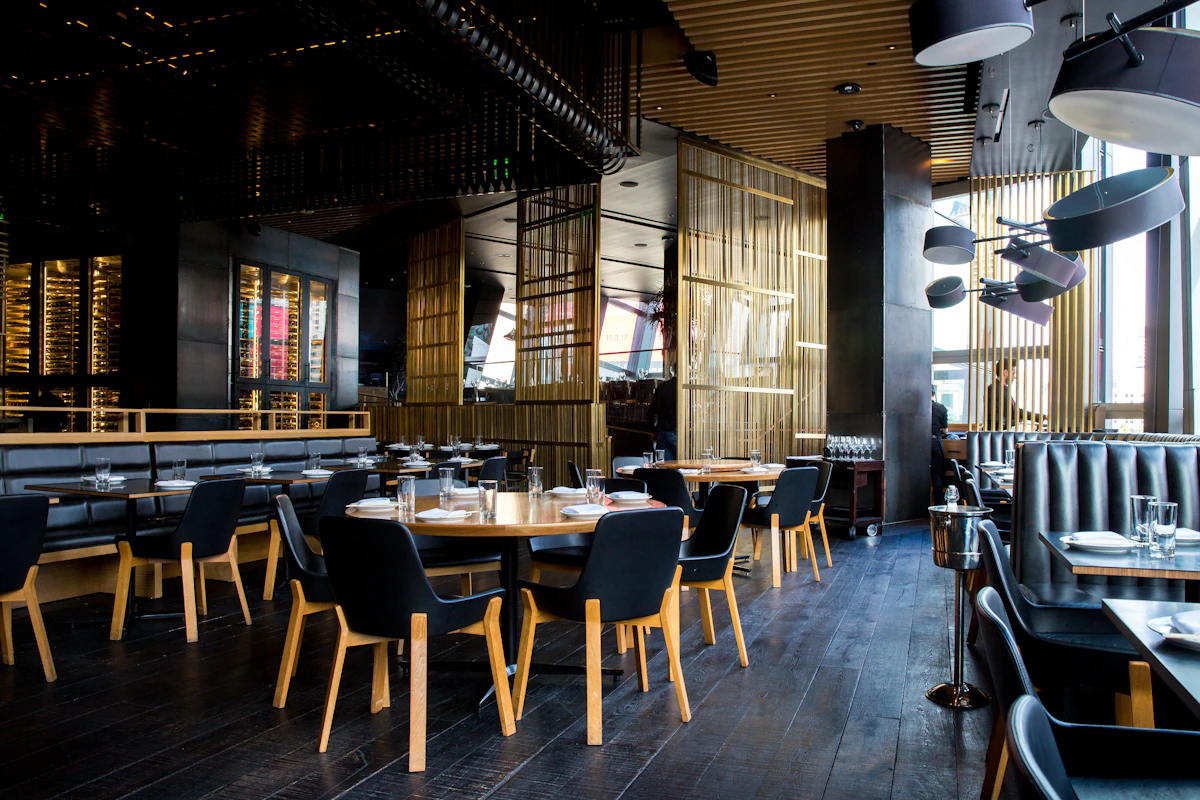
The financial strain is compounding. Business owners are dealing with higher costs for ingredients, supplies, rent, insurance, and labor, all at the same time that their revenue is falling. Restaurant margins in the industry average around 5% before taxes. When food and labor costs jump 35% over five years, as national industry data shows, that margin can disappear fast.
For the Arts District specifically, the stakes are high. This 18-block neighborhood has become one of the fastest-growing areas in Las Vegas. New restaurants, galleries, bars, and boutiques have opened over the past several years. First Friday events draw 20,000 to 25,000 people monthly. But growth means nothing if the businesses that fuel it cannot survive the current downturn.
There is also a broader housing and neighborhood impact. When small businesses close, commercial vacancies increase. Foot traffic drops further. Property values in surrounding areas can stagnate or decline. For homeowners and renters in neighborhoods like the Arts District, downtown, and the areas near the Strip, the health of local businesses is directly tied to the health of the community.
This matters for anyone who owns property in Las Vegas. A strong local business environment supports home values. Empty storefronts and closed restaurants do the opposite. The connection between commercial activity and residential property values is real, and it is something every homeowner should be paying attention to right now.
Background
The tourism slowdown did not happen overnight. It has been building for more than a year, driven by a combination of economic uncertainty, international policy friction, and shifting travel patterns.
The biggest factor has been the decline in international visitors. The United States is currently the only major country experiencing a decrease in inbound international tourism. Several policy changes have contributed to this trend. New tariffs on imports from allied nations have strained diplomatic relationships and made the U.S. a less attractive destination for some travelers. The BrandUSA program, which promoted international tourism to the United States, was eliminated.
National park fees have also increased significantly. Annual overseas visitor passes went from $80 to $250 per vehicle. On top of that, a new $100-per-person charge for visitors ages 16 and older took effect at 11 popular national parks on January 1. For international visitors planning trips that combine Las Vegas with nearby parks like the Grand Canyon, Zion, or Death Valley, these higher costs are a real deterrent.
Canadian visitors have been hit particularly hard. A 17.4% decline in Canadian arrivals represented the loss of roughly 252,400 visitors. Major Canadian airlines have cut capacity to Las Vegas by 30%, and U.S. carriers have reduced available seats by about 7% for early 2026.
Meanwhile, hotel metrics tell a similar story. Room occupancy in Las Vegas fell to 80.3% in 2025, down 3.3 points from the prior year. The average daily room rate dropped 5% to $183.52, and revenue per available room declined 8.8% to $147.30. These numbers suggest that even the visitors who do come are spending less.
"Historically, we've never had an administration so anti-tourism as we've had now." — Brian "Paco" Alvarez, cultural anthropologist and tour operator
What Happens Next

Several things could shape how this plays out over the coming months. Senator Cortez Masto has proposed the Fair and Transparent Gas Prices Act and has requested that Interior Secretary Doug Burgum halt the implementation of the new national park fees. Whether those efforts gain traction remains to be seen.
The USMCA trade agreement is up for review in July 2026. That review could affect trade relationships with Canada and Mexico, which in turn could influence travel patterns. If tensions ease and tariff policies shift, Canadian visitors might start returning. If they do not, the decline could deepen.
On the local level, the Arts District continues to develop. The Midtown Las Vegas project recently began foundation work, marking a major development milestone in the neighborhood. New businesses are still opening, even as existing ones struggle. The question is whether the neighborhood's momentum can survive a prolonged tourism downturn.
Airline capacity is another factor to watch. With U.S. carriers offering 7% fewer seats to Las Vegas and Canadian carriers cutting 30%, the supply side of tourism is shrinking. Even if demand picks up, reduced flight availability could slow the recovery.
For small business owners, the path forward likely involves a combination of cutting costs where they can, diversifying revenue streams, and waiting for the broader tourism picture to improve. Some may not make it. The ones that do will be leaner and more resilient, but nobody would call that an ideal outcome.
A report from the Joint Economic Committee confirmed that the tourism decline is a nationwide issue, not just a Las Vegas problem. But Las Vegas, more than almost any other American city, depends on travel and hospitality. What is a slowdown elsewhere is a crisis here.
Ryan's Take
I talk to homeowners and buyers every day who are trying to make sense of what is happening in Las Vegas right now. And one thing I always tell them is this: you cannot separate the housing market from the local economy. They are connected. When businesses thrive, neighborhoods thrive. When businesses struggle, it shows up in everything from home values to the quality of life on your street.
What I heard from these business owners at the roundtable is concerning. These are not people who are being dramatic. They are running real businesses, paying real bills, and watching their customer base shrink in real time. When a tattoo shop five minutes from the Strip goes from 25% international revenue to zero, that is a clear signal.
For homeowners in the Arts District, downtown, and surrounding areas, this is worth paying attention to. The health of the businesses in your neighborhood directly affects your property value. And for anyone thinking about buying in these areas, it is important to understand both the challenges and the opportunities. The Arts District is still growing. Development is still happening. But the short-term pressures are real.
I am keeping a close eye on tourism numbers, business openings and closings, and any policy changes that could shift the trajectory. If you want to talk about how any of this affects your specific situation, whether you are buying, selling, or just trying to understand the market, I am always happy to chat.
What You Can Do
If you live in Las Vegas, one of the simplest things you can do right now is support local businesses. Eat at neighborhood restaurants. Shop at local stores. Attend events like First Friday in the Arts District. These businesses depend on locals, especially when tourist traffic is down.
If you are a homeowner, stay informed about what is happening in your neighborhood commercially. New business openings, closings, vacancy rates, and development projects all affect your property value. Knowing what is going on gives you a better position when it comes time to make decisions about your home.
If you are thinking about buying a home in the Arts District or downtown Las Vegas, now might be a good time to look. Prices in these areas may soften as the business environment works through its current challenges, and neighborhoods that are still attracting investment and development tend to recover well over time.
If you are a small business owner dealing with these pressures, reach out to local organizations like the 18b Las Vegas Arts District or your city council representative. Programs and resources may be available to help bridge the gap during this downturn.
And if you have questions about how the local economy connects to the housing market, that is exactly the kind of conversation I have every day. Understanding the bigger picture is what helps you make smart decisions about real estate.
Have questions about how this affects your home or neighborhood? Reach out to Ryan Rose or text/call 702-747-5921 anytime.
Sources
- Small-business owners detail financial strain at roundtable with Cortez Masto - VEGAS INC / Las Vegas Sun
- Cortez Masto, Small Business Owners Shine Light on Trump Tourism Slowdown - Senator Catherine Cortez Masto
- Las Vegas visitation falls 7.5 percent in 2025 - Las Vegas Review-Journal
- International visitor totals to Las Vegas down 4.8% in 2025 - Las Vegas Review-Journal
- Las Vegas tourism down 7.5% in 2025 with 38.5 million visitors - Las Vegas Sun
- Senator Rosen Holds Discussion with Small Business Owners - Senator Jacky Rosen
Categories
- All Blogs (4657)
- Absentee Owner (4)
- Affordability (3)
- ALIANTE (53)
- Anthem (33)
- Ascension (50)
- Assumable Loan (1)
- Astra (50)
- BLACK MOUNTAIN (55)
- Buyers (22)
- Cadence (17)
- Calico Ridge (50)
- Canyon Fairways (50)
- CANYONS OF SUMMERLIN (55)
- CENTENNIAL HILLS (81)
- Comparisons (46)
- CROSSINGS IN SUMMERLIN (55)
- DESERT SHORES (47)
- Divorce (3)
- Downsizing (13)
- EAGLE HILLS (55)
- Empty Nester (1)
- Enterprise (1)
- EXPIRED LISTINGS (134)
- First Time Homebuyer (4)
- Green Valley (139)
- Henderson (82)
- HORIZONS EDGE (50)
- Housing Market Trends (100)
- Informative (112)
- Inspirada (58)
- Lake Las Vegas (2)
- Lakes Las Vegas (3)
- Las Vegas Real Estate (98)
- Local News (536)
- Luxury (1)
- MacDonald Highlands (88)
- MacDonald Ranch (100)
- Madeira Canyon (93)
- MESQUITE NV (103)
- MOUNTAIN TRAILS (50)
- Mountains Edge (79)
- Naked City (35)
- New Construction (131)
- North Las Vegas (24)
- Northgate (23)
- PALISADES SUMMERLIN (50)
- Probate (28)
- Providence (2)
- Quail Ridge (35)
- QUEENSRIDGE (56)
- Red Rock (1)
- RED ROCK COUNTRY CLUB (60)
- Relocating to Summerlin (207)
- Relocation (45)
- Retired (1)
- Retirement (1)
- Reverence (15)
- RHODES RANCH (64)
- Ridgebrook (40)
- Sellers (255)
- Seven Hills (83)
- Silverado Ranch (1)
- Silverstone Ranch (39)
- SKYE CANYON (100)
- SKYE CANYONE (4)
- Southern Highlands (94)
- Southwest (19)
- SPANISH TRAILS (55)
- SPRING VALLEY (70)
- Summerlin (104)
- Sun City Summerlin (3)
- The Arbors (37)
- The Cliffs (50)
- THE HILLS (55)
- THE PASEOS (55)
- The Pueblos (27)
- THE PUEBLOS OF SUMMERLIN (42)
- THE RIDGES (65)
- THE VISTAS OF SUMMERLIN (50)
- The Willows (60)
- Thoughts on Home Tour (2)
- TOURNAMENT HILLS (50)
- Veterans (3)
- WHITNEY RANCH (55)
- Workers Advantage Program (100)
Recent Posts

GET MORE INFORMATION