
Heart-Shaped Hotel Planned for Strip Site | Ryan Rose
May 8, 2026 · Ryan Rose, Real Broker LLC
A Las Vegas developer just paid $70 million for one of the most talked-about empty lots on the Strip. The site once held the unfinished Skyvue Ferris wheel, and now it could become home to an 874-room hotel with a 350-foot heart-shaped tower.
The south end of the Las Vegas Strip has been waiting for something big for years. That stretch of Las Vegas Boulevard, directly across from Mandalay Bay, has been defined by two lonely concrete pillars for over a decade. Those pillars were supposed to hold up a 500-foot observation wheel. The wheel never got built. The site sat empty. Locals drove past it and wondered if anything would ever happen there.
Now, developer Eli Applebaum of High Desert Investment Group has stepped in with $70 million and a bold plan. He bought nearly 12 acres of land along Las Vegas Boulevard, and he has drawn up plans for a resort that would look unlike anything else on the Strip. The centerpiece would be a heart-shaped hotel tower, covered in a massive LED screen that could display ads, art, and light shows visible from miles away.
For Las Vegas, a city built on spectacle, this feels like a natural fit. But there are still a lot of questions about whether this project will actually get off the ground. The Skyvue site has a long history of big plans that never came together. Whether this time will be different remains to be seen.
What Happened
Eli Applebaum, president of High Desert Investment Group, closed on the purchase of the former Skyvue observation wheel site in early May 2026. The deal was reported by multiple news outlets, including FOX5 Las Vegas and the Las Vegas Review-Journal. The sale price came in at $70 million for nearly 12 acres of land along Las Vegas Boulevard, directly across from Mandalay Bay resort.
The property includes the two concrete pillars that have stood on the site since 2012. Those pillars were originally built as supports for the Skyvue Las Vegas Super Wheel, a planned 500-foot observation wheel that was supposed to compete with the High Roller at the LINQ. Construction stalled in the fall of 2012, and the wheel was never completed. The pillars have remained standing ever since, becoming one of the most recognizable symbols of unfinished development on the Strip.
Applebaum's plans for the site include a hotel-casino tower shaped like a heart. The tower would stand about 350 feet tall and feature a massive LED display covering the heart-shaped facade. The idea is that the LED screen could show advertisements, artwork, and light shows, turning the building itself into a visual attraction. Applebaum has said he believes the screen would draw visitors who want to take pictures and share them on social media, creating free publicity and online buzz for the property.
The project as proposed would include 874 hotel rooms, convention space, a spa, rooftop pool, restaurants, and entertainment venues. It would also feature a covered pedestrian plaza, described as something similar to the Fremont Street Experience in downtown Las Vegas. The existing Skyvue pillars would not be torn down. Instead, they would be repurposed and turned into a 265-foot sky restaurant venue.
It is important to note that no finalized design, timeline, or regulatory approvals have been announced. The completion of the project depends on planning, securing financing, and undergoing reviews by Clark County and the Nevada Gaming Control Board. A real estate broker involved in the deal confirmed the sale and the developer's intentions, but the project is still in its earliest stages.
Why It Matters for Las Vegas
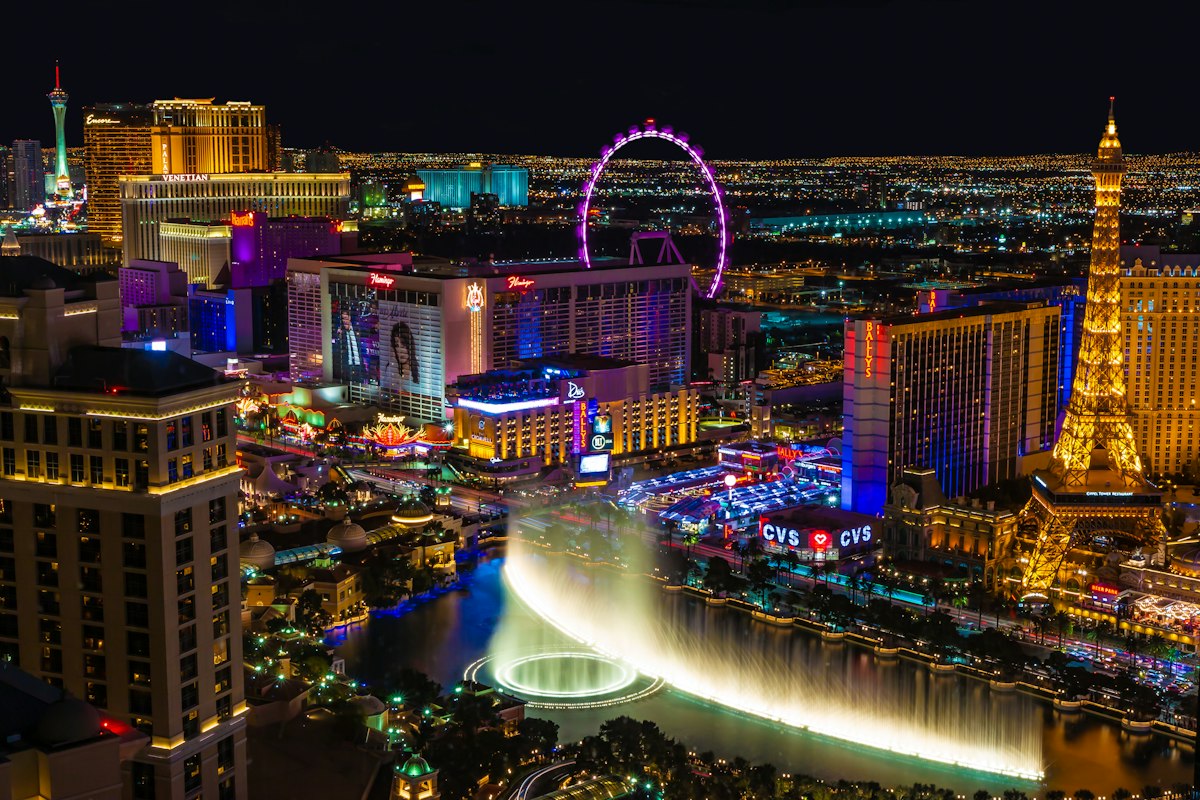
This sale matters for several reasons, and it goes beyond just another hotel being built on the Strip. The south end of Las Vegas Boulevard has been one of the most underdeveloped sections of the Strip for years. While the central and north sections of the corridor have seen billions of dollars in new construction, including the Resorts World Las Vegas, the MSG Sphere, and the ongoing A's stadium project, the south Strip has been quieter.
The Skyvue site, in particular, has been a symbol of stalled development. The concrete pillars have been standing there since 2012, visible to millions of visitors and commuters every year. They represent a promise that was never kept. For locals, those pillars became a running joke and a source of frustration. The fact that someone has finally purchased the property and announced plans for it is a significant milestone, even if the project is still far from breaking ground.
A new hotel-casino with 874 rooms would bring jobs to the area during construction and after it opens. Hotel construction projects of this size typically employ hundreds of construction workers over several years. Once open, a resort with nearly 900 rooms, restaurants, a spa, and convention space could employ over a thousand people in full-time and part-time positions. For a city that depends heavily on hospitality and tourism, that matters.
The project also signals renewed investor confidence in the south Strip. The $70 million purchase price is well below the $182 million asking price when the broader 26-acre parcel was listed in 2022. But it still represents a serious bet on the future of that corridor. If this project moves forward, it could encourage other developers to look at nearby vacant parcels and invest in the area. Development tends to breed more development, and one successful project can change the trajectory of an entire stretch of road.
The covered pedestrian plaza concept is also worth noting. If built, it would create a Fremont Street Experience-style walkable area on the south Strip. That kind of pedestrian-friendly space draws foot traffic, supports restaurants and shops, and creates an anchor that keeps visitors in the area longer. Right now, the south end of the Strip does not have that kind of walkable attraction. Adding one could change the way visitors and locals interact with that section of Las Vegas Boulevard.
For homeowners and residents in nearby communities, this kind of large-scale development can affect property values, traffic patterns, and the overall character of the neighborhood. Areas near the south Strip, including parts of the Town Square and South Las Vegas Boulevard corridor, could see rising property values if new investment flows into the area.
The Story Behind the Skyvue Site
To understand why this sale is such a big deal, you need to know the history of the site. The story goes back to 2011, when a developer named Howard Bulloch of Compass Investments announced plans for a massive project he called "London, Las Vegas." The idea was to build a 500-foot observation wheel, taller than the London Eye, along with a London-themed entertainment district featuring replicas of famous English landmarks.
Bulloch's team broke ground in 2012 and began building the two main support pillars for the observation wheel. By mid-2012, the pillars had reached about 200 feet tall. But then things fell apart. A few miles north on the Strip, Caesars Entertainment was building its own observation wheel, the High Roller, which would stand 550 feet tall when completed in 2014. The High Roller moved ahead quickly and opened to the public. The Skyvue project stalled and never recovered.
The broader "London, Las Vegas" concept was supposed to cover about 38 acres and include a roller coaster, retail, restaurants, and the observation wheel. None of it was built beyond those two pillars. Over the years, the property changed hands and was listed for sale multiple times. In 2022, a 26-acre portion of the site was listed for $182 million. It did not sell at that price. The land sat and waited.
Meanwhile, the concrete pillars became a strange landmark. They were too big to ignore and too expensive to tear down without a plan for the site. Visitors would ask what they were. Locals would shake their heads. The pillars became a symbol of the gap between the big dreams that fuel Las Vegas development and the reality that not every project crosses the finish line.
Now, with Applebaum's purchase, the site has a new owner and a new vision. Whether that vision becomes reality is the next chapter in this story.
What Happens Next
Right now, this project is in its very early stages. Eli Applebaum has bought the land and drawn up initial plans, but there is a long road between buying property and opening a hotel-casino on the Las Vegas Strip.
First, the project needs detailed architectural plans and engineering studies. A 350-foot heart-shaped tower with a full LED facade is not a simple building to design or construct. The structural engineering alone will be complicated, and the LED screen technology will need to meet local codes and regulations regarding light output, energy use, and visual impact on nearby properties and roadways.
Second, the project will need to go through Clark County's planning and zoning process. That means public hearings, environmental reviews, traffic studies, and community input. Projects of this size on the Strip typically take months or even years to work through the approval process.
Third, there is the question of financing. Building an 874-room hotel-casino with all the planned amenities will cost hundreds of millions of dollars beyond the $70 million land purchase. Applebaum will need to secure financing from lenders or investors, and in the current interest rate environment, that is not always easy. Large hospitality projects often rely on a mix of debt, equity, and sometimes public incentives to get built.
Fourth, if the project includes a casino, it will need approval from the Nevada Gaming Control Board. That is a separate regulatory process with its own timeline and requirements.
Key numbers to know: $70 million purchase price. Nearly 12 acres of land. 874 planned hotel rooms. A 350-foot heart-shaped tower. A 265-foot sky restaurant built from the existing Skyvue pillars.
There is no announced construction start date or projected opening date. Given the scope of the project and the steps required, it would likely be several years before anything is built, even under the best circumstances. Las Vegas has seen plenty of announced projects that never made it past the planning stage, so it is reasonable to watch this one with cautious optimism.
Ryan's Take
I have been watching this site for years, and I know a lot of Las Vegas residents feel the same way. Every time you drive past those Skyvue pillars on Las Vegas Boulevard, you wonder what is going to happen there. The fact that someone has finally bought the property and is talking about building something is encouraging.

That said, I always tell my clients to pay attention to the details. An announced plan is not the same as an approved plan, and an approved plan is not the same as a finished building. The Skyvue site has taught us that lesson more than once. The original observation wheel was announced with great fanfare and never got built. So while the heart-shaped hotel concept is exciting and creative, I will be watching to see whether the financing comes together and whether the project actually moves through the approval process.
For homeowners and potential buyers in the south Strip corridor, this is still worth paying attention to. If the project does move forward, it could raise property values in surrounding areas. Even the announcement of a $70 million land purchase sends a signal that investors believe in the future of that part of the Strip. That confidence can ripple outward into nearby residential areas.
I would also keep an eye on the broader pattern of south Strip development. This is not the only project being discussed for this part of Las Vegas Boulevard. If multiple projects start moving forward at the same time, it could create a real transformation in the area. And that kind of transformation creates opportunities for homeowners and buyers alike.
What You Can Do
If you own a home near the south Strip or in the surrounding neighborhoods, now is a good time to understand your home's current value. Large development projects can shift demand in nearby areas, and knowing where you stand gives you options. Whether you are thinking about selling in the next year or two, or you just want to keep track of your equity, a quick conversation can help.
If you are a buyer looking at Las Vegas, the south Strip corridor is an area to watch. Prices in neighborhoods near major development projects often start moving before the projects are finished. Getting in early, before construction starts and before values climb, can be a smart play for buyers who are willing to think a few years ahead.
Stay informed about what is happening with this project and others in the Las Vegas development pipeline. I will be covering this story as it develops, and you can always reach out to me directly with questions. Whether you want to talk about how a new hotel project affects your neighborhood, or you are curious about buying or selling in the Las Vegas market, I am here to help.
Keep an eye on the Clark County Commission agendas and the Nevada Gaming Control Board meeting schedules. When this project comes up for review, it will be discussed in public meetings. That is your chance to learn more, ask questions, and see the actual plans that are submitted.
And if you are just a fan of Las Vegas and its constant reinvention, take a drive down to the south end of the Strip and look at those Skyvue pillars one more time. They have been standing there for over a decade, waiting for their next chapter. It looks like that chapter might finally be starting.
Have questions about how this affects your home or neighborhood? Reach out to Ryan Rose or text/call 702-747-5921 anytime.
Sources
- FOX5 Las Vegas: Broker: Las Vegas developer buys old Skyvue Ferris wheel site
- Las Vegas Review-Journal: Developer buys never-finished Ferris-wheel project site on Las Vegas Strip for $70M
- SCCG Management: Abandoned Las Vegas SkyVue Site Sold For $70 Million
- Wikipedia: Skyvue
- CDC Gaming: Las Vegas' failed Ferris wheel site sells to developer who plans hotel-casino
Categories
- All Blogs (4741)
- Absentee Owner (4)
- Affordability (3)
- ALIANTE (53)
- Anthem (33)
- Ascension (50)
- Assumable Loan (1)
- Astra (50)
- BLACK MOUNTAIN (55)
- Buyers (22)
- Cadence (17)
- Calico Ridge (50)
- Canyon Fairways (50)
- CANYONS OF SUMMERLIN (55)
- CENTENNIAL HILLS (81)
- Comparisons (46)
- CROSSINGS IN SUMMERLIN (55)
- DESERT SHORES (47)
- Divorce (3)
- Downsizing (13)
- EAGLE HILLS (55)
- Empty Nester (1)
- Enterprise (1)
- EXPIRED LISTINGS (134)
- First Time Homebuyer (4)
- Green Valley (139)
- Henderson (82)
- HORIZONS EDGE (50)
- Housing Market Trends (100)
- Informative (112)
- Inspirada (58)
- Lake Las Vegas (2)
- Lakes Las Vegas (3)
- Las Vegas Real Estate (182)
- Local News (536)
- Luxury (1)
- MacDonald Highlands (88)
- MacDonald Ranch (100)
- Madeira Canyon (93)
- MESQUITE NV (103)
- MOUNTAIN TRAILS (50)
- Mountains Edge (79)
- Naked City (35)
- New Construction (131)
- North Las Vegas (24)
- Northgate (23)
- PALISADES SUMMERLIN (50)
- Probate (28)
- Providence (2)
- Quail Ridge (35)
- QUEENSRIDGE (56)
- Red Rock (1)
- RED ROCK COUNTRY CLUB (60)
- Relocating to Summerlin (207)
- Relocation (45)
- Retired (1)
- Retirement (1)
- Reverence (15)
- RHODES RANCH (64)
- Ridgebrook (40)
- Sellers (255)
- Seven Hills (83)
- Silverado Ranch (1)
- Silverstone Ranch (39)
- SKYE CANYON (100)
- SKYE CANYONE (4)
- Southern Highlands (94)
- Southwest (19)
- SPANISH TRAILS (55)
- SPRING VALLEY (70)
- Summerlin (104)
- Sun City Summerlin (3)
- The Arbors (37)
- The Cliffs (50)
- THE HILLS (55)
- THE PASEOS (55)
- The Pueblos (27)
- THE PUEBLOS OF SUMMERLIN (42)
- THE RIDGES (65)
- THE VISTAS OF SUMMERLIN (50)
- The Willows (60)
- Thoughts on Home Tour (2)
- TOURNAMENT HILLS (50)
- Veterans (3)
- WHITNEY RANCH (55)
- Workers Advantage Program (100)
Recent Posts

GET MORE INFORMATION