
Selling an Inherited Property in Las Vegas: What Heirs Need to Know
Related Articles
Losing a loved one is hard enough. Now you're dealing with their house. Maybe you live out of state. Maybe there are multiple heirs. Maybe the home needs work. It's overwhelming.
Here's how to navigate selling an inherited Las Vegas property.
First: Can You Legally Sell?
Before anything else, you need legal authority to sell. This typically requires:
Probate. If the deceased owned the property in their name alone, it likely goes through probate. Nevada probate can take 4-6 months minimum. You can't sell until the court authorizes it.
Trust administration. If the property was in a living trust, you may avoid probate. The successor trustee can sell once they've properly administered the trust.
Joint ownership. If you were already on the title (joint tenancy with right of survivorship), ownership transferred automatically. You can sell once you have the death certificate and file appropriate paperwork.
Consult a probate attorney to understand your specific situation. Don't list the property until you have legal authority to sell.
The Stepped-Up Basis Advantage
Here's good tax news: Inherited property gets a "stepped-up basis." This means your cost basis for capital gains purposes is the property's fair market value at the date of death, not what the deceased originally paid.
Example: Your parent bought the home in 1990 for $120,000. They passed away when it was worth $450,000. Your basis is $450,000. If you sell for $460,000, your taxable gain is only $10,000, not $340,000.
This is a significant tax benefit. Sell relatively soon after inheriting to minimize gains from further appreciation.
Dealing with Multiple Heirs
When siblings or other heirs share inheritance, decisions get complicated:
Everyone must agree. All owners must consent to sell. One holdout can block the sale.
Proceeds are split. Sale proceeds divide according to the will or trust terms, or equally if not specified.
Buyout option. One heir can buy out others if they want to keep the property. Get an appraisal to establish fair value.
Partition action. If heirs can't agree, a court can force a sale. This is expensive and contentious. Try to avoid it.
Communication early prevents problems later. Get everyone aligned before listing.
Preparing an Inherited Home
Inherited homes often need attention:
Clear personal belongings. This is emotionally difficult but necessary. Sort, donate, sell, or dispose of contents before showing.
Address deferred maintenance. Elderly owners often let things slide. Identify what needs fixing.
Consider selling as-is. If the home needs significant work and you're out of state, selling as-is to an investor might make sense despite the lower price.
Deep clean. Inherited homes often smell stale. Professional cleaning freshens things up.
Out-of-State Challenges
Many heirs don't live in Las Vegas. Selling from a distance requires:
A reliable local agent who communicates proactively. Someone to check on the property periodically. Service providers for cleaning, repairs, and maintenance. The ability to sign documents remotely.
Budget for travel if needed, especially for major decisions or closing.
Timing Considerations
Don't rush. Grief clouds judgment. If you can afford to wait, take time to make thoughtful decisions.
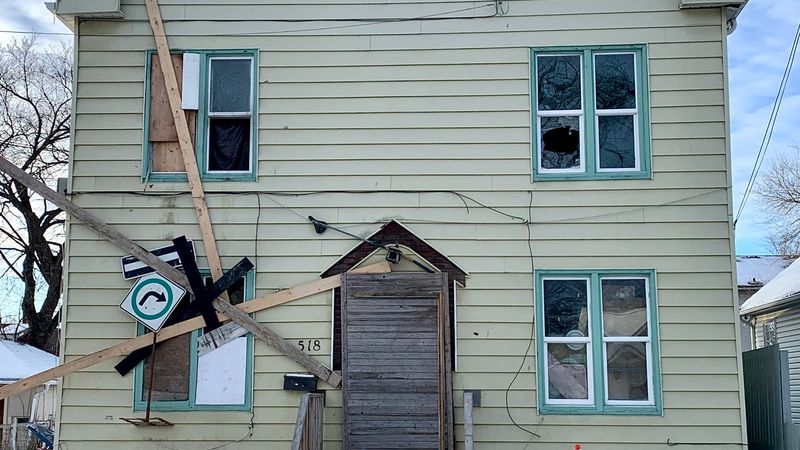
But don't delay too long. Empty homes deteriorate. Insurance becomes complicated. Property taxes and utilities add up. Vandalism and squatters are real risks.
Consider the market. In today's Las Vegas market with prices near records but 5 months of inventory, selling sooner rather than later often makes sense.
Common Inherited Property Mistakes
Listing before you have authority. Deals fall apart when sellers can't actually convey title.
Fighting with siblings. Legal battles cost more than any disagreement is worth.
Overpricing for emotional reasons. The home's sentimental value to you doesn't affect market value.
Neglecting the property. An empty, unmaintained home loses value quickly.
The Bottom Line
Selling an inherited property involves legal, tax, and emotional complexities beyond a typical sale. Get proper legal guidance, coordinate with other heirs, and work with an agent experienced in estate sales. Take care of yourself while taking care of business.
Inherited a Las Vegas property and need guidance? Let's discuss your situation and options.
Frequently Asked Questions About Selling Inherited Property in Las Vegas
Categories
- All Blogs (4337)
- Absentee Owner (4)
- Affordability (3)
- ALIANTE (53)
- Anthem (33)
- Ascension (50)
- Assumable Loan (1)
- Astra (50)
- BLACK MOUNTAIN (55)
- Buyers (22)
- Cadence (17)
- Calico Ridge (50)
- CANYONS OF SUMMERLIN (55)
- CENTENNIAL HILLS (81)
- Comparisons (46)
- CROSSINGS IN SUMMERLIN (55)
- DESERT SHORES (47)
- Divorce (3)
- Downsizing (13)
- EAGLE HILLS (55)
- Empty Nester (1)
- Enterprise (1)
- EXPIRED LISTINGS (134)
- First Time Homebuyer (4)
- Green Valley (137)
- Henderson (82)
- HORIZONS EDGE (50)
- Housing Market Trends (99)
- Informative (112)
- Inspirada (56)
- Lake Las Vegas (2)
- Lakes Las Vegas (3)
- Local News (469)
- Luxury (1)
- MacDonald Highlands (88)
- MacDonald Ranch (70)
- Madeira Canyon (91)
- MESQUITE NV (103)
- MOUNTAIN TRAILS (50)
- Mountains Edge (67)
- Naked City (35)
- New Construction (119)
- North Las Vegas (24)
- Northgate (23)
- PALISADES SUMMERLIN (50)
- Probate (28)
- Providence (2)
- Quail Ridge (35)
- QUEENSRIDGE (56)
- Red Rock (1)
- RED ROCK COUNTRY CLUB (60)
- Relocating to Summerlin (207)
- Relocation (45)
- Retired (1)
- Retirement (1)
- Reverence (1)
- RHODES RANCH (63)
- Ridgebrook (40)
- Sellers (253)
- Seven Hills (65)
- Silverado Ranch (1)
- Silverstone Ranch (39)
- SKYE CANYON (100)
- SKYE CANYONE (4)
- Southern Highlands (94)
- Southwest (19)
- SPANISH TRAILS (55)
- SPRING VALLEY (70)
- Summerlin (100)
- Sun City Summerlin (3)
- The Arbors (35)
- The Cliffs (49)
- THE HILLS (55)
- THE PASEOS (55)
- The Pueblos (27)
- THE PUEBLOS OF SUMMERLIN (42)
- THE RIDGES (65)
- THE VISTAS OF SUMMERLIN (48)
- The Willows (54)
- Thoughts on Home Tour (2)
- TOURNAMENT HILLS (50)
- Veterans (3)
- WHITNEY RANCH (52)
- Workers Advantage Program (100)
Recent Posts








GET MORE INFORMATION