
MGM Grand Buffet Closing in Las Vegas 2026 | Ryan Rose
Related Stories
Nellie's Southern Kitchen Closing at MGM Grand 2026
Maroon Restaurant Opens at Sahara Las Vegas
Las Vegas Small Businesses Hit Hard by Tourism Slump
The MGM Grand Buffet will permanently close on May 31, 2026, ending a 33-year run and leaving the Las Vegas Strip with only 7 traditional buffets, down from roughly 35 just a few decades ago. If you grew up coming to Vegas or have lived here long enough to remember when a giant buffet was part of every casino visit, this one stings.
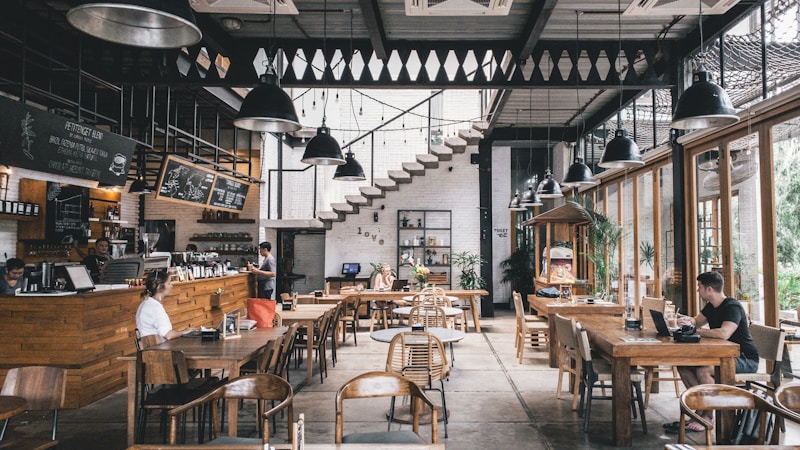
The closure is not just the loss of one restaurant. It is another chapter in the slow end of something that once defined Las Vegas dining. The all-you-can-eat buffet was not just cheap food. It was a ritual. It was the way Vegas welcomed visitors and let them feel like they were living large, even on a small budget. Now that tradition is nearly gone from the Strip, and it raises real questions about what kind of city Las Vegas is becoming and how that shift affects people who live here.
What Happened
MGM Grand opened in December 1993 as the largest hotel in the world at the time. The buffet opened right along with it. For more than three decades, the 15,000-square-foot dining room served millions of guests. It was one of the biggest buffets on the Strip, offering a wide range of food stations and the kind of sprawling, celebratory dining that became synonymous with Las Vegas hospitality.
In April 2026, MGM Resorts announced that the buffet would serve its last meal on May 31, 2026. The company did not give a detailed reason for the closure, and as of the announcement, MGM Resorts had not released any plans for what would replace the 15,000-square-foot space. That is a significant footprint to leave empty, and the casino industry will be watching to see what fills it.
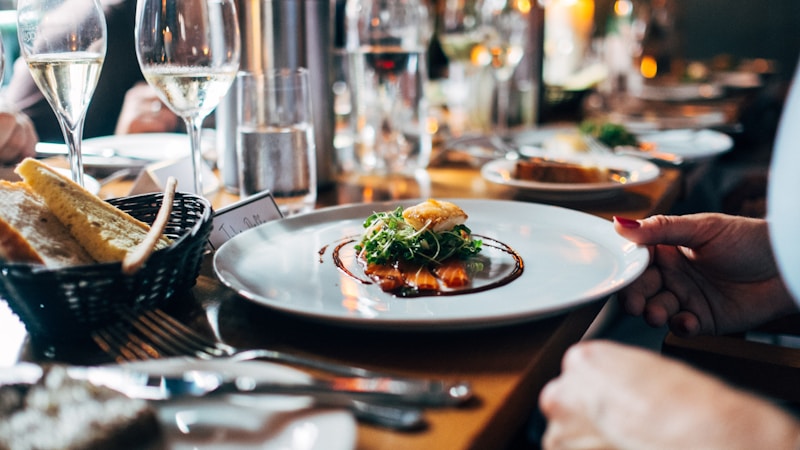
The MGM Grand Buffet was already operating in a much smaller competitive landscape than it once was. Strip buffets have been closing steadily for years. The pandemic in 2020 hit buffets especially hard, as shared serving stations became a health concern almost overnight. Many major buffets that closed during the pandemic never came back. Caesars Palace, the Bellagio, and Paris Las Vegas all had legendary buffets that shut down in 2020 and 2021 without returning. Wynn Las Vegas closed its buffet and converted the space into a nightclub. The list goes on.
What made the MGM Grand Buffet different was its longevity. It survived COVID, it survived the trend toward upscale dining, and it kept operating long after many of its peers had given up. The May 31 closing date marks the end of something that outlasted almost everything else in its category on the Strip.
After this closure, the buffets that remain on or near the Strip include Bally's, The Cosmopolitan [NOT VERIFIED for current status], The Rio, The Palms [NOT VERIFIED for current status], and a handful of others. The exact count of seven comes from casino industry reporting as of the announcement date. That number will likely continue to shrink.
Why It Matters to Las Vegas Residents
You might wonder why a buffet closing on the Strip matters to people who live in Henderson, Summerlin, or North Las Vegas. The answer is that the Strip's dining economy touches the whole valley in ways that are easy to miss until something changes.
First, there are jobs. A 15,000-square-foot buffet operation requires a large staff. Servers, cooks, dishwashers, food prep workers, managers, and more all depend on that paycheck. Many of those workers live in the surrounding neighborhoods, not in resort hotels. When a large food operation closes without a replacement announced, that represents real job losses in our community. We do not know yet how many employees will be affected or whether MGM Resorts will move them to other positions within the company. Those details have not been shared publicly as of the announcement.
Second, the shift away from buffets reflects a broader change in who Las Vegas is trying to attract and what kind of city it is becoming. For decades, Vegas was a place where working-class families could afford a big meal and feel like they were getting the full experience. The buffet was democratic. You paid one price and ate as much as you wanted. Celebrity chefs now fill those same resort spaces with tasting menus that start at $150 per person. That is not a criticism of fine dining. But it does mean that the accessible, affordable version of a Las Vegas night out is getting harder to find on the Strip.
For locals, that matters. When family comes to visit from out of town, you want to take them somewhere they will remember. The buffet was always on that list. It was easy, fun, and did not require a reservation three weeks out. As those options disappear, residents feel the loss too, even if they were not eating at the MGM Grand Buffet every week.
Third, the real estate angle is worth noting. Las Vegas is growing, and the character of the city is part of what attracts new residents and keeps long-time locals happy. Neighborhoods near the Strip have seen significant development because of the broader hospitality economy. The slow erosion of iconic experiences, including buffets that have been around for a generation, is part of a larger story about how the city is changing. For buyers and sellers thinking about property on or near the Strip corridor, these shifts in the entertainment and dining landscape are part of the picture.
Background and History
The Las Vegas buffet has roots that go back to the 1940s. El Rancho Vegas is often credited with starting the tradition around 1941, when the hotel introduced a late-night spread of food for gamblers who did not want to stop playing long enough for a sit-down meal. The "Midnight Chuck Wagon" was the original concept, and it cost one dollar. Casinos quickly realized that cheap, plentiful food kept people in the building longer, and that was good for the house.

By the 1980s, the Strip had approximately 35 buffets operating at any given time. They ranged from modest setups to enormous dining halls that could seat hundreds of people at once. The buffet became a symbol of Vegas excess and generosity. You came to Las Vegas, you ate until you could not move, you gambled a little, and you went home happy. That was the deal.
The economics of buffets were always tricky. Food costs are high, labor is high, and customers are incentivized to eat as much as possible. For a long time, casinos were willing to absorb that cost because the buffet was a loss leader. It got people in the door, and those people spent money on gambling, shows, and hotel rooms. As gambling revenue has dropped as a percentage of overall casino income, and as entertainment and dining have become profit centers in their own right, the math on buffets stopped working.
Celebrity chef restaurants became a trend in the late 1990s and 2000s. Gordon Ramsay, Wolfgang Puck, Joël Robuchon, and dozens of others opened high-end spots that charged premium prices and generated press coverage that money could not buy. Those restaurants brought a different kind of prestige and a different kind of customer. Casinos started seeing food not just as a way to keep gamblers at the table but as a destination experience in itself.
The pandemic accelerated everything. Buffets were especially vulnerable. Shared serving utensils, crowded lines, and open food stations were exactly what health officials were concerned about in 2020. Many closed within weeks of the shutdown and never reopened. The MGM Grand Buffet was among the ones that came back. Now, six years later, it is joining the group that did not survive.
What Happens Next
The immediate question is what happens to that 15,000-square-foot space inside MGM Grand. MGM Resorts has not announced a plan as of the April 2026 announcement. That is a large room in one of the most visited hotels in the country. It will not stay empty for long, but what replaces it will say something about the direction MGM Resorts is heading.
Possibilities include a food hall concept, which has become popular in urban settings and could work well in a casino environment. A food hall would bring multiple vendors under one roof without the all-you-can-eat model. It could attract local restaurant operators or regional chains looking for Strip exposure. Other options could include a specialty restaurant, additional retail, or event space, though none of these have been confirmed or even hinted at publicly.
For the broader buffet landscape, the trajectory seems clear. The remaining seven buffets on or near the Strip will each face the same math that closed the MGM Grand Buffet. Some will survive by finding the right pricing model or the right customer base. Others will eventually close. Whether Las Vegas ends up with zero traditional buffets or stabilizes at a small number is genuinely uncertain, but the direction of travel has been consistent for years.
For workers, the next few weeks will be important. If MGM Resorts handles the transition the way large hospitality employers sometimes do, they may offer affected employees opportunities at other properties. The company operates multiple resorts in Las Vegas, including Bellagio, Vdara, Aria, and others. Whether the buffet staff gets priority placement in those locations or faces layoffs is something to watch.
Local dining advocates and food writers have been tracking the buffet decline for years. Some see the remaining seven as a cultural preservation story. Others see them as a business model on its last legs. Either way, May 31, 2026, will mark a milestone in Las Vegas dining history.
Ryan's Take
This one is personal for a lot of Las Vegas residents, and I get it. The buffet was a way of experiencing Vegas that did not require a special occasion or a big budget. You could take your whole family and everyone ate well. That kind of accessible, fun dining is harder to find on the Strip with every passing year.

From a real estate perspective, I think about this as part of the larger conversation about what kind of city Las Vegas is becoming. We are growing fast. People are moving here from all over the country. The Strip is changing, and so are the neighborhoods around it. When iconic experiences disappear, it reshapes the identity of the city in ways that are hard to put a number on but very real.
If you are buying or selling a home in Las Vegas, you are not just buying a house. You are buying into a community and a lifestyle. The character of the city matters. The fact that families could drive to the Strip, enjoy a big meal, see a show, and head home without breaking the bank was part of what made Las Vegas feel accessible. That feeling is getting more expensive to access.
I am not saying do not move to Las Vegas or do not buy here. Quite the opposite. The valley is still one of the best places in the country for value, community, and quality of life. But it is worth paying attention to how the city is changing, because those changes affect what it feels like to live here day to day. The MGM Grand Buffet closing is a small piece of a much bigger story, and it is worth understanding.
What You Can Do
If you want to visit the MGM Grand Buffet one last time before it closes, you have until May 31, 2026. No reservation system has been announced, but expect lines as the closing date approaches. It is worth going if you have memories tied to that place or just want to be part of the last chapter.
If you are concerned about the workers affected by the closure, you can support local dining by choosing Strip and off-Strip restaurants that are locally operated or employ local staff. The hospitality workforce in Las Vegas is large and deeply tied to the surrounding neighborhoods. When you spend your dining dollars at locally rooted operations, it has a direct impact on families in Henderson, Summerlin, Spring Valley, and across the valley.
Keep an eye on the remaining buffets if this kind of dining matters to you. The Bally's buffet, The Rio buffet, and others are still operating as of this writing. Visiting them and spending money there sends a signal that the format still has customers. That matters to the businesses making decisions about whether to stay open.
If you are curious about how changes like this on the Strip affect home values, neighborhood character, or your decision about where to buy in the Las Vegas valley, reach out. These are real questions that real buyers and sellers are thinking about, and they deserve real answers, not just a sales pitch.
Have questions about how this affects your home or neighborhood? Reach out to Ryan Rose or text/call 702-747-5921 anytime.
Sources
Casino.org: MGM Grand to Close Buffet, Leaving Vegas Strip with 7 (April 2026)
MGM Resorts International company announcement, April 2026
Las Vegas Strip buffet history: industry reporting and hospitality trade sources
Categories
- All Blogs (4859)
- Absentee Owner (4)
- Affordability (3)
- ALIANTE (53)
- Anthem (33)
- Ascension (50)
- Assumable Loan (1)
- Astra (50)
- BLACK MOUNTAIN (55)
- Buyers (22)
- Cadence (17)
- Calico Ridge (50)
- Canyon Fairways (50)
- CANYONS OF SUMMERLIN (55)
- CENTENNIAL HILLS (81)
- Comparisons (46)
- CROSSINGS IN SUMMERLIN (55)
- DESERT SHORES (47)
- Divorce (3)
- Downsizing (13)
- EAGLE HILLS (55)
- Empty Nester (1)
- Enterprise (1)
- EXPIRED LISTINGS (134)
- First Time Homebuyer (4)
- Green Valley (139)
- Henderson (82)
- HORIZONS EDGE (50)
- Housing Market Trends (100)
- Informative (112)
- Inspirada (58)
- Lake Las Vegas (2)
- Lakes Las Vegas (3)
- Las Vegas Real Estate (182)
- Local News (654)
- Luxury (1)
- MacDonald Highlands (88)
- MacDonald Ranch (100)
- Madeira Canyon (93)
- MESQUITE NV (103)
- MOUNTAIN TRAILS (50)
- Mountains Edge (79)
- Naked City (35)
- New Construction (131)
- North Las Vegas (24)
- Northgate (23)
- PALISADES SUMMERLIN (50)
- Probate (28)
- Providence (2)
- Quail Ridge (35)
- QUEENSRIDGE (56)
- Red Rock (1)
- RED ROCK COUNTRY CLUB (60)
- Relocating to Summerlin (207)
- Relocation (45)
- Retired (1)
- Retirement (1)
- Reverence (15)
- RHODES RANCH (64)
- Ridgebrook (40)
- Sellers (255)
- Seven Hills (83)
- Silverado Ranch (1)
- Silverstone Ranch (39)
- SKYE CANYON (100)
- SKYE CANYONE (4)
- Southern Highlands (94)
- Southwest (19)
- SPANISH TRAILS (55)
- SPRING VALLEY (70)
- Summerlin (104)
- Sun City Summerlin (3)
- The Arbors (37)
- The Cliffs (50)
- THE HILLS (55)
- THE PASEOS (55)
- The Pueblos (27)
- THE PUEBLOS OF SUMMERLIN (42)
- THE RIDGES (65)
- THE VISTAS OF SUMMERLIN (50)
- The Willows (60)
- Thoughts on Home Tour (2)
- TOURNAMENT HILLS (50)
- Veterans (3)
- WHITNEY RANCH (55)
- Workers Advantage Program (100)
Recent Posts





GET MORE INFORMATION