
Heart Attack Grill Closes After 15 Years in Las Vegas | Ryan Rose
Related Stories
MGM Grand Buffet Closes Permanently After 30 Years
Nellie's Southern Kitchen Closes at MGM Grand
The Heart Attack Grill permanently closed its doors on May 18, 2026, after 15 years at Neonopolis in downtown Las Vegas. Owner Jon Basso says rising costs and a corporate casino culture that no longer welcomes middle-class visitors made it impossible to stay open.
For anyone who walked through downtown Las Vegas over the past decade and a half, the Heart Attack Grill was hard to miss. Waitresses dressed as nurses, a scale at the door, and a menu built around shameless excess made the spot one of the most recognizable novelty restaurants in the country. Now it is gone, and the story behind the closure says a lot about what Las Vegas is becoming.

Basso did not mince words when he announced the closure. "Corporate greed has priced the middle class person out of the opportunity of visiting Las Vegas," he told Fox 5 Vegas. That quote hit a nerve. Within hours, it was circulating on social media and drawing thousands of reactions from people who feel they have been squeezed out of a city that used to welcome everyone.
For homeowners and residents watching downtown Las Vegas change, this closure is more than a restaurant story. It is a signal about the direction of the local economy, the changing character of a neighborhood, and what kinds of businesses can survive in a city increasingly built around high rollers and corporate entertainment budgets.
What Happened
Jon Basso opened the Heart Attack Grill in Chandler, Arizona in 2005. It became famous, or maybe infamous, for its unapologetically over-the-top concept. The menu featured the "Bypass Burger" in multiple sizes, from Single Bypass to Octuple Bypass. The restaurant offered free meals to anyone over 350 pounds. Patrons were seated in wheelchairs. The gimmick was the point.
Basso moved the restaurant to the Neonopolis complex on Fremont Street in Las Vegas in 2011. Downtown Las Vegas was going through a reinvention at the time. Zappos founder Tony Hsieh was pouring hundreds of millions of dollars into a downtown revival called the Downtown Project. New bars, restaurants, and tech companies were moving in. The Heart Attack Grill fit the vibe: weird, bold, unapologetically Las Vegas.
Over the next 15 years, the restaurant became a genuine tourist attraction. People came from around the world to eat there, get weighed in, wear hospital gowns, and take photos. The place appeared on national television shows and in countless travel guides. It became part of the Fremont Street experience in a way that few restaurants manage.
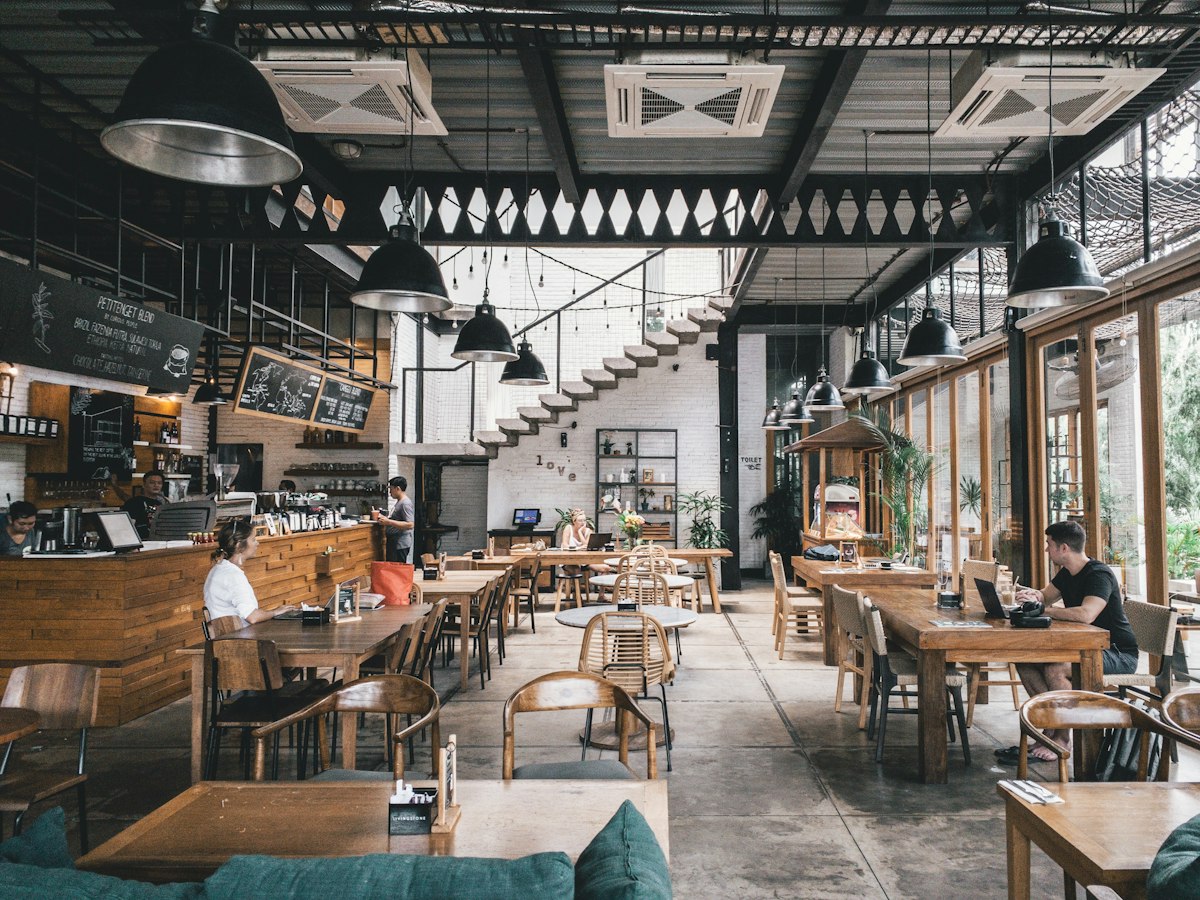
But the economics of running a restaurant in downtown Las Vegas became harder every year. Basso has been public about the pressures he faced. Rent at Neonopolis, operating costs, food costs, and the changing nature of the Fremont Street foot traffic all created strain. The customers who used to come, middle-income families and everyday tourists, were visiting less. The people filling hotel rooms and walking Fremont Street increasingly came for the big casino resorts and the higher-priced entertainment.
Basso says he drew a line. He refused to keep raising menu prices to cover his costs. He felt that doing so would betray the customers the restaurant was built for. Other restaurant owners in similar positions faced the same choice: raise prices and risk losing your core customer, or hold prices and watch your margins collapse. Basso chose to close instead.
The final day of service was May 18, 2026. Basso did not rule out reopening the Heart Attack Grill in a different city or a different format. He said the concept still has life. He just cannot make it work in the Las Vegas that exists today.
Why It Matters to Las Vegas Residents
When a novelty restaurant closes, it is easy to shrug it off as just one business making a business decision. The Heart Attack Grill closure is different. Basso is not a faceless corporate executive. He is a local business owner who has operated in downtown Las Vegas for 15 years. When he says the city has changed in ways that hurt small and mid-size businesses, that carries weight.
His comments about the middle class being priced out of Las Vegas connect to something a lot of residents already feel. Las Vegas has always been a city where you could come and have fun without spending a fortune. Cheap buffets, affordable hotel rooms, free entertainment on Fremont Street. That Las Vegas still exists in pockets, but it is shrinking. The big casino companies have figured out that wealthy visitors spend more per trip, and they have been building and pricing accordingly.

For families who live here, this shift shows up in everyday life. Restaurant prices downtown have climbed sharply. Parking fees have increased. Concert and show tickets at the big venues now routinely cost hundreds of dollars. The resort fee problem, where hotels tack on mandatory daily charges on top of the room rate, has gotten worse, not better. Local residents used to take visitors to these spots. Now many locals avoid them.
The Heart Attack Grill was one of the few places on or near Fremont Street where you could take a visitor and have a genuinely weird, genuinely fun Las Vegas experience without spending a lot of money. That option is now gone.
For homeowners in downtown Las Vegas and nearby neighborhoods, the broader trend matters for property values and neighborhood character. Downtown Las Vegas has been trying to build a residential community alongside its entertainment economy. The theory was that if you could attract restaurants, shops, and walkable amenities, people would want to live there. When those amenities close one by one, the case for downtown residential living gets weaker.
Renters and residents in areas like Arts District, 18b Arts District, and the Fremont East Entertainment District watch these closures closely. Every time a locally owned business closes and gets replaced by a chain or a pop-up experience managed by a casino company, the neighborhood feels less like a real place and more like a theme park. That changes who wants to live there and what they are willing to pay.
Background and History
Downtown Las Vegas has been through several cycles of boom and bust, and the last 15 years have been especially turbulent. When Basso moved the Heart Attack Grill to Neonopolis in 2011, the Downtown Project was in full swing. Hsieh's vision was to turn downtown Las Vegas into a collision of tech startups, artists, restaurants, and residents who would feed off each other's energy. The project spent around $350 million and attracted genuine attention.
But the Downtown Project ran into serious problems. Many of the businesses it funded failed. The tech company vision did not materialize. Hsieh himself stepped back. What remained was a handful of bars and restaurants that found their own footing, and a lot of empty storefronts. Neonopolis, the complex that housed the Heart Attack Grill, struggled to fill its space for years.
Fremont Street itself has remained a draw, largely because of the Fremont Street Experience, the covered canopy with its massive LED display. The casinos along Fremont, including Binion's, the Golden Nugget, and the Four Queens, have continued to operate and attract visitors. But the character of those visitors has shifted. The Fremont Street of 2026 attracts a younger crowd looking for cheap drinks and street performances, but it also competes with the Strip and the big resort developments for higher-spending visitors.
Small and mid-size independent restaurants have had a hard time in this environment. The Heart Attack Grill lasted 15 years, which is actually a remarkable run for any restaurant, let alone one in a novelty concept. The fact that it survived as long as it did is a testament to how well Basso built the brand. But the underlying economics were always fragile, and the post-pandemic period made them worse.
Food costs rose sharply starting in 2021 and have not fully come back down. Labor costs in Nevada have climbed. And the foot traffic patterns in downtown Las Vegas shifted as remote work, changing travel habits, and the opening of new resort districts pulled visitors in different directions.
What Happens Next
For the Heart Attack Grill specifically, Basso has left the door open on the concept. He said he may reopen elsewhere, in a market where the economics work better and where middle-class visitors still feel welcome. He has not announced a specific location or timeline.
The Neonopolis space is now vacant. Neonopolis has struggled with vacancies for years, and finding a replacement tenant will not be easy. The complex is in a good location, near the Fremont Street Experience, but it has never managed to achieve the critical mass of tenants that makes a retail or entertainment complex feel alive. The closure of the Heart Attack Grill removes one of its most recognizable draws.

Basso's comments about corporate Las Vegas are likely to continue getting attention. The debate over whether Las Vegas has become too expensive for middle-class visitors is not new, but it has gotten louder. Industry data shows that while Las Vegas visitor numbers have remained strong, spending per visitor has become increasingly concentrated among high-income travelers. The average visitor's budget has not kept up with rising costs, which means middle-income tourists are getting less for their money or choosing other destinations.
Local business advocacy groups have been pushing for policies that support independent businesses downtown. That includes conversations about rent stabilization, business assistance programs, and changes to how the city and county zone and regulate commercial space. None of those conversations have produced concrete results yet, but the Heart Attack Grill closure adds another data point to the argument that something needs to change.
The Nevada Legislature is also in session in 2026 [NOT VERIFIED], and some lawmakers have raised concerns about the concentration of economic power in a handful of large casino companies. Whether any legislative action follows remains to be seen.
Ryan's Take
From a real estate perspective, what Jon Basso said deserves serious attention. Downtown Las Vegas has been trying to build a viable residential and commercial ecosystem for more than a decade. That effort depends on having the kind of diverse, accessible businesses that make people want to live, work, and spend time in a neighborhood. Novelty restaurants, local bars, independent shops: these are the connective tissue of a real urban neighborhood.
When those businesses close because they cannot afford to operate, it is a warning sign. It means the economics of the area are tilting in a direction that favors large, well-capitalized operators and squeezes out everyone else. That is fine if you are building a resort district. It is not fine if you are trying to build a place where regular people can afford to live and where a local business owner can make a decent living.
I talk to a lot of buyers who are interested in downtown Las Vegas precisely because of its character and its walkable, independent business culture. Those buyers are paying attention to stories like this one. If the trend of independent business closures continues, it will affect how people perceive and value residential properties in the area. That has real consequences for homeowners.
Las Vegas is a city that can adapt. It has done it before. But adaptation requires honestly acknowledging the problem, and right now, too many people in the industry are dismissing concerns about affordability and corporate consolidation as just the natural way of things. It is not. It is a choice, and a different set of choices is possible.
What You Can Do
If you are a Las Vegas resident who cares about the direction of downtown and the broader local economy, there are concrete steps you can take.
First, spend your money at independent and locally owned businesses. Every dollar you spend at a local restaurant, shop, or bar instead of a chain is a vote for the kind of city you want to live in. It sounds small, but it adds up.
Second, pay attention to local elections. City council members and county commissioners make decisions about zoning, permitting, business assistance programs, and development agreements that directly affect whether small businesses can survive in Las Vegas. Showing up to vote, and showing up to public meetings, matters.
Third, if you own a home or investment property in or near downtown Las Vegas, track what is happening with commercial vacancies and business turnover. These are leading indicators of neighborhood health. A stretch of Fremont Street or Neonopolis that fills up with vacant storefronts is a signal worth taking seriously when you are thinking about property values and long-term investment.
Fourth, follow the local news. Organizations like Fox 5 Vegas, the Las Vegas Review-Journal, and the Nevada Independent cover business and economic trends in a way that national outlets do not. Staying informed helps you make better decisions about where to live, where to invest, and what to ask your elected officials to do differently.
The Heart Attack Grill is closed. But the conversation it started about who Las Vegas is for, and who gets to be part of it, is just beginning.
Have questions about how this affects your home or neighborhood? Reach out to Ryan Rose or text/call 702-747-5921 anytime.
Sources
Fox 5 Vegas: Heart Attack Grill Shuts Down in Downtown Las Vegas (May 19, 2026)
Categories
- All Blogs (4919)
- Absentee Owner (4)
- Affordability (3)
- ALIANTE (53)
- Anthem (33)
- Ascension (50)
- Assumable Loan (1)
- Astra (50)
- BLACK MOUNTAIN (55)
- Buyers (22)
- Cadence (17)
- Calico Ridge (50)
- Canyon Fairways (50)
- CANYONS OF SUMMERLIN (55)
- CENTENNIAL HILLS (81)
- Comparisons (46)
- CROSSINGS IN SUMMERLIN (55)
- DESERT SHORES (47)
- Divorce (3)
- Downsizing (13)
- EAGLE HILLS (55)
- Empty Nester (1)
- Enterprise (1)
- EXPIRED LISTINGS (134)
- First Time Homebuyer (4)
- Green Valley (139)
- Henderson (82)
- HORIZONS EDGE (50)
- Housing Market Trends (100)
- Informative (112)
- Inspirada (58)
- Lake Las Vegas (2)
- Lakes Las Vegas (3)
- Las Vegas Real Estate (182)
- Local News (714)
- Luxury (1)
- MacDonald Highlands (88)
- MacDonald Ranch (100)
- Madeira Canyon (93)
- MESQUITE NV (103)
- MOUNTAIN TRAILS (50)
- Mountains Edge (79)
- Naked City (35)
- New Construction (131)
- North Las Vegas (24)
- Northgate (23)
- PALISADES SUMMERLIN (50)
- Probate (28)
- Providence (2)
- Quail Ridge (35)
- QUEENSRIDGE (56)
- Red Rock (1)
- RED ROCK COUNTRY CLUB (60)
- Relocating to Summerlin (207)
- Relocation (45)
- Retired (1)
- Retirement (1)
- Reverence (15)
- RHODES RANCH (64)
- Ridgebrook (40)
- Sellers (255)
- Seven Hills (83)
- Silverado Ranch (1)
- Silverstone Ranch (39)
- SKYE CANYON (100)
- SKYE CANYONE (4)
- Southern Highlands (94)
- Southwest (19)
- SPANISH TRAILS (55)
- SPRING VALLEY (70)
- Summerlin (104)
- Sun City Summerlin (3)
- The Arbors (37)
- The Cliffs (50)
- THE HILLS (55)
- THE PASEOS (55)
- The Pueblos (27)
- THE PUEBLOS OF SUMMERLIN (42)
- THE RIDGES (65)
- THE VISTAS OF SUMMERLIN (50)
- The Willows (60)
- Thoughts on Home Tour (2)
- TOURNAMENT HILLS (50)
- Veterans (3)
- WHITNEY RANCH (55)
- Workers Advantage Program (100)
Recent Posts





GET MORE INFORMATION