
CCSD Closures Eyed for Westside | Ryan Rose
Related Stories
Public Schools Closing Across Nevada as Enrollment Drops
Clark County Redesigns School Zones After 356 Percent Spike in Student Crashes
New Nevada Laws Double School Zone Fines and Require Cell Phone Policies
The Clark County School District may close a number of schools in the Historic Westside and the east Las Vegas valley over the next few years. A recent school board presentation showed that most of the campuses that could close sit in these two parts of the valley, and this matters because a neighborhood school is often much more than a building. It is a gathering place, a source of local jobs, and a big part of what makes an area feel like home.
Here is the short version. CCSD is building a long-term plan called the Facilities Master Plan. The district expects to lose between 27,000 and 33,000 students over the next five years. Fewer students means some schools have more empty seats than the district can afford to keep open. So officials are studying which buildings might close, combine, or change how they are used.
The maps shown to the board pointed most often to the Historic Westside and the east valley. Officials say the majority of any closures would be elementary schools, not high schools. A list of recommendations is set to go to the elected trustees in the fall. Any real changes would then roll out slowly, over about a five-year window.
If you own a home, rent, or are raising kids in one of these neighborhoods, this news is worth your attention. Below, we break down what happened, why it matters for Las Vegas residents, and what you can do about it. We will stick to the facts, keep it calm, and skip the fear.
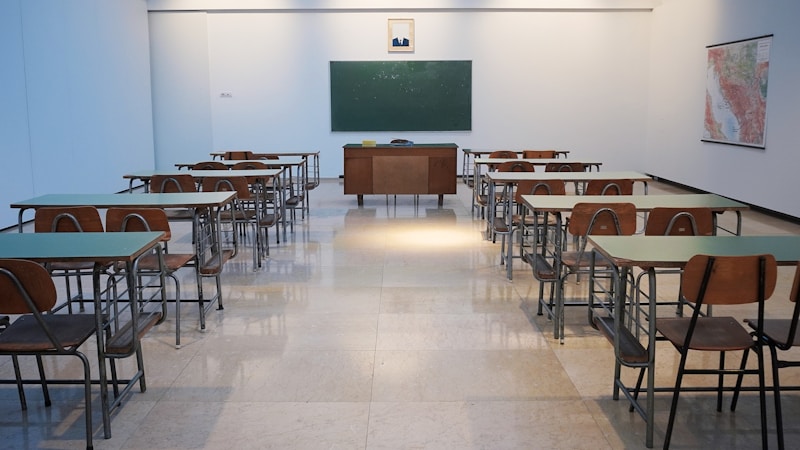
What Happened
CCSD is one of the largest school districts in the country. Right now it is working on a plan for all of its buildings. This plan is called the Facilities Master Plan. It looks at every school the district owns. It asks a simple question. Does the district have the right buildings, in the right places, for the number of students it serves today?
The answer, in many neighborhoods, is no. The district is shrinking. CCSD expects to lose 27,000 to 33,000 students over the next five years. That is a large drop. When a school built for 700 kids only has 300 kids inside, it costs a lot to keep the lights on, the roof fixed, and the staff paid. That money could go into classrooms instead.
To study the problem, district staff put together a presentation for the school board. The presentation included maps. Those maps showed where the schools with the most empty seats are located. The maps pointed most often to two areas. One is the Historic Westside, a neighborhood just northwest of downtown Las Vegas. The other is the east Las Vegas valley.
Officials shared a few key points. First, most of the schools that could be affected are elementary schools. High schools are less likely to close under the current thinking. Second, nothing is final yet. The presentation was a study, not a decision. Third, a list of specific recommendations is expected to go to the trustees in the fall. The trustees are the elected board members who make the final call.
The district has not released a public list naming every campus that could close. [NOT VERIFIED which exact schools are on any draft list.] That is an important thing to understand. Right now the conversation is about areas and general direction, not a final set of names. Families should be careful about rumors until the district shares official information.
Officials also stressed the timeline. Even after the trustees see the recommendations, changes would not happen all at once. The plan covers roughly five years. Some schools could close. Some could be rebuilt. Some could be combined with a nearby school. Some buildings could be used for new purposes. The exact mix would be decided step by step.
In short, CCSD is facing a math problem. It has more school space than it has students to fill. The Historic Westside and the east valley show up as the areas with the most extra room. That is why they sit at the center of this discussion.

Why It Matters to Las Vegas Residents
A school is not just a place where kids learn. It is one of the anchors of a neighborhood. When a school closes, the effects reach far beyond the classroom. That is why this story matters to so many people in the valley, even those who do not have children in school.
Start with families. If a nearby elementary school closes, kids may have to travel farther to a new school. That can mean longer bus rides or longer drives. It can break up friend groups. It can pull kids away from teachers they know and trust. For working parents, a longer school route can make each morning harder and each afternoon tighter.
Now think about the neighborhood itself. A local school gives an area part of its identity. Parents meet each other at drop-off. Neighbors go to school plays, sports games, and fairs. The building is often used for voting, community meetings, and events. When the school leaves, some of that daily life leaves with it. An empty building can also sit unused for a long time, which no one wants next door.
Home values are part of this too. Many buyers, especially young families, look closely at nearby schools when they choose where to live. A strong, well-liked neighborhood school can be a selling point. If a school closes, some buyers may pause, at least at first. The effect on prices is not simple and depends on many things. Still, it is fair to say that school stability is one piece of what makes an area attractive to buyers.
There is also a money side for the district. In Nevada, much of a school's funding follows the student. When enrollment drops, the dollars drop with it. That can leave the district paying to heat, cool, and staff buildings that are far from full. Closing or combining some schools is one way officials hope to protect the money that reaches classrooms and teachers. It is a hard trade to make, but it is the reason these talks are happening now.
There is also a fairness question here, and it is a real one. The Historic Westside is one of the oldest neighborhoods in Las Vegas. For much of the city's history, Black families were pushed to live there, and the area did not always get the same investment as other parts of town. Losing a long-standing school in a place like that feels different than losing one in a newer suburb. Residents there worry about losing an anchor that has served the community for generations. The district has said it hears these equity concerns as it plans.
It is worth being clear and calm about this. Declining enrollment is the main force behind these talks, not a single neighborhood being singled out unfairly. The buildings in question simply have the most empty seats. Even so, when the impact could land hardest on communities that have already faced less investment, people are right to ask questions and to expect a fair, open process.
Background and History
To understand today's talks, it helps to look back. CCSD grew very fast for many years. Las Vegas was one of the fastest growing cities in the country. New families arrived every week. The district built school after school to keep up. Enrollment reached a peak of about 320,000 students in the 2018 to 2019 school year.
Then the trend changed. Enrollment began to fall. Today the district serves around 280,000 students. That is a drop of roughly 40,000 students from the peak. Several things are behind the decline. Families are having fewer children. Housing costs have pushed some families out of the valley. More parents are choosing charter schools, private schools, or homeschooling. The result is fewer students in traditional public schools.
At the same time, the district's buildings are getting older. Many schools were built decades ago. Older buildings cost more to repair and update. CCSD faces a facilities funding gap measured in the billions of dollars. In plain terms, the district does not have enough money to fix and modernize every building it owns while also running half-empty schools.
This is not only a Las Vegas story. School districts across Nevada, and across the country, are facing the same squeeze. As enrollment falls, districts everywhere are studying which schools to close, rebuild, or combine. CCSD has already taken small steps in this direction, including closing a tiny rural school that had almost no students left.
The Facilities Master Plan is the district's attempt to plan for all of this in an organized way, instead of making choices one at a time. The goal, officials say, is to match the number and location of buildings to where students actually live now. That sounds simple on paper. In real neighborhoods, with real history and real memories tied to each school, it is anything but simple.

What Happens Next
The next big step comes in the fall. That is when district staff plan to bring a list of recommendations to the elected trustees. This list is expected to be more specific than the maps shown so far. It may name schools or offer clear options for the board to weigh. [NOT VERIFIED exactly which schools will appear on that list or the precise meeting date.]
After the trustees receive the recommendations, they are not required to vote right away. Big decisions like these usually involve public meetings, community input, and time for debate. Parents, teachers, and neighbors will likely have chances to speak. School boards often hold town halls or public comment sessions before a final vote on something this large.
Families can also ask the district direct questions along the way. CCSD has staff who handle community concerns, and each board member represents a specific area within the county. Reaching the trustee for your part of town is often the most direct way to be heard before any vote takes place.
If the board approves any closures, the changes would still unfold slowly. The plan covers roughly a five-year period. That means a school named this year might not actually close for a while. The district would need time to redraw attendance zones, plan bus routes, and help families move to new schools. Staff and teachers would need time to find new assignments as well.
It is also possible that the final plan looks different from early ideas. Community feedback can change outcomes. A school first flagged for closure might be saved, rebuilt, or merged instead. Nothing is set in stone until the trustees vote, and even then plans can shift over a five-year window.
For now, the smart move is to watch for official updates from CCSD. The district's website and board meeting agendas are the best places for facts. Local news outlets will also cover major steps. Be careful with social media rumors, which often move faster than the truth. If you hear that a specific school is closing, check whether the district has actually said so before you act on it.
Ryan's Take
I sell homes across the Las Vegas valley, and schools come up in almost every conversation with buyers who have kids. So I have been watching this story closely. Here is my honest read.
First, do not panic. This is a planning process, not a done deal. No specific school in your neighborhood is closing tomorrow. The district is looking at a five-year window, and a lot can change along the way. Fear helps no one, and it can push people into rushed choices they later regret.
Second, this is a real trend, and it is smart to pay attention. Enrollment is falling, and the district has more buildings than it needs. That math is not going away. If you own a home in the Historic Westside or the east valley, it is worth knowing which school serves your area and following the district's updates.
Third, I care about the fairness piece. The Historic Westside has deep roots and a proud history. A school there is not just a building. It is part of the community's story. I hope the district listens hard to those residents and keeps the process open and honest.
For buyers and sellers, my advice is steady. A single school decision rarely makes or breaks a neighborhood on its own. Location, home quality, and the overall community matter more. If you are worried about how this could affect your home, let us talk through your specific street and situation. Facts beat rumors every time.

What You Can Do
You are not powerless in this process. Here are simple steps you can take right now.
First, find out which school serves your home. Look up your address on the CCSD website to see your zoned schools. Knowing this makes every update easier to follow.
Second, follow official sources. Watch the CCSD website and the school board meeting agendas. These will carry the real recommendations when they arrive in the fall. Skip the rumor mill on social media.
Third, show up and speak. School board meetings usually allow public comment. If you care about a school, attend a meeting or send an email to your trustee. Elected board members pay attention when many residents reach out. Your voice counts most before a vote, not after.
Fourth, connect with your neighbors. Talk with your local parent groups, your HOA, or your neighborhood association. When a community speaks together, it carries more weight. You can share updates and plan how to respond as a group.
Fifth, keep records of what you learn. Note the dates of meetings and the names of the schools in the discussion. Good notes help you separate facts from rumors as the plan moves forward.
Finally, if you are thinking about buying or selling in the Historic Westside or the east valley, get real information before you decide. Do not let fear or gossip drive a major move. A calm, informed plan will always serve you better than a rushed reaction.
Have questions about how this affects your home or neighborhood? Reach out to Ryan Rose or text/call 702-747-5921 anytime.
Sources
Categories
- All Blogs (4919)
- Absentee Owner (4)
- Affordability (3)
- ALIANTE (53)
- Anthem (33)
- Ascension (50)
- Assumable Loan (1)
- Astra (50)
- BLACK MOUNTAIN (55)
- Buyers (22)
- Cadence (17)
- Calico Ridge (50)
- Canyon Fairways (50)
- CANYONS OF SUMMERLIN (55)
- CENTENNIAL HILLS (81)
- Comparisons (46)
- CROSSINGS IN SUMMERLIN (55)
- DESERT SHORES (47)
- Divorce (3)
- Downsizing (13)
- EAGLE HILLS (55)
- Empty Nester (1)
- Enterprise (1)
- EXPIRED LISTINGS (134)
- First Time Homebuyer (4)
- Green Valley (139)
- Henderson (82)
- HORIZONS EDGE (50)
- Housing Market Trends (100)
- Informative (112)
- Inspirada (58)
- Lake Las Vegas (2)
- Lakes Las Vegas (3)
- Las Vegas Real Estate (182)
- Local News (714)
- Luxury (1)
- MacDonald Highlands (88)
- MacDonald Ranch (100)
- Madeira Canyon (93)
- MESQUITE NV (103)
- MOUNTAIN TRAILS (50)
- Mountains Edge (79)
- Naked City (35)
- New Construction (131)
- North Las Vegas (24)
- Northgate (23)
- PALISADES SUMMERLIN (50)
- Probate (28)
- Providence (2)
- Quail Ridge (35)
- QUEENSRIDGE (56)
- Red Rock (1)
- RED ROCK COUNTRY CLUB (60)
- Relocating to Summerlin (207)
- Relocation (45)
- Retired (1)
- Retirement (1)
- Reverence (15)
- RHODES RANCH (64)
- Ridgebrook (40)
- Sellers (255)
- Seven Hills (83)
- Silverado Ranch (1)
- Silverstone Ranch (39)
- SKYE CANYON (100)
- SKYE CANYONE (4)
- Southern Highlands (94)
- Southwest (19)
- SPANISH TRAILS (55)
- SPRING VALLEY (70)
- Summerlin (104)
- Sun City Summerlin (3)
- The Arbors (37)
- The Cliffs (50)
- THE HILLS (55)
- THE PASEOS (55)
- The Pueblos (27)
- THE PUEBLOS OF SUMMERLIN (42)
- THE RIDGES (65)
- THE VISTAS OF SUMMERLIN (50)
- The Willows (60)
- Thoughts on Home Tour (2)
- TOURNAMENT HILLS (50)
- Veterans (3)
- WHITNEY RANCH (55)
- Workers Advantage Program (100)
Recent Posts





GET MORE INFORMATION